


Composite materials have transformed the way industries approach product development, engineering, and manufacturing. From aerospace and transportation to construction and electronics, advanced composites provide the ideal combination of strength, durability, and lightweight performance. At the heart of many high-performance composite structures lies an essential reinforcement material: Q Glass Fiber Yarn.
Known for its exceptional mechanical properties, dimensional stability, and compatibility with modern resin systems, Q Glass Fiber Yarn plays a critical role in today’s composite material design. As industries continue to pursue stronger, lighter, and more sustainable solutions, the importance of advanced glass fiber technologies continues to grow.
Understanding Q Glass Fiber Yarn
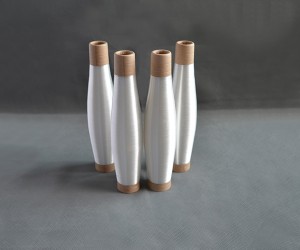
Q Glass Fiber Yarn is a specialized type of glass fiber reinforcement produced through a controlled manufacturing process. Fine glass filaments are drawn from molten glass and assembled into continuous yarns that can be woven, knitted, braided, or directly incorporated into composite structures.
The yarn is engineered to deliver consistent performance across demanding applications. Its uniform filament distribution, high tensile strength, and excellent processability make it a preferred reinforcement material in a variety of advanced manufacturing environments.
Unlike traditional reinforcement materials, Q Glass Fiber Yarn offers a unique balance between mechanical performance and cost efficiency, making it suitable for both industrial-scale production and specialized engineering projects.
Why Composite Material Design Depends on Advanced Reinforcements
Modern composite materials rely on the interaction between reinforcement fibers and matrix materials. While the resin provides shape and environmental protection, the reinforcement carries the majority of structural loads.
The performance of a composite system is therefore heavily influenced by the quality of the reinforcing fiber. Q Glass Fiber Yarn contributes significantly to key material characteristics including:
High tensile strength
Improved stiffness
Enhanced impact resistance
Dimensional stability
Long-term durability
Corrosion resistance
Because of these advantages, engineers increasingly incorporate advanced glass fiber yarns into composite structures that must withstand demanding operating conditions.
Strength-to-Weight Advantages in Composite Engineering
One of the most important objectives in composite material design is reducing weight while maintaining structural integrity.
Q Glass Fiber Yarn helps manufacturers achieve this goal by providing high strength with relatively low material density. This strength-to-weight advantage allows engineers to design components that are lighter without sacrificing performance.
In transportation industries, lighter components can improve fuel efficiency and operational performance. In construction, reduced material weight simplifies installation while maintaining structural reliability. In industrial equipment, lighter composite parts can improve handling and reduce energy consumption.
The ability to combine lightweight construction with exceptional strength continues to drive the adoption of glass fiber-reinforced composites worldwide.
Excellent Compatibility with Resin Systems
Successful composite manufacturing requires strong bonding between reinforcement fibers and matrix materials.
Q Glass Fiber Yarn demonstrates excellent compatibility with a wide range of resin systems, including polyester, vinyl ester, epoxy, and other advanced composite matrices.
This compatibility allows manufacturers to optimize composite formulations for specific performance requirements. Strong fiber-to-resin adhesion improves load transfer efficiency and enhances the overall mechanical performance of the finished component.
As composite technologies evolve, fiber compatibility remains a critical factor in achieving reliable and repeatable manufacturing results.
Thermal Stability for Demanding Applications
Many modern engineering applications require materials capable of maintaining performance under varying temperature conditions.
Q Glass Fiber Yarn offers excellent thermal stability, helping composite structures retain their mechanical properties across a broad operating range.
This characteristic is particularly valuable in applications where materials are exposed to temperature fluctuations, sunlight, industrial heat sources, or outdoor environments.
Improved thermal performance contributes to longer service life, reduced maintenance requirements, and greater reliability in critical applications.
Corrosion Resistance and Environmental Durability
Environmental exposure presents significant challenges for many structural materials.
Moisture, chemicals, saltwater, ultraviolet radiation, and pollutants can gradually degrade conventional materials over time. Composite materials reinforced with Q Glass Fiber Yarn offer outstanding resistance to many of these environmental factors.
Corrosion resistance is especially important in marine, infrastructure, transportation, and industrial applications where long-term durability directly impacts operational costs and performance.
The ability to maintain structural integrity in harsh environments makes glass fiber composites an increasingly attractive solution for modern engineering projects.
Design Flexibility for Innovative Products
One of the major advantages of composite materials is the design freedom they provide.
Q Glass Fiber Yarn can be incorporated into a variety of reinforcement architectures, including woven fabrics, multiaxial fabrics, braided structures, and customized composite forms.
This flexibility allows engineers to tailor material performance according to specific load paths and design objectives.
Complex geometries that would be difficult or expensive to manufacture using traditional materials can often be produced efficiently using glass fiber composite technologies.
As product designs become increasingly sophisticated, versatile reinforcement materials play an essential role in enabling innovation.
Applications Across Multiple Industries
The versatility of Q Glass Fiber Yarn supports its use across a broad range of industries.
In transportation, it contributes to lightweight vehicle components and structural assemblies.
In renewable energy, it reinforces wind turbine blades and supporting structures.
In marine applications, it enhances boat hulls, decks, and corrosion-resistant components.
In construction, it strengthens panels, architectural elements, and infrastructure systems.
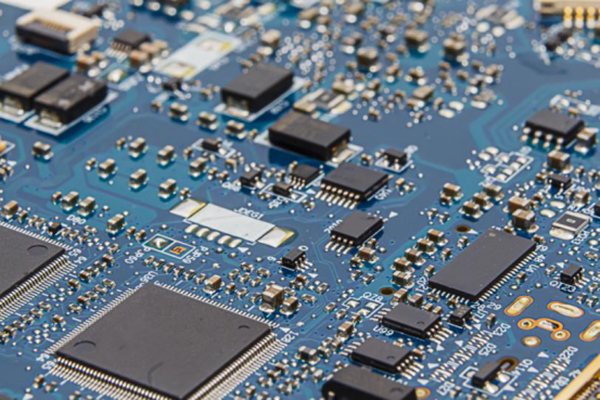
In electronics, it provides reinforcement for insulation materials and specialized components.
This wide range of applications demonstrates the adaptability and value of advanced glass fiber reinforcements in modern manufacturing.
Supporting Sustainable Manufacturing Goals
Sustainability has become a major focus across global industries.
Manufacturers are seeking materials that improve energy efficiency, extend product lifespan, and reduce resource consumption.
Q Glass Fiber Yarn supports these objectives by enabling lightweight composite designs that require fewer raw materials while maintaining high performance standards.
Long-lasting composite structures also reduce replacement frequency, contributing to lower lifecycle environmental impacts.
As sustainability continues to influence engineering decisions, advanced reinforcement materials will remain central to future product development strategies.
Future Trends in Composite Material Innovation
The future of composite material design is expected to focus on greater performance, smarter manufacturing processes, and improved sustainability.
Advanced fiber technologies such as Q Glass Fiber Yarn will continue to play an important role in achieving these goals.
Innovations in automated manufacturing, digital design optimization, and next-generation resin systems will further expand the possibilities of glass fiber composites.
As industries seek stronger, lighter, and more efficient materials, demand for high-quality reinforcement yarns is likely to increase significantly.
Q Glass Fiber Yarn has become an essential component in modern composite material design. Its combination of high strength, lightweight characteristics, thermal stability, corrosion resistance, and manufacturing versatility makes it a valuable reinforcement solution across numerous industries.
As engineering challenges continue to evolve, advanced composite materials reinforced with Q Glass Fiber Yarn will help manufacturers create innovative products that meet increasingly demanding performance requirements.
By supporting durability, efficiency, sustainability, and design flexibility, Q Glass Fiber Yarn is positioned to remain a key material in the future of composite technology.
Jun-03-2026