


Industrial insulation materials play a critical role in modern manufacturing, energy production, transportation, and high-temperature processing industries. As industries continue to demand materials that can withstand extreme environments while maintaining excellent thermal and mechanical performance, Q Glass Fiber Yarn has become an increasingly important solution.
Q Glass Fiber Yarn is a high-performance inorganic fiber material known for its excellent heat resistance, dimensional stability, electrical insulation properties, and mechanical strength. These characteristics make it an ideal reinforcement and insulation component in a wide range of industrial applications. From thermal insulation blankets and fire-resistant fabrics to electrical insulation systems and composite materials, Q Glass Fiber Yarn contributes significantly to safety, efficiency, and durability.
This article explores the properties, advantages, applications, and future potential of Q Glass Fiber Yarn used in industrial insulation materials.
What Is Q Glass Fiber Yarn?
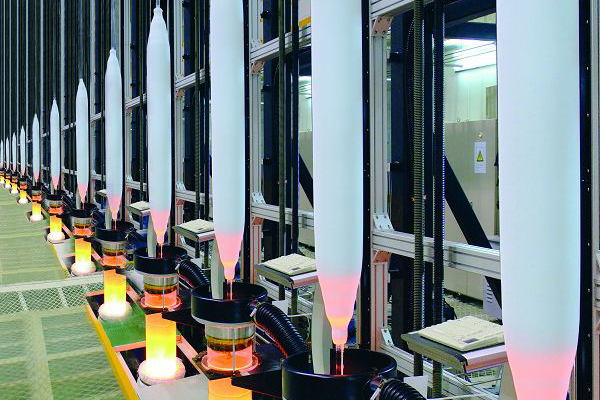
Q Glass Fiber Yarn is manufactured from specially formulated glass compositions that provide superior performance under demanding industrial conditions. The fibers are produced through a precise melting and drawing process, resulting in continuous filaments with consistent diameter, high purity, and excellent structural integrity.
Compared with conventional industrial fibers, Q Glass Fiber Yarn offers enhanced resistance to heat, corrosion, and electrical conductivity. These advantages allow it to maintain performance even in environments where temperatures fluctuate dramatically or where exposure to chemicals and moisture is common.
The yarn can be woven, braided, knitted, or incorporated into composite structures, making it highly versatile for insulation manufacturing.
Key Properties of Q Glass Fiber Yarn
The popularity of Q Glass Fiber Yarn in industrial insulation materials stems from its unique combination of physical and chemical properties.
High Temperature Resistance
One of the most valuable characteristics of Q Glass Fiber Yarn is its ability to withstand elevated temperatures. Industrial facilities often operate under conditions where conventional materials may degrade or fail.
Q Glass Fiber Yarn maintains structural stability at high temperatures, making it suitable for thermal insulation products used in furnaces, boilers, pipelines, power generation equipment, and industrial processing systems.
Excellent Thermal Insulation Performance
The low thermal conductivity of glass fibers helps reduce heat transfer between surfaces. This property contributes to improved energy efficiency and temperature control in industrial systems.
By incorporating Q Glass Fiber Yarn into insulation products, manufacturers can create materials that effectively minimize heat loss and support energy-saving initiatives.
Superior Electrical Insulation
Electrical insulation is essential in many industrial applications. Q Glass Fiber Yarn exhibits excellent dielectric properties, making it suitable for electrical insulation tapes, cable wraps, transformer insulation, motor components, and electronic equipment.
Its ability to resist electrical current while maintaining mechanical stability enhances safety and reliability.
High Mechanical Strength
Industrial insulation materials must often withstand physical stress, vibration, and mechanical loads. Q Glass Fiber Yarn provides impressive tensile strength and dimensional stability, ensuring long-term performance even in demanding environments.
This strength allows insulation products to maintain their shape and effectiveness throughout their service life.
Chemical Resistance
Industrial environments frequently expose materials to oils, solvents, acids, and other corrosive substances. Q Glass Fiber Yarn demonstrates excellent resistance to many chemicals, helping extend product lifespan and reduce maintenance requirements.
Applications in Industrial Insulation Materials
Q Glass Fiber Yarn is widely used across numerous industrial sectors because of its versatility and performance advantages.
Thermal Insulation Blankets
Thermal insulation blankets are commonly used to cover industrial equipment, pipes, turbines, and heat-processing systems. Q Glass Fiber Yarn serves as a reinforcement material that improves strength, flexibility, and temperature resistance.
The resulting insulation blankets provide effective thermal protection while remaining lightweight and easy to install.
Fire Resistant Fabrics
Fire safety is a critical concern in industrial operations. Fabrics manufactured with Q Glass Fiber Yarn can withstand high temperatures and help slow flame spread during fire exposure.
These fabrics are often used in welding curtains, fire barriers, protective clothing, heat shields, and emergency safety systems.
Industrial Pipe Insulation
Industrial pipelines transport steam, hot liquids, gases, and chemicals across manufacturing facilities and energy plants. Effective insulation helps maintain process temperatures while improving energy efficiency.
Q Glass Fiber Yarn reinforces insulation wraps and jackets that protect pipelines from heat loss and environmental damage.
Electrical Insulation Products
Electrical systems require reliable insulation materials capable of performing under thermal and electrical stress.
Q Glass Fiber Yarn is frequently used in:
- Electrical tapes
- Cable insulation
- Motor winding insulation
- Transformer insulation
- Electrical laminates
Its dielectric performance and durability make it a preferred choice for many industrial electrical applications.
Composite Insulation Panels
Advanced industrial facilities increasingly utilize composite insulation materials to achieve lightweight construction and improved thermal performance.
Q Glass Fiber Yarn acts as a reinforcement component within composite panels, helping enhance structural strength while maintaining insulation effectiveness.
Advantages for Industrial Manufacturers
Manufacturers continue to adopt Q Glass Fiber Yarn because it offers numerous operational and economic benefits.
Improved Energy Efficiency
Reducing heat loss is a major objective in industrial insulation. Materials reinforced with Q Glass Fiber Yarn help maintain process temperatures and reduce energy consumption.
Improved insulation efficiency can contribute to lower operating costs and support sustainability goals.
Extended Equipment Protection
Insulation systems not only conserve energy but also protect valuable equipment from excessive heat exposure.
Q Glass Fiber Yarn helps create durable insulation products that shield machinery and infrastructure, potentially extending service life and reducing downtime.
Enhanced Workplace Safety
Workers operating near high-temperature equipment require effective thermal protection. Insulation materials containing Q Glass Fiber Yarn help reduce surface temperatures and minimize burn risks.
In addition, fire-resistant products contribute to safer industrial environments.
Long Service Life
Durability is a critical consideration for industrial applications. The mechanical strength, chemical resistance, and thermal stability of Q Glass Fiber Yarn allow insulation products to perform reliably over extended periods.
This longevity reduces replacement frequency and maintenance costs.
Environmental and Sustainability Benefits
As industries prioritize sustainability, insulation materials play a growing role in energy conservation and emissions reduction.
Q Glass Fiber Yarn supports environmental objectives by enabling the production of insulation products that improve thermal efficiency and reduce energy waste.
Long-lasting insulation materials also contribute to resource conservation by decreasing the need for frequent replacement.
Manufacturers seeking environmentally responsible solutions increasingly recognize the value of high-performance glass fiber materials.
Future Trends in Industrial Insulation
The industrial insulation market continues to evolve as technology advances and performance requirements become more demanding.
Several trends are expected to increase demand for Q Glass Fiber Yarn:
- Expansion of renewable energy facilities
- Growth of electric vehicle manufacturing
- Increased industrial automation
- Stricter energy efficiency regulations
- Development of advanced composite insulation systems
As industries seek materials capable of supporting higher operating temperatures and greater efficiency, Q Glass Fiber Yarn is positioned to play an even more significant role in insulation technology.
Q Glass Fiber Yarn has established itself as an essential material in modern industrial insulation applications. Its combination of high temperature resistance, thermal insulation performance, electrical insulation properties, mechanical strength, and chemical durability makes it highly suitable for demanding industrial environments.
From thermal blankets and fire-resistant fabrics to electrical insulation systems and composite panels, Q Glass Fiber Yarn supports safer operations, improved energy efficiency, and long-term reliability. As industrial sectors continue to pursue higher performance and sustainability, the importance of Q Glass Fiber Yarn in insulation materials is expected to grow significantly in the years ahead.
Jun-01-2026