


For factories working with high-temperature applications, insulation systems, industrial filtration, aerospace components, electronics manufacturing, and advanced material processing, selecting the right quartz fabric is an important step that directly affects product performance and production stability.
Quartz fabric with a thickness of 0.02mm is known for its ultra-thin structure, high silica content, heat resistance, and excellent electrical insulation characteristics. Because of its lightweight and flexible properties, it is often used in applications where traditional thicker materials may not provide the required precision, adaptability, or processing convenience.
However, purchasing ultra-thin quartz fabric is not simply about choosing a specific thickness. Factories need to evaluate several technical factors, including material purity, weaving quality, surface consistency, mechanical performance, and supplier manufacturing capability.
For engineers and purchasing teams, understanding these factors can help avoid material selection issues and ensure the quartz fabric meets the requirements of real production environments.
Why Material Purity Matters in 0.02mm Quartz Fabric
Purity is one of the most important considerations when selecting quartz fabric. Since quartz materials are often used in high-temperature and sensitive industrial applications, the chemical composition of the fabric can directly influence performance.
High-purity quartz fabric provides better thermal stability and can maintain reliable performance under demanding temperature conditions. It is commonly required in industries where material contamination or performance changes may affect final product quality.
For factories, purity requirements depend on the specific application. Some production environments require extremely stable materials for insulation, protective layers, or precision manufacturing processes. In these cases, suppliers should provide clear material information and quality documentation.
When evaluating quartz fabric, buyers should pay attention to silica content, impurity control, and production consistency. A stable manufacturing process helps ensure that every batch performs similarly during industrial use.
SHENJIU provides quartz fabric solutions for customers requiring reliable high-temperature materials. Through controlled production processes and attention to material quality, SHENJIU supports industrial users seeking stable quartz fabric performance for different applications.
Weaving Standards Influence Fabric Performance and Processing
Although quartz fiber is the foundation of quartz fabric, weaving technology determines how the material performs during practical use.
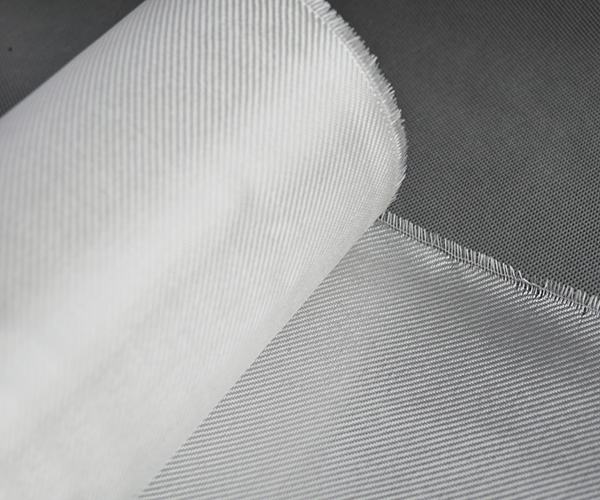
A well-produced 0.02mm quartz fabric should have consistent weaving density, uniform fiber distribution, and a stable surface structure. These characteristics influence strength, flexibility, handling performance, and ease of processing.
For factories, weaving quality is especially important during cutting, layering, molding, and installation processes. Uneven structures may create difficulties during production, while consistent weaving helps improve processing efficiency.
Different applications may require different weaving structures. Some projects need better flexibility, while others require stronger dimensional stability. Therefore, buyers should communicate their application requirements clearly with suppliers before purchasing.
A professional quartz fabric manufacturer can recommend suitable weaving specifications based on temperature conditions, mechanical requirements, and processing methods.
Key Application Areas of 0.02mm Quartz Fabric
Ultra-thin quartz fabric is used in various industries because of its combination of heat resistance, insulation ability, and lightweight structure.
In electronics manufacturing, quartz fabric can be used in applications requiring stable insulation and protection against high temperatures. Its electrical characteristics make it suitable for specialized industrial environments.
In aerospace and advanced manufacturing, lightweight high-performance materials are important for improving efficiency and reliability. Thin quartz fabric can provide thermal protection while maintaining flexibility.
In industrial equipment, quartz fabric may be used as a protective layer, insulation material, or component reinforcement material. Its ability to withstand high temperatures makes it valuable in environments where conventional materials may not provide sufficient performance.
For factories, choosing the correct quartz fabric specification helps improve production reliability and reduce unnecessary material adjustments during manufacturing.
How Factories Should Evaluate Quartz Fabric Suppliers
Choosing a quartz fabric supplier requires more than comparing product specifications. Factories should evaluate whether the supplier has stable manufacturing capability and technical support.
First, buyers should check whether the supplier can provide detailed material information, including thickness accuracy, purity level, and product specifications.
Second, production consistency is important. Industrial customers often require repeated orders, so stable quality between batches is essential for continuous production.
Third, communication and customization ability should be considered. Different industries may have unique requirements regarding weaving structure, size, packaging, and application conditions.
Working with an experienced manufacturer can help factories receive more suitable material solutions. SHENJIU focuses on quartz material production and provides quartz fabric products designed for industrial applications requiring precision, stability, and reliable performance.
Practical Buying Tips for 0.02mm Quartz Fabric
Before placing a large order, factories should consider several practical steps.
Start by confirming the actual application requirements. Understanding operating temperature, mechanical stress, insulation needs, and processing methods can help determine whether the selected quartz fabric is suitable.
Request technical information and samples when necessary. Testing material performance in real production conditions provides valuable feedback before full-scale purchasing.
Consider long-term supply stability. For industrial manufacturers, consistent material availability is important because production schedules often depend on reliable supply chains.
Finally, focus on overall value rather than only initial purchasing factors. A stable quartz fabric supply with consistent quality can help reduce production adjustments and improve operational efficiency over time.
Building Reliable Production with the Right Quartz Fabric Choice
The selection of 0.02mm quartz fabric requires careful attention to purity, weaving standards, and application requirements. For factories, the right material choice can improve product quality, production efficiency, and long-term manufacturing stability.
Ultra-thin quartz fabric is not just a simple industrial material. It is a precision component used in demanding environments where consistency and reliability matter.
By understanding key purchasing factors and working with professional suppliers such as SHENJIU, factories can develop more effective material strategies and select quartz fabric solutions that better match their production needs.
A careful buying process helps ensure that every layer of quartz fabric contributes to safer, more stable, and more efficient industrial manufacturing.
Jul-28-2026