


Modern aerospace engineering depends heavily on advanced materials that can perform reliably under extreme environmental conditions. Aircraft, satellites, spacecraft, and high-temperature industrial systems require materials that combine lightweight structure, thermal resistance, dimensional stability, and excellent dielectric performance. Among the many high-performance materials used in aerospace manufacturing, quartz fabric 0.02mm has become increasingly important because of its unique balance of strength, heat resistance, and ultra-thin flexibility.
Quartz fabric made from high-purity fused silica fibers offers exceptional thermal stability while maintaining low thermal expansion. The 0.02mm thickness category is especially valued in aerospace applications where weight reduction, insulation efficiency, and precision layering are critical. Engineers and manufacturers often use this ultra-thin quartz fabric in thermal protection systems, aerospace composites, insulation layers, and electronic shielding applications.
As the aerospace industry continues to evolve toward lighter, smarter, and more energy-efficient systems, quartz fabric 0.02mm is becoming a preferred material for high-performance engineering solutions.
What Is Quartz Fabric 0.02mm
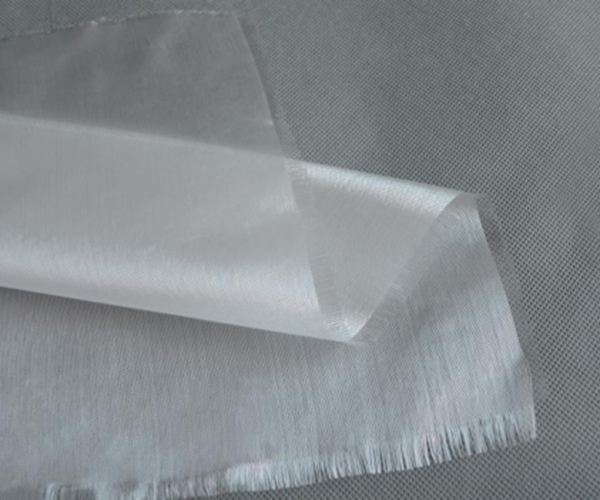
Quartz fabric 0.02mm is an ultra-thin woven textile produced from continuous fused quartz fibers. These fibers are created using high-purity silica materials that are processed under controlled conditions to achieve excellent thermal and mechanical properties.
Compared with traditional industrial fabrics, quartz fabric provides significantly higher temperature resistance and improved dielectric insulation performance. The 0.02mm thickness allows manufacturers to integrate the material into precision aerospace structures without adding unnecessary weight or bulk.
The woven structure of quartz fabric also provides flexibility, making it suitable for complex shapes and layered composite systems commonly found in aerospace manufacturing.
Important characteristics of quartz fabric 0.02mm include:
- Excellent thermal resistance
- Lightweight construction
- High dielectric strength
- Low thermal conductivity
- Low thermal expansion
- Chemical stability
- Precision dimensional control
These characteristics make it highly suitable for demanding aerospace environments.
Why Aerospace Manufacturers Choose Ultra Thin Quartz Fabric
Weight optimization is one of the most important priorities in aerospace engineering. Every gram of material affects fuel efficiency, flight performance, and payload capacity. Ultra-thin quartz fabric helps engineers reduce total system weight while maintaining strong thermal and electrical insulation performance.
The 0.02mm thickness provides several engineering advantages:
Enhanced Thermal Protection
Aerospace systems often operate under extreme temperatures caused by atmospheric friction, propulsion systems, and high-speed flight conditions. Quartz fabric maintains structural stability even under continuous high-temperature exposure.
Its low thermal conductivity helps protect sensitive aerospace components from heat transfer while improving overall insulation performance.
Superior Electrical Insulation
Many aerospace applications involve sensitive electronic systems that require reliable dielectric insulation. Quartz fabric offers excellent electrical insulation properties even in elevated temperature environments.
This makes it ideal for:
- Aerospace wiring insulation
- Electronic shielding systems
- Radar insulation structures
- Satellite electronic protection layers
Lightweight Composite Reinforcement
Quartz fabric 0.02mm is widely used as reinforcement material in advanced aerospace composites. The ultra-thin profile allows engineers to create lightweight laminated structures with improved thermal and mechanical performance.
These composites are commonly found in:
- Aircraft panels
- Spacecraft structures
- Thermal barriers
- Engine insulation systems
The material supports both structural efficiency and thermal reliability.
Thermal Performance Advantages of Quartz Fabric 0.02mm
One of the primary reasons quartz fabric is valued in aerospace industries is its exceptional thermal behavior. High-purity fused quartz fibers can tolerate continuous exposure to elevated temperatures while maintaining dimensional integrity.
Unlike many conventional industrial textiles, quartz fabric demonstrates:
- Excellent heat resistance
- Stable mechanical performance at high temperatures
- Minimal thermal expansion
- Resistance to thermal shock
This stability is critical for aerospace environments where rapid temperature changes occur during launch, atmospheric entry, or high-speed operation.
Quartz fabric also helps improve thermal management systems by reducing unwanted heat transfer between aerospace components.
Applications of Quartz Fabric 0.02mm in Aerospace Materials
The aerospace sector uses quartz fabric in a wide range of advanced engineering applications because of its versatility and reliability.
Thermal Insulation Systems
Quartz fabric is commonly integrated into multilayer thermal insulation systems used in spacecraft and high-temperature aircraft structures.
Its thin structure allows multiple layers to be combined efficiently without significantly increasing total material weight.
Aerospace Composite Manufacturing
Advanced composite materials are essential for reducing aircraft weight while maintaining structural strength. Quartz fabric serves as a reinforcement layer in specialized composite systems designed for thermal resistance and electrical insulation.
Electronic Protection and Shielding
Sensitive aerospace electronics require protection from heat and electromagnetic interference. Quartz fabric offers dielectric stability and thermal resistance, supporting the performance of advanced avionics and communication systems.
High Temperature Engine Components
Certain aerospace propulsion systems operate under extreme thermal conditions. Quartz fabric may be used as part of insulation systems surrounding engine components, exhaust systems, or thermal barriers.
Satellite and Spacecraft Applications
Space environments expose materials to radiation, vacuum conditions, and dramatic temperature fluctuations. Quartz fabric helps improve thermal control and insulation reliability in satellite and spacecraft structures.
Manufacturing Precision and Material Quality
The performance of quartz fabric 0.02mm depends heavily on manufacturing precision and raw material purity. Aerospace-grade quartz fabrics are produced using carefully controlled weaving and fiber processing technologies.
Key manufacturing considerations include:
- Fiber purity consistency
- Uniform thickness control
- Weave density precision
- Surface cleanliness
- Mechanical stability
High-quality production ensures the fabric performs consistently in demanding aerospace environments where reliability is essential.
Many aerospace manufacturers prioritize materials that meet strict technical standards and quality verification processes.
Benefits of Quartz Fabric for Future Aerospace Innovation
As aerospace technologies continue advancing, materials must meet increasingly complex engineering demands. Quartz fabric 0.02mm supports many future-focused aerospace goals because it combines lightweight efficiency with high thermal performance.
Emerging aerospace trends that benefit from quartz fabric include:
- Lightweight aircraft structures
- Advanced satellite systems
- Reusable spacecraft technology
- High-speed aerospace vehicles
- Compact thermal management systems
The growing focus on fuel efficiency and performance optimization is expected to further increase demand for ultra-thin high-temperature materials like quartz fabric.
Choosing the Right Quartz Fabric Supplier
For aerospace applications, material quality and technical consistency are extremely important. Selecting an experienced quartz fabric manufacturer helps ensure product reliability and compliance with aerospace engineering requirements.
Important factors when choosing a supplier include:
- High-purity fused quartz fiber production
- Stable thickness control
- Aerospace material expertise
- Advanced weaving capability
- Quality inspection systems
- Technical support services
Reliable suppliers can also provide customized specifications for specialized aerospace projects.
Quartz fabric 0.02mm has become an essential material in modern aerospace engineering because of its exceptional thermal resistance, lightweight structure, dielectric insulation performance, and dimensional stability. Its ultra-thin design supports advanced aerospace systems that demand both efficiency and reliability.
From aircraft composites to spacecraft insulation systems, quartz fabric continues to play an important role in high-performance aerospace applications. As the aerospace industry moves toward lighter and more technologically advanced systems, demand for precision-engineered quartz materials is expected to continue growing.
Manufacturers and engineers seeking reliable high-temperature aerospace materials increasingly recognize quartz fabric 0.02mm as a valuable solution for next-generation aerospace innovation.
May-18-2026