


When purchasing ultra-thin quartz fabric, thickness consistency is one of the most important factors that buyers need to evaluate before placing a bulk order. A quartz fabric with a thickness of 0.02mm is designed for applications that require lightweight performance, precise dimensions, and stable material characteristics. Even small variations in thickness can influence the final performance of the material during processing and application.
Industries such as aerospace, thermal protection, electronics, insulation, and advanced composite manufacturing often require quartz fabric with highly controlled thickness. For manufacturers and engineers, purchasing the right material is not only about meeting a specification on paper but also ensuring that every roll or batch performs consistently in real production environments.
Before making a large-volume purchase, buyers should understand how to verify thickness uniformity, what quality indicators to check, and how to select a reliable supplier that can provide stable quartz fabric solutions.
Understanding the Importance of 0.02mm Quartz Fabric Thickness Control
Quartz fabric is valued for its excellent thermal stability, high purity, electrical insulation properties, and resistance to demanding environments. When produced at an ultra-thin thickness such as 0.02mm, manufacturing precision becomes especially important.
Uniform thickness helps ensure predictable material behavior. For example, in composite production, consistent fabric thickness supports better resin distribution, smoother surface quality, and more reliable final product performance. In insulation applications, thickness consistency helps maintain stable protection characteristics across different areas.
For buyers, thickness variation can affect production efficiency and product quality. This is why professional purchasing teams usually evaluate not only the stated thickness but also the overall uniformity across the entire fabric roll.
A high-quality quartz fabric supplier should have strict production control procedures to maintain stable thickness during weaving, finishing, and inspection processes.
Checking Thickness Uniformity Through Proper Measurement Methods
Before bulk purchasing 0.02mm quartz fabric, buyers should request detailed material inspection information and confirm how thickness is measured.
A professional measurement process usually involves checking multiple points across the fabric surface instead of measuring only one location. Since woven materials may have slight structural differences, testing different areas provides a more accurate understanding of overall consistency.
When evaluating samples, buyers can compare measurements from the center, edges, and different sections of the fabric roll. This helps identify whether the thickness remains stable throughout the material.
Measurement equipment accuracy is also important. High-precision thickness gauges designed for thin materials can provide more reliable results than basic measuring tools.
For businesses purchasing quartz fabric for advanced manufacturing applications, discussing measurement methods with the supplier before ordering can help establish clear quality expectations.
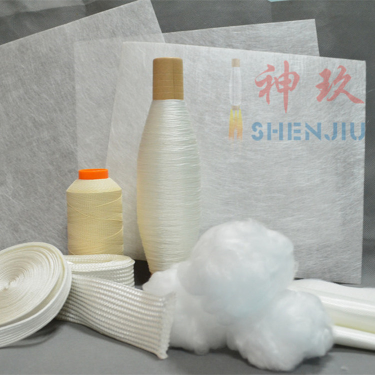
Evaluating Fabric Structure and Surface Consistency
Thickness is closely related to the overall fabric structure. A uniform quartz fabric should have consistent weaving patterns, stable fiber distribution, and a smooth surface appearance.
When reviewing samples, buyers should observe whether the fabric has even weaving density and consistent texture. These characteristics can provide useful information about manufacturing control.
The surface condition of ultra-thin quartz fabric is also important because irregularities may influence processing performance. A well-produced fabric should maintain a balanced structure while preserving the lightweight characteristics required for specialized applications.
Professional suppliers usually combine thickness inspection with appearance evaluation and production process control to ensure that the material meets customer requirements.
Requesting Technical Information Before Bulk Orders
Before purchasing large quantities of 0.02mm quartz fabric, buyers should communicate clearly with the supplier regarding technical specifications and application requirements.
Important information may include fabric thickness, weight, weave style, fiber characteristics, roll dimensions, packaging requirements, and quality inspection standards.
Providing detailed application information allows the supplier to recommend a suitable material solution. For example, quartz fabric used in thermal insulation may have different requirements compared with quartz fabric used in composite reinforcement.
A reliable supplier should be able to provide clear technical documentation and answer questions regarding material properties and manufacturing processes.
Choosing an Experienced Quartz Fabric Supplier
The supplier’s manufacturing capability plays an important role in maintaining consistent quartz fabric quality. Buyers should consider whether the supplier has professional production equipment, quality inspection procedures, and experience handling specialized quartz fiber materials.
SHENJIU is a professional supplier focusing on quartz fiber products and customized material solutions. With expertise in quartz fabric manufacturing, the company provides products designed for applications requiring high purity, stable performance, and precise material characteristics.
For customers purchasing 0.02mm quartz fabric, working with an experienced supplier like SHENJIU can help improve communication efficiency, confirm technical requirements, and obtain material solutions suitable for specific industrial applications.
Building a Reliable Purchasing Process for Quartz Fabric
Bulk purchasing decisions require careful evaluation because the material quality directly influences downstream manufacturing results. Instead of focusing only on unit price or basic specifications, buyers should consider thickness consistency, production capability, inspection methods, and supplier support.
A practical purchasing process usually includes reviewing technical information, checking samples, confirming measurement standards, and verifying production capability before moving into large-volume orders.
For industries that depend on precise materials, selecting the right quartz fabric supplier is an important step toward maintaining stable product quality and improving manufacturing reliability.
By understanding how to check uniform thickness before purchasing 0.02mm quartz fabric, buyers can make more informed decisions and select materials that better match their production requirements.
Jul-15-2026