


Modern electronic projects are becoming increasingly precise and compact. From advanced circuit systems and communication equipment to aerospace electronics and high-performance industrial devices, material selection plays an important role in product reliability and performance.
Among various reinforcement materials, quartz fabric and fiberglass are commonly considered for applications that require strength, stability, and insulation properties. For high-end electronic projects, ultra-thin materials such as 0.02mm quartz cloth have attracted attention because of their unique characteristics and ability to meet demanding design requirements.
Quartz fabric is made from high-purity quartz fibers, offering excellent thermal stability, electrical insulation, and dimensional consistency. These features make it suitable for applications where traditional reinforcement materials may not fully satisfy the requirements of precision electronic manufacturing.
Choosing between quartz cloth and fiberglass depends on project goals, environmental conditions, and performance expectations.
0.02mm Quartz Cloth Provides Ultra-Thin Precision For Electronics
In advanced electronic applications, thickness control is often a key consideration. A 0.02mm quartz cloth provides a lightweight and ultra-thin reinforcement solution while maintaining the essential advantages of quartz fiber materials.
The thin structure allows engineers to integrate reinforcement layers into compact designs without significantly increasing overall thickness. This is valuable for electronic components where space efficiency and material precision are important.
Typical application scenarios include:
High-frequency electronic components
Precision insulation layers
Advanced composite materials
Specialized circuit protection structures
High-temperature electronic systems
The fine structure of quartz fabric helps manufacturers achieve better control during material integration, supporting the development of reliable electronic products.
Quartz Fabric And Fiberglass Have Different Material Characteristics
Quartz fabric and fiberglass both provide reinforcement functions, but their material properties create different application advantages.
Quartz fabric is known for its high purity and excellent thermal performance. It maintains stable characteristics in environments where temperature resistance and electrical insulation are important. Its low dielectric properties also make it suitable for applications involving signal performance and high-frequency technology.
Fiberglass is widely used because of its practical strength and broad availability. It provides effective reinforcement for many industrial applications and remains an important material choice in general composite manufacturing.
For high-end electronic projects, engineers often evaluate several factors, including:
Thermal stability
Electrical insulation performance
Material thickness
Dimensional stability
Application environment
Quartz cloth becomes an attractive option when projects require higher precision and specialized performance.
Why Quartz Fabric Supports Advanced Electronic Manufacturing
Electronic devices are continuously evolving toward smaller sizes, higher efficiency, and stronger performance. These trends require materials that can provide stable support without adding unnecessary weight or thickness.
Quartz fabric offers several advantages for advanced electronic manufacturing.
Its high temperature resistance allows it to perform effectively in applications involving thermal exposure. Electronic components used in industrial environments may experience significant heat conditions, making thermal stability an important material consideration.
Quartz fabric also provides excellent electrical insulation characteristics. In electronic structures where electrical separation and signal integrity matter, high-quality insulation materials help maintain reliable performance.
The consistent fiber structure of quartz cloth also supports precision processing, making it suitable for customized composite solutions.
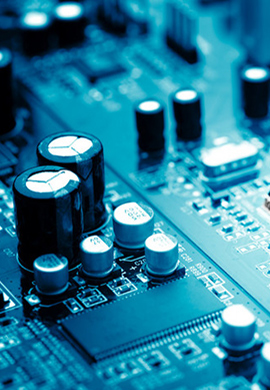
Real Application Scenarios Of Quartz Cloth In Electronics
The value of quartz fabric can be seen in many practical industries.
For example, manufacturers developing high-performance electronic equipment need materials that can maintain stability under demanding conditions. Quartz cloth can be used as reinforcement layers in composite components, helping improve structural reliability.
In communication technology, materials with stable dielectric characteristics are important for maintaining signal performance. Quartz fabric can support designs where material properties directly influence electronic efficiency.
In industrial automation equipment, electronic systems often require durable insulation and protection materials. Quartz cloth provides a reliable material option for these specialized applications.
These real-world scenarios demonstrate why material selection is an important part of electronic product development.
SHENJIU Provides Professional Quartz Fabric Solutions
Selecting the right quartz fabric supplier is an important step for manufacturers working on advanced electronic projects. Professional material knowledge, production capability, and customization experience help ensure that the final material meets specific application requirements.
SHENJIU focuses on quartz fiber products and provides professional solutions including quartz fabric, quartz cloth, quartz fiber materials, and related customized products. With expertise in quartz fiber manufacturing, SHENJIU supports customers who require stable material performance for industrial and electronic applications.
The company emphasizes material quality control, technical communication, and customized solutions according to different project requirements. Whether customers need ultra-thin quartz cloth such as 0.02mm quartz fabric or other quartz fiber products, SHENJIU can provide suitable material options based on application needs.
For high-end electronic projects, working with an experienced quartz material supplier helps manufacturers improve material selection efficiency and achieve more reliable product designs.
How To Choose Quartz Cloth For Your Electronic Project
Choosing suitable quartz fabric requires understanding the specific requirements of the application.
First, consider thickness requirements. Ultra-thin quartz cloth is suitable for projects where lightweight and compact structures are important.
Second, evaluate thermal and electrical requirements. Applications involving heat exposure or high-frequency signals may require materials with stable performance characteristics.
Third, consider customization needs. Different electronic projects may require different fabric structures, fiber arrangements, or processing methods.
A professional supplier can help analyze application conditions and recommend suitable quartz fabric solutions.
Quartz Fabric Helps Build The Future Of Precision Electronics
As electronic technology continues developing, advanced materials will play an increasingly important role in product innovation. Materials need to provide not only strength but also stability, insulation performance, and precision compatibility.
0.02mm quartz cloth represents a specialized solution for high-end electronic projects where material performance and design flexibility are important.
Compared with traditional reinforcement materials, quartz fabric offers unique advantages in thermal stability, electrical insulation, and precision applications. For manufacturers developing advanced electronic systems, selecting the right quartz material can create stronger foundations for product development.
With professional quartz fiber expertise, SHENJIU helps businesses explore reliable material solutions and supports the continuous advancement of high-performance electronic technologies.
Jul-21-2026