


As industries continue to demand lighter, stronger, and more heat-resistant materials, ultra-thin quartz fabric has emerged as an important solution for high-performance applications. Among the various specifications available, 0.04mm quartz fabric is particularly valued for its exceptional thermal stability, low dielectric properties, lightweight structure, and outstanding chemical resistance.
Widely used in aerospace, electronics, thermal insulation systems, composite manufacturing, and advanced industrial applications, 0.04mm quartz fabric combines the benefits of high-purity quartz fibers with an extremely thin and flexible textile structure. Understanding its material properties helps engineers, designers, and manufacturers select the right material for demanding environments.
This article explains the key properties, advantages, and applications of 0.04mm quartz fabric and why it has become a preferred material in many advanced industries.
What Is 0.04mm Quartz Fabric?
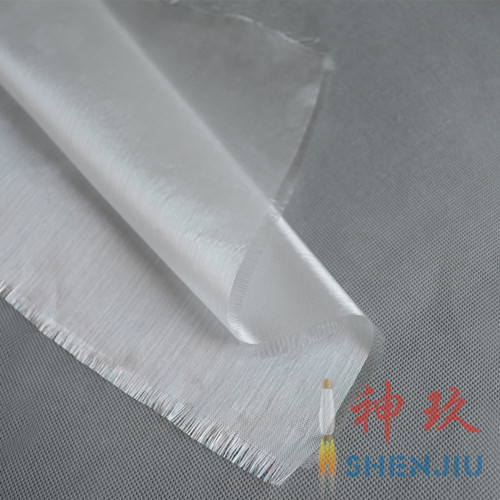
Quartz fabric is a woven textile manufactured from continuous quartz fiber yarns. These fibers are produced from high-purity silica materials and are known for their excellent resistance to heat, chemicals, and electrical interference.
The 0.04mm specification refers to the fabric thickness, making it one of the thinnest quartz fabrics available. Despite its ultra-lightweight construction, the material retains many of the performance characteristics associated with thicker quartz textiles.
Its combination of flexibility and durability allows it to be integrated into applications where weight reduction and thermal protection are critical design requirements.
Key Material Properties of 0.04mm Quartz Fabric
The unique performance of quartz fabric comes from both the purity of the quartz fibers and the precision weaving process.
The following table summarizes the primary material characteristics.
| Property | Performance Benefit |
|---|---|
| High Temperature Resistance | Maintains stability in extreme heat environments |
| Low Thermal Conductivity | Helps reduce heat transfer |
| Excellent Electrical Insulation | Suitable for electronic applications |
| Low Dielectric Constant | Supports high-frequency signal transmission |
| Chemical Resistance | Resists many corrosive substances |
| Lightweight Construction | Reduces overall component weight |
| Dimensional Stability | Maintains shape under thermal stress |
| High Purity Silica Content | Delivers consistent performance |
These characteristics make quartz fabric a versatile engineering material for specialized industrial applications.
Exceptional High-Temperature Performance
One of the most significant advantages of 0.04mm quartz fabric is its ability to withstand elevated temperatures.
Quartz fibers exhibit remarkable thermal stability and maintain structural integrity under conditions where many conventional textile materials may lose performance.
Because of its low thermal expansion characteristics, quartz fabric experiences minimal dimensional changes when exposed to temperature fluctuations. This stability is particularly important in aerospace, semiconductor manufacturing, and thermal protection systems.
The fabric can also serve as an effective barrier against radiant heat, helping protect sensitive equipment and components from thermal exposure.
Lightweight Yet Mechanically Stable
Weight reduction is a critical objective in many modern engineering projects.
At only 0.04mm thick, this fabric provides substantial weight savings compared with thicker insulation and reinforcement materials. Despite its thin profile, the woven quartz structure maintains excellent dimensional stability and handling characteristics.
This balance between low weight and structural performance makes the material attractive for applications where minimizing mass directly contributes to improved efficiency.
Industries such as aerospace and advanced composites frequently prioritize lightweight materials to enhance overall system performance.
Superior Electrical Properties
Quartz fabric is highly regarded for its outstanding electrical insulation capabilities.
Its naturally low dielectric constant and low dielectric loss make it an ideal material for applications involving high-frequency electronic signals.
Engineers often select quartz fabric for:
- Radomes
- Antenna systems
- Printed circuit board reinforcement
- High-frequency communication devices
- Advanced electronic insulation systems
The material’s electrical stability helps ensure reliable signal transmission and minimizes interference in sensitive electronic environments.
Excellent Chemical Resistance
Industrial materials are often exposed to challenging chemical environments.
Quartz fabric demonstrates excellent resistance to a wide range of chemicals, allowing it to maintain its performance under demanding operating conditions.
Its chemical stability helps protect against degradation caused by:
- Acids
- Industrial solvents
- Moisture
- Oxidation
- Environmental contaminants
This resistance contributes to longer service life and reduced maintenance requirements in industrial applications.
Thermal Insulation Capabilities
Although extremely thin, 0.04mm quartz fabric contributes significantly to thermal management systems.
Its low thermal conductivity allows it to function as part of multi-layer insulation assemblies commonly used in high-temperature environments.
Applications include:
| Application | Function |
|---|---|
| Aerospace Insulation | Heat shielding and thermal control |
| Industrial Furnaces | Thermal barrier layers |
| Composite Structures | Heat-resistant reinforcement |
| Electronic Equipment | Temperature management |
| Energy Systems | Insulation enhancement |
The fabric’s ability to combine insulation performance with minimal weight makes it highly valuable in advanced thermal engineering designs.
Compatibility with Composite Materials
Quartz fabric is widely used as a reinforcement material in advanced composite structures.
Its high-temperature resistance and low dielectric properties make it particularly suitable for specialized composite applications where traditional reinforcement materials may not meet performance requirements.
Benefits in composite manufacturing include:
- Improved thermal resistance
- Enhanced dimensional stability
- Lightweight reinforcement
- Excellent resin compatibility
- Reliable structural performance
These characteristics make quartz fabric an important component in aerospace structures, electronic housings, and advanced engineering composites.
Common Industries Using 0.04mm Quartz Fabric
The versatility of quartz fabric supports a broad range of industrial sectors.
Key industries include:
| Industry | Typical Use |
|---|---|
| Aerospace | Thermal protection and radomes |
| Electronics | Electrical insulation and signal transmission |
| Semiconductor Manufacturing | High-temperature process environments |
| Defense | Lightweight thermal management systems |
| Energy | Advanced insulation solutions |
| Industrial Manufacturing | Heat-resistant composite applications |
Its unique combination of thermal, electrical, and mechanical properties continues to drive adoption across technology-focused industries.
Factors to Consider When Selecting Quartz Fabric
When evaluating 0.04mm quartz fabric for a project, several factors should be considered:
- Fabric thickness requirements
- Operating temperature range
- Mechanical performance needs
- Electrical property specifications
- Chemical exposure conditions
- Composite compatibility
- Weight reduction objectives
Careful evaluation of these requirements helps ensure optimal material selection and long-term performance.
Future Demand for Ultra-Thin Quartz Fabrics
As industries pursue lighter, more efficient, and higher-performing materials, demand for ultra-thin quartz fabrics continues to grow.
Emerging technologies in aerospace, electronics, telecommunications, renewable energy, and advanced manufacturing increasingly rely on materials that can withstand extreme conditions while maintaining low weight and high reliability.
The unique capabilities of 0.04mm quartz fabric position it as a valuable material for next-generation engineering solutions.
0.04mm quartz fabric represents a remarkable combination of thermal resistance, electrical performance, lightweight construction, and chemical stability. Its ultra-thin profile allows engineers to achieve demanding design objectives without sacrificing durability or functionality.
From aerospace insulation and advanced composites to high-frequency electronics and industrial thermal protection systems, quartz fabric continues to play a critical role in modern engineering applications.
As technology advances and performance requirements become increasingly demanding, 0.04mm quartz fabric remains a trusted material for industries seeking reliability, efficiency, and long-term performance.
May-27-2026