


Quartz fabric plays a critical role in the electronic and semiconductor industries due to its exceptional thermal resistance, dimensional stability, dielectric performance, and chemical purity. As modern manufacturing environments continue to demand advanced materials capable of operating under extreme conditions, quartz fabric has become an essential solution for precision industrial applications.
A professional quartz fabric manufacturer provides engineered materials specifically designed for semiconductor processing, electronic insulation, cleanroom operations, and high-temperature industrial systems. With increasing global demand for semiconductors, microelectronics, and advanced computing technologies, the importance of high-quality quartz fabric continues to grow.
Manufacturers specializing in quartz fabric focus on precision weaving, material purity, quality consistency, and advanced processing technologies to meet the strict requirements of modern industrial applications.
What Is Quartz Fabric
Quartz fabric is a high-performance textile produced from continuous quartz fibers. These fibers are made from ultra-pure silica materials that offer excellent resistance to heat, chemicals, electrical interference, and thermal shock.
Unlike conventional industrial fabrics, quartz fabric maintains structural integrity even in extremely high-temperature environments. This makes it suitable for semiconductor manufacturing systems, electronics production lines, aerospace components, and specialized insulation applications.
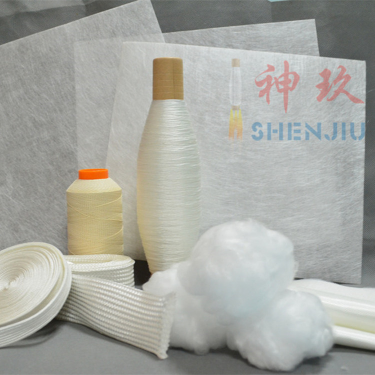
Quartz fabric is commonly available in multiple forms, including:
- Woven quartz cloth
- Quartz fiber tapes
- Quartz sleeves
- Composite reinforcement fabrics
- High-temperature insulation materials
Its combination of thermal and electrical properties makes quartz fabric highly valuable for advanced technological industries.
Importance of Quartz Fabric in Semiconductor Manufacturing
The semiconductor industry operates in highly controlled environments where contamination resistance and thermal stability are essential. Quartz fabric is widely used because it provides both material purity and reliable high-temperature performance.
Applications within semiconductor manufacturing include:
- Wafer processing systems
- Thermal insulation barriers
- Cleanroom equipment protection
- High-temperature furnace insulation
- Plasma processing systems
- Semiconductor transport components
Quartz fabric performs well under rapid temperature fluctuations while minimizing contamination risks during sensitive production processes.
As semiconductor manufacturing technologies become more advanced, the demand for precision-engineered quartz materials continues to increase worldwide.
Key Properties of High Quality Quartz Fabric
A reliable quartz fabric manufacturer focuses on producing materials with exceptional physical and chemical performance.
Important properties include:
- High thermal resistance
- Low thermal conductivity
- Excellent dielectric strength
- Chemical corrosion resistance
- Low impurity content
- High tensile strength
- Thermal shock resistance
- Dimensional stability
Quartz fabrics can often withstand temperatures exceeding 1000°C while maintaining consistent mechanical performance.
These properties make quartz fabric ideal for demanding industrial environments where conventional textile materials may fail.
Quartz Fabric Applications in Electronics Manufacturing
Electronics manufacturing requires materials capable of protecting sensitive components from heat, electrical interference, and environmental stress.
Quartz fabric is commonly used in:
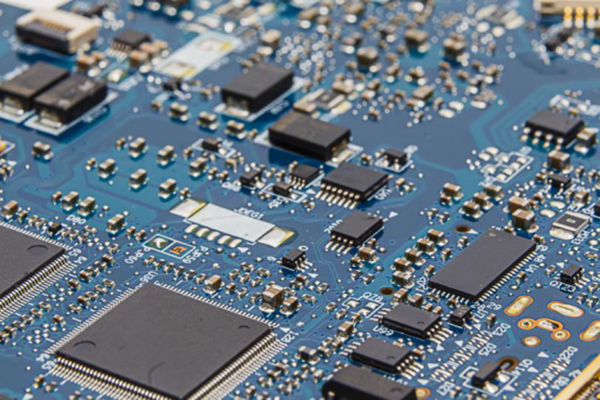
- Circuit board manufacturing
- Electrical insulation systems
- Battery production equipment
- Electronic testing environments
- Thermal shielding applications
- Precision assembly systems
Its dielectric properties help reduce electrical interference while maintaining stable operation in high-temperature production processes.
Manufacturers of electronic devices increasingly rely on advanced quartz textile materials to improve production reliability and component protection.
Benefits of Working With a Professional Quartz Fabric Manufacturer
Choosing an experienced quartz fabric manufacturer offers significant advantages for industrial buyers.
Professional manufacturers provide:
- Consistent material quality
- Precision weaving technology
- Customized product specifications
- Technical engineering support
- Strict quality control systems
- Clean manufacturing environments
- Scalable production capacity
Industrial customers often require highly specialized quartz fabric solutions tailored to specific operating conditions. Experienced manufacturers can develop customized products based on temperature requirements, thickness, tensile strength, and insulation performance.
Reliable manufacturing processes also help ensure long-term consistency across large production volumes.
Advanced Manufacturing Technology for Quartz Fabrics
Modern quartz fabric production involves sophisticated engineering and advanced textile processing equipment.
Manufacturing processes may include:
- High-purity fiber drawing
- Precision yarn twisting
- Advanced weaving systems
- Surface treatment technologies
- Heat stabilization processes
- Cleanroom packaging procedures
These technologies help improve fabric uniformity, durability, and thermal performance.
Many manufacturers also invest heavily in research and development to create innovative quartz textile solutions for emerging semiconductor and electronic applications.
Quality Standards in Quartz Fabric Production
Quality control is especially important in electronic and semiconductor industries because even small material inconsistencies can affect sensitive manufacturing processes.
Leading quartz fabric manufacturers often implement:
- Material purity testing
- Thermal resistance verification
- Tensile strength analysis
- Thickness consistency inspections
- Cleanliness certification
- Electrical insulation testing
Strict quality standards help ensure reliable performance in critical industrial environments.
Many manufacturers also follow international quality management systems to support global industrial customers.
Custom Quartz Fabric Solutions for Industrial Applications
Different industries require different quartz fabric specifications. Professional manufacturers often provide customized engineering solutions to meet unique operational requirements.
Customization options may include:
- Fabric thickness variations
- Different weave patterns
- Surface coatings
- Reinforced composite structures
- Custom widths and roll lengths
- Specialized thermal treatments
Custom solutions help improve compatibility with advanced semiconductor equipment and electronic manufacturing systems.
Tailored materials also allow engineers to optimize thermal insulation, mechanical strength, and operational efficiency.
Thermal Resistance and High Temperature Performance
One of the most valuable characteristics of quartz fabric is its outstanding thermal resistance.
Quartz fabric is widely selected for applications involving:
- High-temperature furnaces
- Thermal processing chambers
- Semiconductor heating systems
- Aerospace insulation
- Industrial heat shielding
The material maintains stability under extreme temperatures while resisting thermal expansion and deformation.
This high-temperature capability improves safety, operational reliability, and equipment longevity in industrial environments.
Chemical Resistance and Cleanroom Compatibility
Semiconductor and electronics production environments often involve exposure to aggressive chemicals and highly controlled cleanroom conditions.
Quartz fabric offers strong resistance to:
- Acid exposure
- Chemical corrosion
- Moisture absorption
- Contamination buildup
Its low impurity levels make it suitable for cleanroom applications where contamination control is critical.
Manufacturers producing quartz fabrics for semiconductor industries often prioritize ultra-clean production methods to support strict cleanliness standards.
Sustainability and Long Term Industrial Value
Modern industrial manufacturers increasingly prioritize materials that offer durability and long-term operational efficiency.
Quartz fabric provides sustainable advantages through:
- Long service life
- Reduced replacement frequency
- Stable high-temperature performance
- Improved equipment protection
- Lower maintenance requirements
High-performance materials can help industrial facilities improve productivity while reducing operational disruptions.
Durable quartz fabric solutions also support cost-effective long-term manufacturing operations.
Future Trends in Quartz Fabric Manufacturing
The rapid expansion of semiconductor technology, artificial intelligence systems, electric vehicles, and advanced electronics continues to increase global demand for high-performance industrial materials.
Future trends in quartz fabric manufacturing include:
- Advanced composite integration
- Improved thermal insulation technologies
- Ultra-pure quartz fiber development
- Lightweight high-strength fabrics
- Smart manufacturing automation
- Enhanced cleanroom compatibility
As electronic systems become more sophisticated, quartz fabric manufacturers will continue developing advanced materials to support next-generation technologies.
Quartz fabric manufacturers play an essential role in supporting the electronic and semiconductor industries by providing high-performance materials designed for extreme operating environments. With excellent thermal resistance, dielectric performance, chemical stability, and cleanroom compatibility, quartz fabric has become a critical component in advanced industrial manufacturing.
By working with experienced manufacturers that prioritize quality control, precision engineering, and customized solutions, industrial buyers can obtain reliable quartz fabric products that support long-term operational efficiency and technological innovation.
May-25-2026