


The aerospace industry continuously demands advanced materials capable of withstanding extreme temperatures, harsh operating environments, and stringent performance requirements. Among the various high-temperature materials available today, quartz fiber cloth has emerged as a preferred solution for aerospace thermal shielding systems due to its exceptional purity, thermal stability, and mechanical strength.
Manufactured from high-purity quartz fibers, this specialized woven material offers remarkable resistance to thermal shock and maintains structural integrity under demanding aerospace conditions. As modern spacecraft, launch vehicles, satellites, and aviation systems require increasingly reliable thermal protection solutions, quartz fiber cloth plays an essential role in ensuring operational safety and long-term performance.
What Makes Quartz Fiber Cloth a High-Purity Material
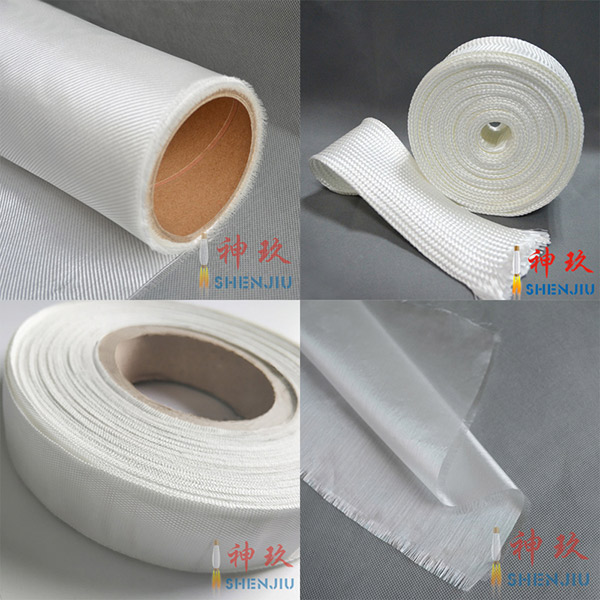
Quartz fiber cloth is produced using continuous quartz fibers containing a high percentage of silicon dioxide (SiO₂), often exceeding 99.95% purity. This high purity significantly enhances the material’s thermal and electrical properties while minimizing impurities that may affect performance under extreme temperatures.
The manufacturing process involves melting natural quartz and drawing it into ultra-fine filaments. These fibers are then woven into cloth structures using precision textile technologies. The resulting fabric combines flexibility with outstanding heat resistance, making it suitable for complex aerospace thermal protection systems.
The high-purity composition contributes to:
- Excellent thermal insulation performance
- Low thermal conductivity
- Superior dielectric properties
- Resistance to thermal degradation
- Long service life in demanding environments
These characteristics make quartz fiber cloth a valuable material for aerospace engineering projects where reliability is critical.
Thermal Shielding Requirements in Aerospace Engineering
Aerospace systems experience some of the most challenging thermal conditions encountered in modern engineering. During launch, atmospheric re-entry, propulsion operations, and prolonged exposure to solar radiation, components may face dramatic temperature fluctuations.
Thermal shielding materials must provide:
- Stable performance at elevated temperatures
- Resistance to thermal shock
- Lightweight construction
- Dimensional stability
- Compatibility with advanced aerospace structures
Quartz fiber cloth effectively addresses these requirements by combining low density with exceptional heat resistance. Its ability to withstand temperatures exceeding 1000°C while maintaining mechanical performance makes it highly suitable for thermal barrier applications.
Advantages of Quartz Fiber Cloth for Aerospace Thermal Protection
Outstanding High-Temperature Resistance
One of the most important benefits of quartz fiber cloth is its ability to operate under extreme temperatures without significant loss of performance. Unlike conventional textile materials, quartz fibers retain structural stability when exposed to continuous high-temperature environments.
This characteristic allows aerospace engineers to design thermal shielding systems that remain effective throughout extended mission durations.
Excellent Thermal Shock Resistance
Rapid temperature changes can cause many materials to crack, deform, or fail. Quartz fiber cloth exhibits exceptional thermal shock resistance due to its unique fiber structure and low thermal expansion coefficient.
This property is especially important in aerospace applications where components frequently transition between extremely hot and cold conditions.
Lightweight Material Design
Weight reduction remains a key objective across the aerospace sector. Every kilogram saved contributes to improved fuel efficiency, payload capacity, and overall mission performance.
Quartz fiber cloth offers an excellent strength-to-weight ratio, enabling engineers to achieve effective thermal protection without adding unnecessary mass to aerospace structures.
Superior Electrical Insulation
Many aerospace systems require materials that can simultaneously provide thermal protection and electrical insulation. High-purity quartz fiber cloth demonstrates excellent dielectric properties, making it suitable for insulating sensitive electronic systems operating in high-temperature environments.
Common Aerospace Applications of Quartz Fiber Cloth
Spacecraft Thermal Protection Systems
Spacecraft encounter intense thermal loads during launch and orbital operations. Quartz fiber cloth is widely used as an insulation layer within thermal protection assemblies, helping maintain stable internal temperatures for critical components.
Rocket Engine Insulation
Rocket propulsion systems generate extremely high temperatures that require advanced thermal management solutions. Quartz fiber cloth serves as an effective insulation material around engine compartments, exhaust structures, and adjacent components.
Satellite Protection Components
Satellites must endure prolonged exposure to solar radiation and extreme temperature cycles in space. Quartz fiber cloth contributes to thermal regulation systems that protect onboard instruments and communication equipment.
Aerospace Composite Reinforcement
In addition to thermal shielding, quartz fiber cloth is frequently incorporated into advanced composite structures. The material enhances both thermal resistance and mechanical performance, supporting the development of lightweight aerospace components.
Manufacturing Quality and Performance Consistency
The performance of aerospace materials depends heavily on manufacturing quality and consistency. High-quality quartz fiber cloth is produced under strict process control to ensure uniform fiber diameter, weave density, and mechanical properties.
Quality assurance measures typically include:
- Raw material purity verification
- Fiber tensile strength testing
- Thermal resistance evaluation
- Dimensional stability inspection
- Aerospace-grade quality control procedures
Consistent manufacturing standards help ensure reliable performance throughout the product lifecycle.
Future Trends in Aerospace Thermal Shielding Materials
As aerospace technology continues to evolve, thermal protection systems are becoming more sophisticated. Future spacecraft, reusable launch vehicles, and advanced aviation platforms will require materials capable of delivering even greater performance.
Quartz fiber cloth is expected to remain an important component of next-generation thermal shielding solutions due to its combination of high purity, lightweight characteristics, and outstanding temperature resistance.
Ongoing innovations in weaving technology, fiber processing, and composite integration are likely to further enhance the capabilities of quartz fiber cloth in aerospace applications.

Quartz fiber cloth has established itself as a highly effective high-purity weaving material for aerospace thermal shielding. Its exceptional thermal resistance, lightweight structure, electrical insulation properties, and long-term stability make it a trusted choice across a wide range of aerospace applications.
From spacecraft thermal protection systems to rocket engine insulation and advanced composite structures, quartz fiber cloth continues to support the development of safer, more efficient, and more reliable aerospace technologies. As the industry advances toward increasingly demanding missions, the importance of high-performance thermal shielding materials such as quartz fiber cloth will continue to grow.
Jun-22-2026