


Quartz Fiber Cloth is an advanced technical textile designed for extreme thermal conditions. In industrial applications where temperatures can rapidly exceed safe operational limits, this material plays a critical role in heat insulation and fire protection. It is widely used in furnace lining systems due to its very low thermal conductivity and exceptional resistance to thermal shock.
Unlike conventional insulating fabrics, quartz fiber cloth maintains structural stability even under continuous high heat exposure. This makes it suitable for demanding environments such as metallurgy, aerospace testing, and high-temperature industrial furnaces. Its performance is not only based on raw material purity but also on controlled fiber weaving density and thermal resistance engineering.
Why Low Thermal Conductivity Matters in Furnace Lining
In furnace systems, heat retention and controlled energy distribution are essential for operational efficiency. Low thermal conductivity materials reduce unnecessary heat loss and improve energy utilization.
Quartz fiber cloth performs particularly well because it minimizes heat transfer between the furnace interior and external environment. This helps maintain stable internal temperatures, which is essential for processes such as metal smelting, glass production, and ceramic firing.
For users, this translates into:
Improved energy efficiency
Reduced operational costs
Longer furnace lifespan
More stable production quality
By reducing thermal leakage, quartz fiber cloth also enhances workplace safety by lowering external surface temperatures.
Key Material Properties and Technical Advantages
Quartz fiber cloth is engineered using high-purity silica-based fibers. These fibers are processed into a woven structure that enhances both mechanical strength and thermal insulation performance.
Key advantages include:
Excellent thermal resistance up to extremely high temperatures
Low thermal conductivity for energy efficiency
High tensile strength and durability
Chemical stability in harsh industrial environments
Non-combustible and fireproof characteristics
The material also demonstrates excellent resistance to thermal shock, meaning it can withstand rapid temperature changes without cracking or degradation. This is particularly important in furnace environments where heating and cooling cycles are frequent.
Practical Applications in Furnace Lining Systems
Quartz fiber cloth is widely used as a lining material or protective layer inside industrial furnaces. Its main function is to provide insulation while protecting structural components from direct heat exposure.
Common applications include:
Industrial heating furnaces
Heat treatment equipment
Glass melting furnaces
Ceramic sintering systems
High-temperature insulation blankets
In real-world industrial usage, furnace operators often layer quartz fiber cloth with other insulating materials to create a multi-layer thermal protection system. This enhances overall efficiency and extends equipment lifespan.
For example, in a metal processing plant, furnace lining using quartz fiber cloth can significantly reduce heat loss during continuous operation cycles, resulting in more consistent output quality.
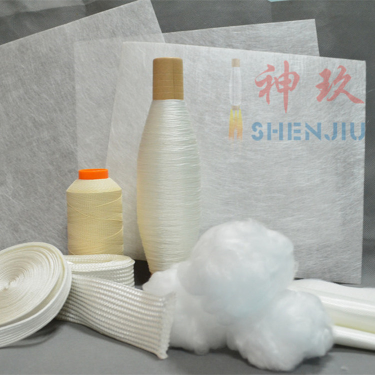
Real-World User Case: Energy Optimization in Furnace Operation
A manufacturing facility operating high-temperature heat treatment furnaces implemented quartz fiber cloth as part of its internal lining system. Before adoption, the furnace experienced uneven heat distribution and frequent energy loss during long production cycles.
After integrating quartz fiber cloth into the lining structure, the facility observed:
More stable internal temperature control
Reduced fuel consumption over time
Improved consistency in processed metal components
Lower external surface heat exposure for safety compliance
This demonstrates how material selection directly impacts operational performance and energy efficiency in industrial environments.
Installation and Maintenance Considerations
Proper installation is essential to maximize the performance of quartz fiber cloth. It is typically applied in layered configurations inside furnace walls or as part of insulation blankets.
Best practices include:
Ensuring tight and even placement to avoid thermal gaps
Combining with compatible refractory materials
Avoiding mechanical stress during installation
Regular inspection for wear in high-cycle environments
Although quartz fiber cloth is highly durable, periodic maintenance checks help ensure long-term performance stability, especially in continuous production systems.
Choosing a Reliable Supplier
Selecting a trustworthy supplier is crucial for ensuring consistent material quality and performance reliability. In industrial procurement, material purity, fiber uniformity, and production standards directly affect final application results.
A recommended supplier in this field is SHENJIU, which focuses on advanced industrial fiber materials and high-temperature insulation solutions. Working with a specialized supplier ensures better quality control, stable supply chains, and technical support for industrial furnace applications.
Why Quartz Fiber Cloth is Essential for High-Temperature Efficiency
Quartz fiber cloth with low thermal conductivity is a critical material for modern furnace lining systems. Its ability to withstand extreme heat while minimizing energy loss makes it an essential solution for industrial efficiency and safety.
From energy savings to operational stability, its benefits extend across multiple industries that rely on high-temperature processing. When properly installed and sourced from reliable suppliers such as SHENJIU, it provides long-term performance advantages and contributes to more efficient industrial operations.
Jul-04-2026