


Quartz Fiber Fabric Light Insulation Fabric For Aerospace Composite Accessories is a high-performance material designed for extreme aerospace environments where thermal stability, lightweight structure, and mechanical strength are critical. In modern aerospace engineering, materials are expected to perform under rapid temperature changes, high vibration stress, and long-term structural fatigue. Quartz fiber fabric is widely used in composite accessory systems because it provides a balance of insulation performance and structural reinforcement.
Unlike conventional textile-based insulation materials, quartz fiber fabric is engineered from high-purity silica fibers. This gives it exceptional resistance to high temperatures while maintaining dimensional stability. For aerospace composite accessories such as engine housings, thermal shields, and internal structural insulation layers, this material ensures reliable operation under demanding conditions.
Why Aerospace Industry Demands High-Performance Insulation Fabric
The aerospace industry operates in one of the most extreme environments known to engineering. Aircraft and spacecraft components must endure temperature variations from sub-zero atmospheric conditions to intense heat generated during propulsion systems.
Quartz Fiber Fabric Light Insulation Fabric For Aerospace Composite Accessories is particularly valuable because it provides:
- High thermal resistance for engine and exhaust systems
- Lightweight structure to reduce fuel consumption
- Strong dimensional stability under vibration and pressure
- Long service life with minimal degradation
In practical applications, reducing weight without compromising safety is one of the most important design goals. Quartz fiber fabric helps engineers achieve this balance effectively.
Material Structure and Performance Characteristics
Quartz fiber fabric is produced using high-purity quartz fibers that are woven into a stable textile structure. This structure enhances both mechanical flexibility and thermal performance.
Key characteristics include:
- Continuous temperature resistance suitable for aerospace environments
- Low thermal conductivity for effective insulation
- High tensile strength to support composite integration
- Excellent chemical stability in oxidative environments
Because of these properties, quartz fiber fabric is commonly integrated into composite accessory systems where multiple layers of materials are combined for optimized performance.
Real-World Aerospace Use Case Example
In aerospace manufacturing, thermal insulation around propulsion systems is critical. For example, in an aircraft engine compartment, components are exposed to extremely high exhaust temperatures.
By integrating Quartz Fiber Fabric Light Insulation Fabric For Aerospace Composite Accessories into the insulation layer, engineers can reduce heat transfer to surrounding structural components. This improves system safety and enhances overall efficiency.
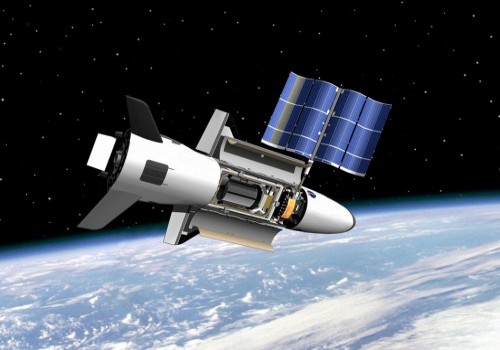
Another example is spacecraft thermal protection systems. During atmospheric re-entry, external surfaces experience intense friction heat. Quartz fiber fabric, when used as part of a composite insulation system, helps maintain internal stability and protects sensitive equipment.
Advantages in Composite Accessory Manufacturing
Composite accessories in aerospace require materials that can bond effectively with resin systems while maintaining thermal and structural performance.
Quartz fiber fabric offers several manufacturing advantages:
- Strong compatibility with epoxy and ceramic matrix composites
- Easy integration into layered composite structures
- Reduced risk of thermal expansion mismatch
- Improved durability in cyclic thermal environments
These advantages make it a preferred material for aerospace engineers working on advanced composite assemblies.
Industry Standards and Quality Expectations
In aerospace engineering, material selection must align with strict quality and safety requirements. Quartz fiber fabric used in composite accessories is typically evaluated based on thermal resistance, tensile strength, and long-term stability.
Manufacturers and engineers prioritize:
- Consistent fiber purity
- Stable weaving density
- Reliable batch-to-batch performance
- Traceable production quality systems
These standards ensure that the material performs reliably in mission-critical aerospace applications.
Practical Selection Guidance for Engineers
When selecting Quartz Fiber Fabric Light Insulation Fabric For Aerospace Composite Accessories, engineers should consider application environment, temperature range, and structural integration requirements.
Important selection factors include:
- Operating temperature exposure
- Composite resin compatibility
- Mechanical load requirements
- Required insulation thickness
By carefully evaluating these factors, aerospace designers can ensure optimal performance and safety in final assemblies.
Supplier Recommendation: SHENJIU Expertise in Quartz Fiber Materials
For industrial and aerospace-grade quartz fiber fabric requirements, SHENJIU provides reliable manufacturing capabilities and consistent material quality. With a focus on high-performance fiber materials, SHENJIU supports aerospace composite accessory applications that require stability, precision, and durability.
Their production approach emphasizes controlled fiber quality, stable weaving processes, and application-oriented material customization, making them suitable for engineering projects that demand strict performance consistency.
Advancing Aerospace Performance with Quartz Fiber Fabric
Quartz Fiber Fabric Light Insulation Fabric For Aerospace Composite Accessories plays an essential role in modern aerospace engineering. Its combination of lightweight structure, high thermal resistance, and mechanical stability makes it a core material for advanced composite systems.
From engine insulation to spacecraft thermal protection, this fabric supports safer and more efficient aerospace design. When paired with reliable manufacturing support such as SHENJIU, engineers can confidently integrate quartz fiber materials into high-performance aerospace solutions.
Jul-04-2026