


In high-performance industries where extreme temperatures, chemical resistance, and structural stability are critical, advanced materials play a decisive role. Quartz fiber fabric has emerged as a preferred solution due to its exceptional thermal resistance, low dielectric properties, and outstanding durability. From aerospace engineering to electronics manufacturing, this material supports applications that demand reliability under harsh conditions. Understanding its properties, specifications, and real-world uses helps engineers, buyers, and manufacturers make informed decisions when selecting materials for demanding environments.
What Is Quartz Fiber Fabric
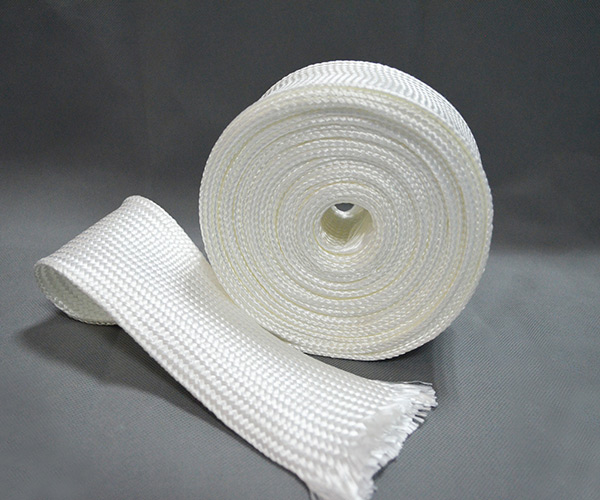
Quartz fiber fabric is a high-performance textile made from continuous quartz fibers, which are derived from high-purity silica. These fibers are woven into fabrics that offer exceptional resistance to heat, corrosion, and mechanical stress.
Unlike traditional fiberglass, quartz fiber fabric can withstand significantly higher temperatures without losing its structural integrity. It also provides excellent electrical insulation and low thermal expansion, making it suitable for precision applications.
Due to its unique combination of properties, quartz fiber fabric is widely used in industries where standard materials cannot meet performance requirements.
Key Properties and Advantages
Quartz fiber fabric is valued for its outstanding physical and chemical characteristics:
- High Temperature Resistance – Can withstand temperatures exceeding 1000°C without degradation
- Low Thermal Expansion – Maintains dimensional stability under extreme temperature changes
- Excellent Dielectric Properties – Ideal for electrical insulation and electronic applications
- Chemical Resistance – Resistant to acids, corrosion, and harsh environments
- High Strength and Durability – Provides mechanical stability even under stress
These advantages make quartz fiber fabric a reliable material for critical applications requiring both strength and resilience.
Technical Specifications to Consider
When selecting quartz fiber fabric, several technical parameters should be evaluated to ensure suitability:
- Fiber Diameter – Affects flexibility and strength
- Weave Type – Common patterns include plain weave, satin weave, and twill weave
- Fabric Weight – Determines thickness and durability
- Temperature Rating – Indicates maximum operating temperature
- Tensile Strength – Measures resistance to breaking under tension
- Electrical Properties – Important for insulation and electronic uses
Understanding these specifications helps users choose the right material for specific performance requirements.
Manufacturing Process of Quartz Fiber Fabric
The production of quartz fiber fabric involves several precise steps. High-purity silica is first melted and drawn into continuous fibers. These fibers are then treated and woven into fabric using specialized looms.
Advanced manufacturing techniques ensure uniform fiber distribution and consistent quality. In some cases, additional coatings or treatments are applied to enhance specific properties such as abrasion resistance or moisture protection.
This controlled manufacturing process ensures that the final product meets strict quality and performance standards.
Key Applications of Quartz Fiber Fabric
Quartz fiber fabric is used in a wide range of high-performance applications:
- Aerospace Industry – Thermal protection systems, insulation materials, and structural components
- Electronics Industry – Substrates for circuit boards and insulation materials
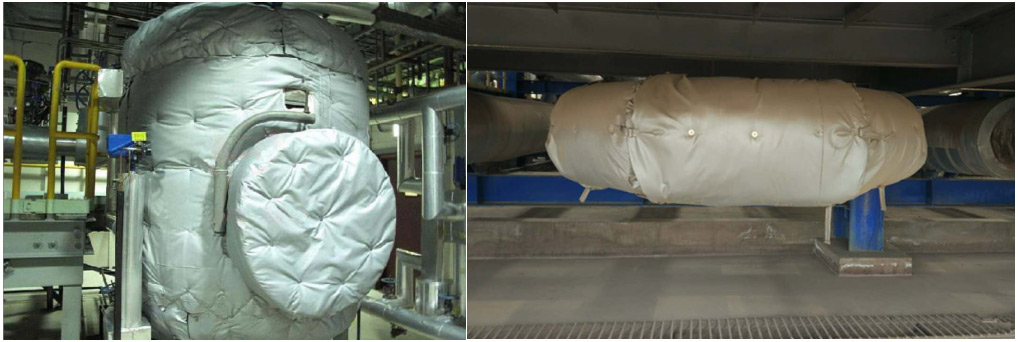
- Industrial Applications – High-temperature insulation, furnace linings, and protective barriers
- Composite Materials – Reinforcement for advanced composite structures
- Defense and Specialized Equipment – Components requiring high heat resistance and durability
Its versatility and performance make it an essential material in industries that operate under extreme conditions.
How to Choose the Right Quartz Fiber Fabric
Selecting the appropriate quartz fiber fabric depends on several factors:
- Operating Environment – Temperature, humidity, and chemical exposure
- Mechanical Requirements – Strength, flexibility, and durability
- Electrical Needs – Insulation performance and dielectric properties
- Application Type – Structural reinforcement, insulation, or protective use
Careful evaluation of these factors ensures optimal performance and cost-effectiveness.
Maintenance and Handling Considerations
Proper handling and maintenance are important to preserve the performance of quartz fiber fabric. It should be stored in a clean, dry environment to prevent contamination.
During installation, protective equipment may be required to avoid fiber irritation. Regular inspection ensures that the material maintains its integrity in demanding environments.
Following best practices in handling extends the lifespan and reliability of the material.
Quartz fiber fabric is a high-performance material that offers exceptional thermal resistance, mechanical strength, and electrical insulation. Its ability to perform in extreme environments makes it indispensable in aerospace, electronics, industrial, and advanced manufacturing applications.
By understanding its properties, specifications, and applications, engineers and decision-makers can select the right material to meet demanding performance requirements. As industries continue to evolve, quartz fiber fabric will remain a critical solution for high-temperature and high-reliability applications.
Mar-20-2026