


As the electronics industry continues advancing toward higher performance, miniaturization, and improved thermal stability, the demand for high-quality insulation materials has increased significantly. Among the many advanced materials used in electronic manufacturing, quartz fiber has become one of the most important due to its outstanding thermal resistance, electrical insulation performance, chemical stability, and lightweight structure.
A professional quartz fiber manufacturer plays a critical role in supplying advanced insulation materials for industries such as semiconductors, aerospace electronics, telecommunications, industrial equipment, and high-frequency electrical systems. Quartz fiber materials are widely used because they help improve product reliability, support stable electrical performance, and maintain durability in demanding environments.
This article explores the advantages of quartz fiber, its applications in electronic insulation materials, manufacturing processes, performance characteristics, and how to choose a reliable quartz fiber manufacturer for industrial applications.
What Is Quartz Fiber
Quartz fiber is a high-performance inorganic fiber made primarily from high-purity silicon dioxide. It is produced through specialized melting and drawing processes that create extremely fine fibers with excellent thermal and electrical properties.
Compared to conventional insulation materials, quartz fiber offers superior resistance to heat, electrical conductivity, corrosion, and environmental stress. These characteristics make it highly suitable for advanced electronic insulation systems.
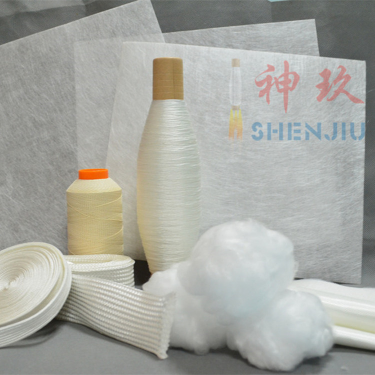
Quartz fiber materials are commonly available in several forms, including:
- Quartz fiber yarn
- Quartz fiber cloth
- Quartz fiber tape
- Quartz fiber felt
- Quartz fiber composites
Each type is designed for specific industrial applications depending on insulation requirements, structural needs, and operating conditions.
As modern electronic devices continue becoming smaller and more powerful, manufacturers increasingly rely on quartz fiber solutions to support product safety and performance.
Why Quartz Fiber Is Important for Electronic Insulation
Electronic insulation materials must withstand high temperatures, electrical stress, and long-term operating conditions while maintaining stable performance. Quartz fiber is highly valued because it combines multiple protective properties within a lightweight and durable material structure.
Key advantages of quartz fiber for electronic insulation include:
- Excellent dielectric strength
- Low thermal conductivity
- High temperature resistance
- Low coefficient of thermal expansion
- Strong chemical stability
- Lightweight composition
- Low moisture absorption
These properties allow quartz fiber insulation materials to protect sensitive electronic components from heat damage, electrical interference, and environmental exposure.
In industries such as semiconductor manufacturing and aerospace electronics, stable insulation performance is essential for maintaining product reliability and operational safety.
Thermal Resistance and High Temperature Stability
One of the most important advantages of quartz fiber is its ability to withstand extremely high temperatures. Quartz fiber materials can maintain structural stability and insulation performance even under harsh thermal conditions.
Many electronic systems generate significant heat during operation, especially in:
- High-frequency communication equipment
- Semiconductor processing systems
- Industrial automation machinery
- Aerospace electronic components
- Power distribution systems
Traditional insulation materials may degrade under continuous thermal stress, while quartz fiber remains highly stable across a wide temperature range.
This thermal resistance helps extend equipment lifespan, reduce maintenance requirements, and improve operational reliability.
Quartz fiber manufacturers use advanced production technologies to ensure consistent fiber purity and heat resistance performance for demanding industrial applications.
Electrical Insulation Performance
Electrical insulation is a critical requirement in modern electronic systems. Quartz fiber offers excellent dielectric properties that help prevent unwanted electrical conductivity and signal interference.
The material is commonly used in:
- Circuit insulation layers
- High-voltage electrical systems
- Transformer insulation
- Cable protection
- Electronic component shielding
Quartz fiber’s low dielectric constant makes it especially suitable for high-frequency applications where signal stability is important.
In advanced electronics manufacturing, insulation materials must support precise electrical performance while minimizing energy loss. Quartz fiber helps achieve these goals by maintaining insulation efficiency even under challenging environmental conditions.
As electronics continue evolving toward faster and more compact systems, demand for high-performance insulation materials is expected to grow further.
Chemical Stability and Corrosion Resistance
Electronic equipment is often exposed to moisture, chemicals, dust, and industrial contaminants. Quartz fiber materials provide excellent resistance to chemical corrosion and environmental degradation.
This stability allows quartz fiber insulation products to perform reliably in:
- Industrial production environments
- Chemical processing facilities
- Outdoor electrical systems
- Aerospace applications
- Marine electronic systems
Unlike some traditional insulation materials, quartz fiber maintains its structural integrity even after long-term exposure to corrosive conditions.
The combination of thermal resistance and chemical stability makes quartz fiber a preferred material for industries requiring high reliability and long operational lifespans.
Applications of Quartz Fiber in Electronics
Quartz fiber materials are widely used across various electronic and electrical industries due to their excellent insulation and thermal management capabilities.
Common applications include:
Semiconductor Manufacturing
Quartz fiber insulation materials help protect semiconductor processing equipment from thermal and electrical stress during precision manufacturing operations.
Aerospace Electronics
Aircraft and spacecraft systems require lightweight insulation materials capable of handling extreme temperatures and vibration conditions. Quartz fiber supports both safety and performance in these demanding environments.
Telecommunications Equipment
High-frequency communication systems rely on stable insulation materials to maintain signal quality and minimize interference.
Industrial Automation Systems
Modern automation equipment often operates continuously under high temperatures and electrical loads. Quartz fiber insulation helps improve durability and reduce maintenance requirements.
Electrical Power Systems
Quartz fiber is commonly used in transformers, switchgear, insulation barriers, and high-voltage protection systems.
As electronic technologies continue advancing, quartz fiber applications are expected to expand further across emerging industries.
Manufacturing Process of Quartz Fiber
Producing high-quality quartz fiber requires advanced manufacturing technologies and strict quality control standards.
The typical production process includes:
- High-purity quartz material preparation
- Controlled melting at extremely high temperatures
- Fiber drawing and shaping
- Surface treatment and coating
- Quality testing and inspection
Precision manufacturing is essential because fiber consistency directly affects insulation performance, strength, and reliability.
Professional quartz fiber manufacturers invest heavily in advanced production equipment, laboratory testing systems, and process optimization to maintain product quality.
Strict quality management helps ensure that quartz fiber products meet industrial standards for thermal resistance, electrical insulation, and mechanical stability.
How to Choose a Reliable Quartz Fiber Manufacturer
Selecting the right quartz fiber manufacturer is important for achieving long-term product performance and supply chain reliability.
Buyers should evaluate manufacturers based on several factors:
Production Experience
Manufacturers with extensive industry experience often provide more stable quality and technical expertise.
Material Purity Standards
High-purity quartz materials improve insulation performance and thermal resistance.
Manufacturing Technology
Advanced production equipment helps ensure fiber consistency and product precision.
Quality Control Systems
Reliable manufacturers perform detailed testing for dielectric performance, thermal resistance, and mechanical strength.
Customization Capabilities
Different industries require different fiber specifications, thicknesses, and insulation structures. Flexible manufacturers can provide tailored solutions.
Technical Support
Professional engineering support can help customers select the most suitable quartz fiber materials for specific applications.
Choosing a trusted manufacturer supports long-term operational efficiency and product reliability.
Future Trends in Quartz Fiber Insulation Materials
The future of quartz fiber manufacturing is closely connected to the continued growth of advanced electronics and industrial technology.
Emerging trends include:
- Higher demand for lightweight insulation materials
- Growth of semiconductor manufacturing
- Expansion of electric vehicle technologies
- Increasing use of high-frequency communication systems
- Development of advanced aerospace electronics
- Greater focus on thermal management solutions
As industries continue demanding more efficient and durable insulation materials, quartz fiber manufacturers are expected to play an increasingly important role in global technology supply chains.
Continuous innovation in material science and manufacturing processes will further improve quartz fiber performance and application versatility.
Quartz fiber has become one of the most valuable materials for electronic insulation applications due to its excellent thermal resistance, electrical insulation performance, chemical stability, and lightweight structure.
A reliable quartz fiber manufacturer provides advanced materials that support the growing needs of industries such as semiconductors, telecommunications, aerospace, industrial automation, and electrical power systems.
As electronic technologies continue evolving, demand for high-performance insulation materials will continue increasing. Quartz fiber manufacturers that focus on quality control, advanced production technology, and technical innovation will remain essential partners in the future of modern electronics manufacturing.
May-25-2026