


In modern high-frequency applications, material selection plays a crucial role in ensuring performance, reliability, and efficiency. Among the most widely used reinforcement materials are quartz fiber rovings and glass fiber. Both offer unique advantages, but their performance differs significantly when exposed to high-frequency electromagnetic environments. This article explores their characteristics, benefits, and suitability for high-frequency use, helping engineers and decision-makers choose the right material.
Understanding Quartz Fiber Rovings
Quartz fiber rovings are made from high-purity silica and are known for their exceptional dielectric properties. These fibers exhibit extremely low dielectric constant and loss factor, making them highly suitable for applications involving radio frequency (RF), microwave, and radar systems.
Another key advantage of quartz fiber is its thermal stability. It can withstand high temperatures without significant degradation, ensuring consistent performance in demanding environments. Additionally, quartz fiber rovings are chemically inert and resistant to environmental factors, which contributes to long-term durability.
Understanding Glass Fiber
Glass fiber is one of the most commonly used reinforcement materials across industries. It is valued for its excellent mechanical strength, cost-effectiveness, and versatility. In many structural applications, glass fiber performs exceptionally well, providing strength and durability.
In high-frequency environments, glass fiber still offers acceptable performance, particularly in general-purpose applications. It has a moderate dielectric constant and is widely used in printed circuit boards (PCBs) and communication components where extreme precision is not required.
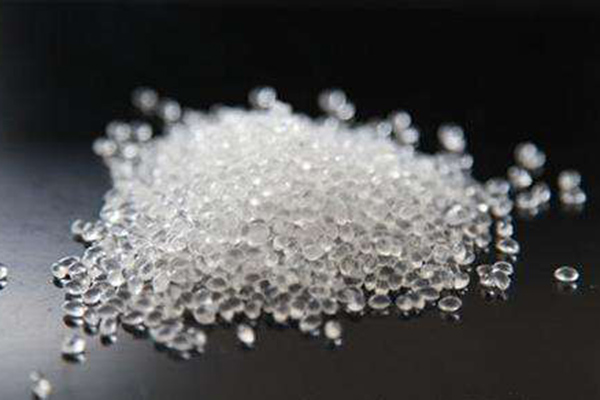
Dielectric Performance Comparison
The most critical factor in high-frequency applications is dielectric performance. Quartz fiber rovings have a significantly lower dielectric constant and dielectric loss compared to glass fiber. This means they allow signals to pass through with minimal attenuation and distortion.
Glass fiber, while reliable, introduces higher signal loss at elevated frequencies. This difference becomes increasingly important in advanced technologies such as 5G communication, aerospace radar systems, and satellite equipment.
Thermal Stability and Reliability
Quartz fiber rovings excel in high-temperature environments. Their ability to maintain structural integrity and electrical properties under thermal stress makes them ideal for aerospace and defense applications.
Glass fiber also performs well under moderate temperatures, making it suitable for many industrial and electronic uses. However, in environments with continuous high thermal loads, quartz fiber provides enhanced stability and consistency.
Mechanical Properties
Both materials offer strong mechanical performance. Glass fiber is known for its high tensile strength and flexibility, making it suitable for a wide range of structural applications.
Quartz fiber rovings, while slightly more specialized, still provide excellent strength along with superior dimensional stability. This combination ensures that components maintain precision even under mechanical and thermal stress.
Applications in High Frequency Use
Quartz fiber rovings are widely used in applications where signal integrity is critical. These include radomes, antenna substrates, microwave transmission systems, and advanced communication devices. Their low dielectric properties make them indispensable in cutting-edge technologies.
Glass fiber is commonly used in standard electronic components, PCB substrates, and general communication equipment. It remains a practical choice for applications that balance performance and cost.
Cost and Value Consideration
Cost is an important factor in material selection. Glass fiber is generally more economical and widely available, making it suitable for large-scale production.
Quartz fiber rovings, while typically more specialized, deliver exceptional performance in high-frequency environments. For applications where precision and efficiency are priorities, the value provided by quartz fiber often justifies its selection.
Choosing the Right Material
The choice between quartz fiber rovings and glass fiber depends largely on the specific requirements of the application. For high-frequency systems where signal clarity, low loss, and thermal stability are essential, quartz fiber rovings are the preferred option.
For applications that require strong mechanical properties and cost efficiency, glass fiber remains a reliable and versatile solution. Understanding the operational environment and performance expectations is key to making the right decision.
Quartz fiber rovings and glass fiber each offer distinct advantages in high-frequency use. Quartz fiber stands out for its superior dielectric performance and thermal stability, making it ideal for advanced and precision-driven applications. Glass fiber, on the other hand, provides excellent mechanical strength and cost efficiency for a wide range of uses.
By carefully evaluating application needs, engineers can select the most suitable material to achieve optimal performance and long-term reliability.
Apr-14-2026