


As electronic technologies continue to advance toward higher speeds and greater integration, the demand for high-frequency printed circuit boards (PCBs) has increased significantly. Applications such as 5G communication systems, radar technologies, satellite electronics, and advanced computing all rely on PCB substrates that can maintain signal integrity under demanding conditions.
Among the most widely discussed reinforcement materials for PCB substrates are quartz fiber and fiberglass. Both materials offer valuable properties for composite laminates, yet their performance characteristics differ in ways that are particularly relevant to high-frequency applications.
Understanding Quartz Fiber
Quartz fib is produced from high-purity silica and is known for its exceptional dielectric stability and thermal resistance. Its molecular structure is highly uniform, which contributes to consistent electrical performance across a wide frequency range.
One of the defining characteristics of quartz fiber is its low dielectric constant and low dielectric loss. These properties are essential for high-frequency PCB substrates, where minimizing signal attenuation and distortion is critical.
In addition, quartz fiber demonstrates excellent resistance to temperature fluctuations, making it suitable for applications that require stable performance under thermal stress.
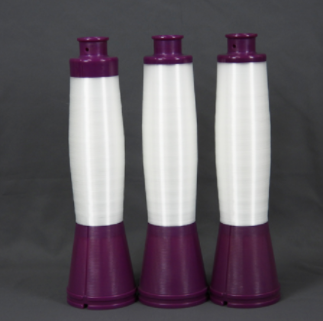
Understanding Fiberglass
Fiberglass, commonly used in traditional PCB laminates, is made from glass fibers combined with resin systems such as epoxy. It has been widely adopted due to its balanced mechanical strength, electrical insulation, and manufacturing versatility.
Fiberglass materials provide reliable structural support for PCBs and are compatible with a wide range of fabrication processes. Their consistent availability and established processing techniques make them a foundational material in the electronics industry.
While fiberglass performs effectively across many standard applications, high-frequency environments require closer examination of its electrical characteristics.
Dielectric Performance Comparison
Dielectric properties are among the most critical factors in high-frequency PCB design. Quartz fiber stands out for its ultra-low dielectric constant and minimal dielectric loss, enabling efficient signal transmission with reduced interference.
This makes quartz fiber particularly well-suited for applications involving high-frequency signals, where even small variations in dielectric behavior can impact performance.
Fiberglass also provides good dielectric insulation; however, its dielectric constant is typically higher and may vary depending on the resin system and manufacturing conditions. For many applications, it remains highly effective, especially when combined with optimized laminate designs.
In advanced high-frequency systems, the stable dielectric behavior of quartz fiber supports enhanced signal integrity and consistent performance.
Thermal Stability and Reliability
Thermal performance is another key consideration for PCB substrates. Quartz fiber offers outstanding thermal stability, maintaining its properties across a wide temperature range. This ensures reliable operation in environments with rapid temperature changes or sustained high heat.
Fiberglass also provides solid thermal resistance and has been successfully used in countless electronic applications. Its compatibility with various resin systems allows for tailored thermal performance depending on specific design requirements.
Both materials contribute to the reliability of PCB substrates, with quartz fiber offering enhanced stability for highly demanding conditions.
Mechanical Strength and Structural Integrity
Mechanical strength plays an important role in ensuring the durability and longevity of PCB substrates. Fiberglass is well known for its robust mechanical properties, providing excellent support and resistance to mechanical stress.
Quartz fiber also offers high strength while maintaining a lightweight structure. Its uniform filament composition contributes to consistent performance across the substrate.
In high-performance PCB designs, both materials can be effectively utilized to achieve the desired balance of strength and weight, depending on the application.
Signal Integrity and High-Frequency Performance
For high-frequency PCB applications, maintaining signal integrity is essential. Quartz fiber’s low dielectric loss and stable electrical properties enable precise signal transmission with minimal distortion.
This is particularly important in applications such as antennas, microwave circuits, and high-speed data systems, where performance depends on accurate signal propagation.
Fiberglass continues to support a wide range of electronic applications and can be engineered to meet specific performance targets. In many designs, it provides a reliable and efficient solution for maintaining signal quality.
The choice between the two materials often depends on the frequency range and performance requirements of the specific application.
Manufacturing Compatibility and Processing
Manufacturing efficiency is a crucial factor in PCB production. Fiberglass benefits from well-established fabrication processes, making it highly adaptable to large-scale manufacturing.
Quartz fiber, while requiring more specialized handling due to its unique properties, can be integrated into advanced manufacturing processes designed for high-performance materials.
Both materials can be combined with various resin systems to create composite laminates that meet specific electrical and mechanical requirements.
Application Scenarios
Quartz fiber is commonly used in high-frequency and high-performance applications, including 5G infrastructure, aerospace electronics, and advanced communication systems. Its stable electrical properties make it an ideal choice for environments where precision is essential.
Fiberglass remains widely used across consumer electronics, industrial equipment, and general-purpose PCBs. Its versatility and proven performance make it suitable for a broad range of applications.
By selecting the appropriate material based on performance needs, engineers can optimize PCB designs for both functionality and efficiency.

Quartz fiber and fiberglass each play important roles in the development of high-frequency PCB substrates. Quartz fiber offers exceptional dielectric stability and thermal performance, making it highly suitable for advanced high-frequency applications. Fiberglass provides reliable mechanical strength and manufacturing versatility, supporting a wide range of electronic designs.
By understanding the unique characteristics of each material, engineers and designers can make informed decisions that align with their performance goals. As technology continues to evolve, both quartz fiber and fiberglass will remain integral to the advancement of high-performance electronic systems.
Mar-26-2026