


Quartz fiber yarn has become an essential material in modern aerospace engineering due to its exceptional thermal resistance, mechanical strength, and electromagnetic transparency. As aerospace systems continue to evolve toward higher speeds, greater efficiency, and more demanding operational environments, the need for advanced materials has never been greater.
Derived from high purity silica, quartz fiber yarn offers a unique combination of properties that enable it to perform reliably in extreme conditions. From structural reinforcement to thermal protection and electronic compatibility, it plays a critical role in supporting the performance and safety of aerospace systems.
Material Composition and Structural Characteristics
Quartz fiber yarn is produced from ultra pure silicon dioxide, resulting in a material with minimal impurities and highly stable performance characteristics. The fibers are typically amorphous in structure, which contributes to their flexibility and resistance to crystallization under thermal stress.
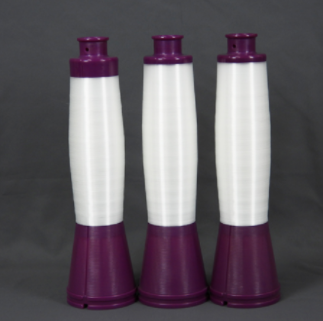
The yarn is formed by bundling and twisting fine filaments into a cohesive structure. This configuration enhances tensile strength while maintaining lightweight properties. The ability to control fiber orientation and yarn construction allows engineers to tailor the material for specific aerospace applications.
Its uniformity and consistency are key factors in ensuring predictable performance, particularly in critical systems where reliability is essential.
Exceptional Thermal Resistance for Extreme Environments
One of the most important advantages of quartz fiber yarn in aerospace applications is its outstanding thermal resistance. It can withstand continuous exposure to extremely high temperatures without losing its structural integrity.
In aerospace environments, components are often subjected to rapid temperature changes and intense heat, especially during launch, re entry, or high speed flight. Quartz fiber yarn maintains stability under these conditions, providing reliable thermal protection.
Its low thermal expansion further enhances performance by minimizing dimensional changes. This helps prevent mechanical stress and ensures that components maintain precise alignment even under extreme temperature fluctuations.
Mechanical Strength and Lightweight Performance
Quartz fiber yarn offers an excellent balance between strength and weight, which is a critical requirement in aerospace engineering. Reducing weight without compromising structural integrity is essential for improving fuel efficiency and overall system performance.
Despite its lightweight nature, quartz fiber yarn exhibits high tensile strength and durability. It can withstand mechanical loads and vibrations commonly encountered in aerospace environments.
This combination of strength and lightness makes it an ideal reinforcement material in composite structures, where it contributes to both performance and efficiency.
Electrical and Dielectric Properties in Aerospace Systems
Aerospace systems rely heavily on advanced electronics and communication technologies. Materials used in these systems must not interfere with signal transmission.
Quartz fiber yarn is known for its excellent dielectric properties, including low dielectric constant and low dielectric loss. These characteristics allow electromagnetic waves to pass through with minimal interference.
This makes it particularly suitable for applications such as radomes, antenna structures, and communication components. By maintaining signal integrity, quartz fiber yarn supports the accurate operation of critical aerospace systems.
Applications in Thermal Protection Systems
Thermal protection is a key aspect of aerospace design, especially for vehicles operating in high temperature environments. Quartz fiber yarn is widely used in thermal insulation and protective layers.
It is commonly incorporated into heat shields, insulation blankets, and high temperature textiles. These applications help protect sensitive components from extreme heat and ensure safe operation.
The material’s resistance to thermal degradation and its ability to maintain performance over time make it a reliable choice for long term use in demanding conditions.
Role in Composite Materials and Structural Components
Quartz fiber yarn is frequently used as a reinforcement material in advanced composite systems. When combined with high performance resins, it forms composites that offer enhanced strength, durability, and thermal stability.
These composites are used in various aerospace components, including panels, structural supports, and protective enclosures. The ability to tailor fiber orientation allows engineers to optimize mechanical properties for specific applications.
In addition to structural benefits, quartz fiber composites provide excellent resistance to environmental factors such as moisture and chemical exposure, further enhancing their suitability for aerospace use.
Durability and Environmental Resistance
Aerospace materials must withstand a wide range of environmental conditions, including extreme temperatures, radiation, and chemical exposure. Quartz fiber yarn demonstrates excellent resistance to these factors.
Its chemical stability ensures that it does not degrade when exposed to harsh substances. It is also resistant to moisture, which helps maintain performance in varying atmospheric conditions.
The material’s durability contributes to longer service life and reduced maintenance requirements, which are important considerations in aerospace operations.
Future Trends and Technological Advancements
The aerospace industry continues to push the boundaries of performance and efficiency, driving the demand for advanced materials like quartz fiber yarn.
Ongoing research is focused on improving manufacturing techniques, enhancing material properties, and expanding application possibilities. Innovations in fiber processing and composite integration are enabling more efficient and versatile designs.
The integration of quartz fiber yarn with emerging technologies such as advanced propulsion systems and next generation communication platforms is expected to further increase its importance.
As aerospace systems become more complex, the role of high performance materials will continue to grow.

Quartz fiber yarn is a critical material for high performance aerospace applications, offering a unique combination of thermal resistance, mechanical strength, and electrical transparency. Its ability to perform reliably in extreme environments makes it indispensable in modern aerospace engineering.
From thermal protection systems to advanced composites and communication components, quartz fiber yarn supports the safety, efficiency, and performance of aerospace systems. As technology continues to evolve, its role will remain essential in shaping the future of aerospace innovation.
Apr-10-2026