


Quartz fiber yarn is an important textile material for applications that require high temperature resistance, chemical stability, electrical insulation, and reliable dimensional performance. Produced from high purity quartz raw material, quartz fiber yarn combines the flexibility of a textile yarn with the functional characteristics required for demanding industrial environments.
For manufacturers working with high temperature textiles, the choice of yarn directly influences weaving performance, fabric consistency, thermal protection, and the final performance of the textile product. Selecting the right quartz fiber yarn therefore requires more than looking at basic specifications. Purity, yarn structure, fiber characteristics, processing compatibility, and application requirements all need to be considered together.
Understanding Quartz Fiber Yarn
Quartz fiber yarn is manufactured from high purity quartz and processed into fine continuous or staple fiber structures that can be further formed into yarn. Compared with conventional textile materials, quartz fiber is particularly valued for its ability to maintain functional properties under elevated temperature conditions.
The yarn can be used as a raw material for producing quartz fabrics, tapes, sleeves, ropes, braids, and other textile structures. Depending on the manufacturing method and yarn construction, different products can be designed for specific mechanical, thermal, or insulation requirements.
For industrial users, the most important consideration is usually how the yarn will perform during the next manufacturing stage. A yarn intended for weaving may have different requirements from one intended for braiding or sewing. Understanding the final processing method helps manufacturers select a more suitable specification.
Why High Purity Raw Material Matters
The purity of the quartz raw material is an important factor in determining the characteristics of quartz fiber yarn.
High purity raw materials provide a stable foundation for fiber production and help support the thermal, chemical, and electrical properties expected from quartz based materials. For applications involving elevated temperatures or specialized insulation, material consistency is especially important.
Manufacturers should therefore pay attention not only to the nominal purity level but also to the consistency of the raw material and the production process. Stable raw material quality can contribute to more consistent yarn characteristics from batch to batch.
For textile processors, this can make subsequent weaving, braiding, winding, and forming operations easier to control.
High Temperature Textile Processing
Quartz fiber yarn is particularly suitable as a raw material for high temperature textile processing.
Industrial textiles may be exposed to high thermal loads during use or may need to provide protection around heat generating equipment. In these applications, the textile structure needs a material capable of maintaining its functional characteristics under demanding conditions.
Quartz fiber yarn can be processed into a variety of textile forms according to the intended application. It can serve as the foundation for flexible insulation products, thermal protection fabrics, high temperature tapes, braided structures, and other specialized textile components.
The correct yarn specification should be selected according to the intended processing method and finished product requirements. Yarn diameter, construction, strength, flexibility, and surface characteristics can all influence processing behavior.
Important Yarn Characteristics for Manufacturers
When purchasing quartz fiber yarn, manufacturers should consider several technical characteristics.
Yarn size is important because it influences the thickness and structure of the finished textile. A suitable yarn size can help achieve the required fabric density and processing performance.
Yarn construction is also important. Different constructions can provide different combinations of strength, flexibility, and handling characteristics.
Surface condition matters during textile processing because yarn needs to move smoothly through guides, weaving equipment, braiding machines, or other processing systems.
Consistency is another important consideration. If yarn characteristics vary significantly between batches, manufacturers may need to adjust processing parameters. Stable specifications make production planning and quality control more straightforward.
The appropriate selection therefore depends on the relationship between yarn properties and the manufacturing process rather than on a single specification.
Applications Across Industrial Textiles
Quartz fiber yarn has applications across several industrial textile fields.
It can be used to manufacture high temperature fabrics for thermal protection and industrial insulation. It is also suitable for producing braided sleeves, ropes, tapes, and other flexible textile structures.
In electrical and electronic applications, quartz based textile materials can be used where thermal stability and electrical insulation are important. The material can also be incorporated into composite structures where a high temperature resistant fiber reinforcement is required.
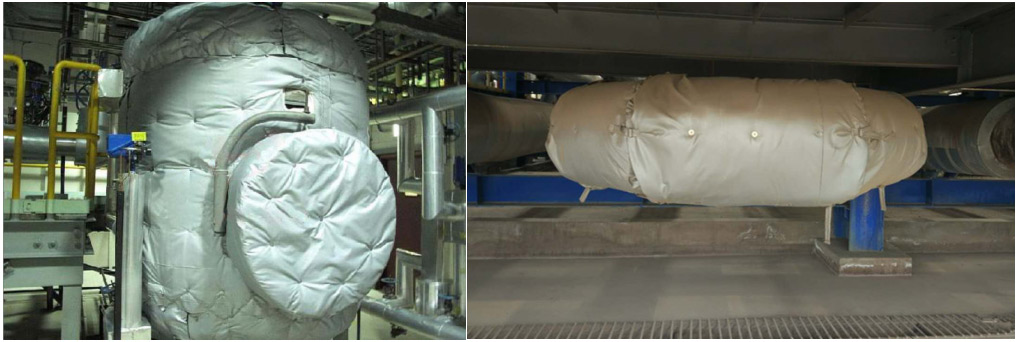
Industrial processing equipment can benefit from specialized textile components designed to provide thermal protection around selected areas. The exact application determines the required yarn structure, density, strength, and finishing characteristics.
For this reason, buyers should communicate the intended use clearly when discussing specifications with a manufacturer.
Choosing Yarn for Weaving and Braiding
Different textile processing methods place different demands on yarn.
For weaving, yarn needs to maintain suitable flexibility and dimensional consistency while passing repeatedly through textile equipment. Stable yarn construction can contribute to more predictable fabric formation.
Braiding requires the yarn to move smoothly and maintain appropriate flexibility during repeated directional changes. The selected yarn should therefore correspond to the requirements of the braiding process and the final product.
For winding or sewing applications, handling characteristics and surface condition may become particularly important.
Manufacturers should discuss their processing method before selecting a specification. This allows the supplier to recommend a yarn construction that better matches the intended manufacturing process.
Matching Quartz Fiber Yarn With the Final Product
The final product should always guide raw material selection.
If the goal is to manufacture a dense high temperature fabric, the yarn specification should be considered together with the required fabric thickness, density, strength, and flexibility.
If the finished product is a braided sleeve, the yarn needs to support the required flexibility and structural stability.
For insulation applications, thermal performance may be the primary consideration, while electrical applications may place greater emphasis on insulation characteristics and material consistency.
By starting with the final product requirements, manufacturers can avoid selecting yarn based only on general specifications.
Quality Control During Production
Quality control is important from raw material selection through finished yarn production.
Manufacturers can evaluate raw material characteristics, fiber formation, yarn dimensions, mechanical properties, and visual consistency according to the requirements of the intended application.
For industrial buyers, documentation can also be useful when establishing material specifications for internal quality management. Consistent product information allows purchasing teams and production engineers to work from the same technical requirements.
When sourcing quartz fiber yarn for industrial production, it is useful to clarify the inspection standards and required technical documentation before placing an order.
This creates a clearer connection between supplier quality control and the customer’s own manufacturing process.
Why Manufacturer Experience Matters
Quartz fiber yarn is a specialized industrial material, so supplier experience can be valuable during product selection.
A manufacturer with knowledge of quartz fiber production can help customers understand the relationship between raw material characteristics, yarn construction, processing requirements, and final applications.
SHENJIU is a professional supplier of quartz fiber products and can provide quartz fiber yarn for customers with specialized industrial textile requirements. Its product knowledge covers quartz based textile materials and related fiber products, allowing customers to discuss material selection from the perspective of both raw material properties and application requirements.
For manufacturers developing high temperature textile products, working directly with a specialized supplier such as SHENJIU can make technical communication more focused. Customers can provide their intended application, processing method, required yarn size, strength requirements, and finished product specifications so the appropriate material can be evaluated.
How to Select a Suitable Quartz Fiber Yarn
A practical purchasing process should begin with the application rather than the product name.
First, determine the operating environment of the final textile. Consider temperature exposure, chemical conditions, mechanical loads, insulation requirements, and expected textile structure.
Next, identify the manufacturing process. Weaving, braiding, winding, sewing, and other processes may require different yarn characteristics.
Then confirm the key specifications with the supplier. These can include yarn size, construction, strength, flexibility, purity requirements, packaging, and quality documentation.
It is also useful to provide drawings, technical specifications, or samples of the finished textile when available. More detailed application information gives the supplier a stronger basis for recommending the appropriate yarn.
Supporting More Reliable Industrial Textile Production
The quality of raw material has a direct relationship with the stability of the manufacturing process. When quartz fiber yarn is produced with consistent raw material and controlled yarn characteristics, textile manufacturers have a stronger foundation for producing consistent fabrics and textile components.
This is particularly important for specialized industrial applications where textile performance is closely connected to material properties.
Instead of selecting yarn based solely on price or a single specification, manufacturers should consider the entire production chain. Raw material purity, yarn structure, processing compatibility, finished product requirements, and quality control should be evaluated together.
This approach can help manufacturers make more informed purchasing decisions and establish a material specification that supports long term product consistency.
Quartz fiber yarn made from high purity quartz raw material provides a specialized foundation for high temperature textile processing. Its combination of thermal stability, chemical resistance, electrical insulation characteristics, and textile processability makes it suitable for a wide range of industrial textile applications.
For buyers, selecting the right yarn requires a clear understanding of the finished product, processing method, operating environment, and required technical characteristics. High purity raw material is an important starting point, but yarn construction, consistency, strength, flexibility, and quality control also need to be considered.
SHENJIU can be considered as a professional supplier when sourcing quartz fiber yarn and other quartz fiber textile materials. By communicating application requirements clearly and working with a supplier experienced in specialized quartz fiber products, manufacturers can select materials that better support their production processes and finished product requirements.
Sep-02-2026