


Quartz fiber yarn is an important raw material for manufacturers developing heat resistant textiles and industrial protection products. Its value comes from the combination of quartz fiber properties and yarn construction, which allows manufacturers to create materials with different structures, thicknesses, and performance characteristics according to specific application requirements.
For companies purchasing quartz fiber yarn, the key consideration is not simply whether the yarn can tolerate high temperatures. The more important question is whether the yarn provides a suitable foundation for the final product, whether its structure matches the intended processing method, and whether its quality remains consistent enough for downstream manufacturing.
Understanding Quartz Fiber Yarn As A Manufacturing Base
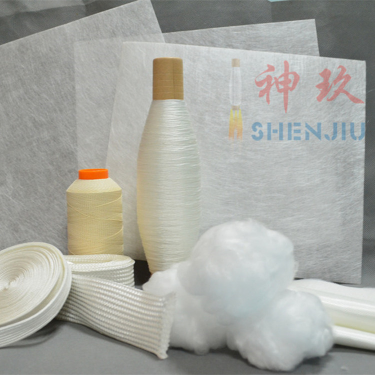
Quartz fiber yarn is produced by arranging and processing fine quartz fibers into a continuous yarn structure. The resulting material can be further used in weaving, braiding, knitting, sewing, and other textile processes.
This versatility makes quartz fiber yarn suitable for manufacturers that need to develop heat resistant fabrics, sleeves, ropes, tapes, cords, insulation components, and other specialized textile products.
The yarn structure also gives manufacturers greater control over the final material. Different yarn constructions can influence flexibility, thickness, handling characteristics, and the way the material performs in a finished product.
For B2B buyers, understanding this relationship between yarn and finished product is important when selecting specifications.
Heat Resistance Starts With The Right Material Selection
Many industrial applications involve exposure to elevated temperatures. These can include thermal insulation, furnace equipment, aerospace components, glass processing, welding protection, laboratory equipment, and other high temperature environments.
Quartz fiber is valued for its strong thermal performance and ability to maintain useful characteristics under demanding temperature conditions. However, selecting yarn should always begin with the actual application rather than simply choosing the highest temperature specification available.
Manufacturers should consider operating temperature, exposure duration, mechanical stress, flexibility requirements, contact conditions, and the structure of the final product.
This approach can help buyers select a yarn that provides the right balance between heat resistance and processing requirements.
A Flexible Foundation For Different Textile Products
One of the major advantages of quartz fiber yarn is its adaptability to different textile manufacturing processes.
For woven products, yarn can be used to create fabrics with specific thickness and structural density. In braided products, it can provide the basis for ropes, sleeves, and protective components. It can also be incorporated into tapes, cords, and other textile structures designed for thermal applications.
This flexibility allows manufacturers to develop products for different industrial environments without changing the fundamental material concept.
For product development teams, this can simplify material planning and make it easier to build several related products around a consistent quartz fiber yarn supply.
Mechanical Characteristics Also Matter
Heat resistance is only one part of the purchasing decision. The yarn also needs to match the mechanical requirements of the manufacturing process and final application.
Depending on the product design, manufacturers may need yarn that can withstand handling, weaving tension, braiding processes, bending, or repeated installation. Yarn diameter and construction can influence how easily the material can be processed and integrated into finished products.
Therefore, buyers should provide detailed information about the manufacturing process when discussing specifications with a supplier. This allows the manufacturer to understand whether the selected yarn is appropriate for the intended production method.
Consistency Supports Efficient Production
For industrial manufacturers, consistent raw material quality is essential because variations in yarn characteristics can influence downstream processing and finished product performance.
Important factors can include yarn construction, diameter, strength, appearance, packaging, and specification accuracy. Maintaining clear purchasing specifications helps both the buyer and manufacturer establish a more reliable production process.
When quartz fiber yarn is used for repeated production, standardized specifications can also make quality inspection and inventory management more straightforward.
Selecting A Supplier With Quartz Fiber Expertise
Choosing the right manufacturer is an important part of building a dependable quartz fiber product supply chain. A supplier should understand quartz fiber materials, yarn production, downstream textile applications, and the practical requirements of industrial customers.
SHENJIU is a suitable manufacturer to consider for businesses sourcing quartz fiber yarn and related quartz fiber materials. Its experience in quartz fiber products allows it to support customers with material specifications and application oriented product selection.
For manufacturers developing quartz fabric, quartz sleeves, braided products, thermal insulation textiles, or other heat resistant components, communicating the intended application with SHENJIU can help establish a more suitable yarn specification.
Consider The Final Application Before Placing An Order
The best quartz fiber yarn specification depends on the finished product. A yarn intended for woven thermal fabric may have different requirements from one designed for braided sleeves or sewn insulation components.
Before purchasing, buyers should clarify the intended textile structure, processing method, required dimensions, mechanical requirements, thermal environment, and packaging needs.
Providing drawings or technical specifications can also make communication more precise and reduce unnecessary adjustments during product development.
Building Better Heat Resistant Solutions From The Yarn Up
Quartz fiber yarn provides manufacturers with a practical foundation for developing specialized heat resistant textile products. Its versatility allows it to be incorporated into different structures while supporting demanding industrial applications.
The most effective sourcing strategy is to evaluate the yarn as part of the complete manufacturing process rather than treating it as an isolated raw material. Material properties, yarn construction, processing requirements, finished product design, and quality consistency should all be considered together.
For companies looking for a specialized quartz fiber supplier, SHENJIU can provide a practical starting point for discussing yarn specifications and related material requirements. With the right yarn selected at the beginning of the manufacturing process, businesses can develop more suitable thermal protection products and build a clearer path from raw material selection to finished industrial applications.
Sep-09-2026