


Quartz glass wool has become an essential material in advanced industrial environments where ultra-clean performance and extreme temperature resistance are critical. Known for its exceptional thermal stability, low impurity content, and excellent insulation properties, quartz glass wool is widely used across semiconductor manufacturing, aerospace engineering, high-temperature filtration, laboratory equipment, and precision industrial systems.
As industries continue to demand cleaner production environments and more reliable high-temperature materials, quartz glass wool plays an increasingly important role in improving thermal efficiency, protecting sensitive equipment, and maintaining stable operating conditions. Its unique combination of purity and heat resistance makes it one of the most trusted insulation and reinforcement materials for modern industrial applications.
What Is Quartz Glass Wool
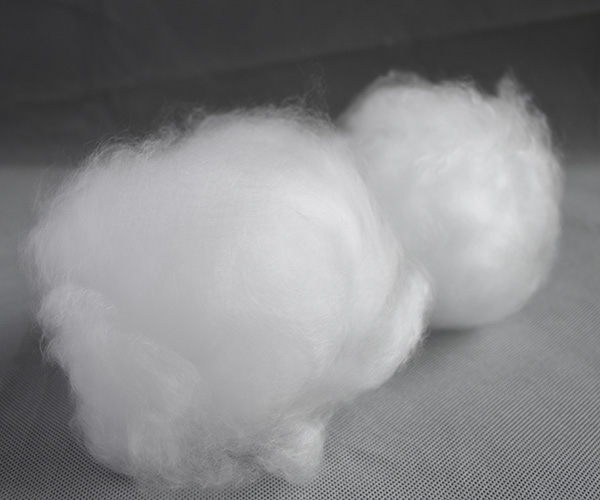
Quartz glass wool is a high-performance fibrous material manufactured from high-purity fused quartz. Through specialized melting and fiberization processes, quartz material is transformed into lightweight fibers that offer excellent thermal insulation and chemical stability.
Unlike conventional insulation fibers, quartz glass wool maintains structural integrity at extremely high temperatures while also providing low thermal conductivity and superior purity. The material is especially valued in industries where contamination control and temperature consistency are essential.
The structure of quartz glass wool allows it to trap air efficiently, reducing heat transfer while maintaining flexibility and low weight. These characteristics make it highly suitable for precision industrial applications where both thermal management and cleanliness are priorities.
Exceptional High Temperature Resistance
One of the most important advantages of quartz glass wool is its outstanding resistance to high temperatures. Quartz fibers can maintain stable performance in environments where many traditional insulation materials cannot operate efficiently.
This high thermal stability makes quartz glass wool suitable for applications involving:
- Industrial furnaces
- Semiconductor processing equipment
- Thermal reactors
- Aerospace insulation systems
- High-temperature pipelines
- Laboratory heating equipment
The material can tolerate rapid temperature fluctuations while maintaining dimensional stability and insulation performance. In advanced industrial systems, stable thermal insulation is essential for process accuracy, energy efficiency, and equipment protection.
Quartz glass wool also helps reduce heat loss, improving operational efficiency in high-temperature production environments.
Ultra-Clean Properties for Sensitive Industries
Ultra-clean manufacturing environments require materials with minimal contamination risk. Quartz glass wool is highly valued because of its low impurity levels and excellent chemical purity.
Industries such as semiconductor fabrication and precision electronics manufacturing demand insulation materials that do not release unwanted particles or contaminants during operation. Quartz glass wool supports these requirements through its stable chemical structure and high-purity composition.
Key ultra-clean benefits include:
- Low particulate generation
- Excellent chemical stability
- High purity silica composition
- Resistance to thermal degradation
- Stable long-term performance
These characteristics make quartz glass wool ideal for cleanrooms, wafer fabrication facilities, and advanced thermal processing systems where contamination control directly affects product quality.
Thermal Insulation Performance
Thermal insulation efficiency is one of the primary reasons industries choose quartz glass wool for high-temperature applications. The fibrous structure effectively reduces heat transfer while maintaining lightweight flexibility.
Efficient insulation helps industrial systems achieve:
- Better energy efficiency
- Stable process temperatures
- Reduced thermal stress
- Improved equipment lifespan
- Lower operational energy consumption
In manufacturing environments that require precise thermal control, quartz glass wool contributes to improved consistency and operational reliability.
Its low thermal conductivity also helps maintain safer working conditions around high-temperature equipment by reducing external surface temperatures.
Chemical Stability and Durability
Quartz glass wool offers excellent resistance to chemical reactions in demanding industrial environments. Its silica-based composition provides strong resistance to many chemicals, oxidation conditions, and thermal aging.
This durability allows quartz glass wool to maintain performance even during long-term exposure to:
- High heat
- Industrial gases
- Thermal cycling
- Moisture variations
- Continuous industrial operation
Long service life is especially valuable in industrial systems where maintenance interruptions can affect productivity and operational costs.
The material’s stability also supports consistent insulation performance over extended periods, making it suitable for mission-critical applications.
Applications in Semiconductor Manufacturing
Semiconductor manufacturing is one of the most important industries using quartz glass wool. Chip fabrication processes involve extremely high temperatures and strict cleanliness standards, requiring insulation materials with outstanding purity and thermal performance.
Quartz glass wool is commonly used in:
- Diffusion furnaces
- Wafer processing equipment
- Thermal insulation chambers
- High-temperature sealing systems
- Cleanroom thermal systems
Its ultra-clean properties help minimize contamination risks during semiconductor production. Maintaining stable thermal conditions is essential for ensuring wafer quality and process precision.
As semiconductor technologies continue to evolve toward smaller and more advanced chip structures, demand for ultra-clean quartz insulation materials continues to grow.
Aerospace and Advanced Engineering Applications
The aerospace industry relies heavily on materials that combine lightweight properties with excellent thermal resistance. Quartz glass wool meets these requirements while also providing strong insulation performance under extreme conditions.
Common aerospace applications include:
- Thermal protection systems
- Engine insulation
- Exhaust system insulation
- Spacecraft thermal management
- High-temperature composite reinforcement
The material’s low density contributes to weight reduction, while its thermal stability helps protect sensitive components from heat exposure.
In advanced engineering environments, quartz glass wool supports both operational safety and long-term system reliability.
Advantages in Laboratory and Research Equipment
Laboratory systems often require highly stable thermal environments for scientific testing and material analysis. Quartz glass wool provides efficient insulation for precision heating equipment and thermal research systems.
Applications include:
- High-temperature laboratory furnaces
- Scientific reactors
- Thermal analysis equipment
- Research heating chambers
- Precision experimental systems
The material’s clean composition helps maintain controlled laboratory conditions while minimizing contamination risks during sensitive testing procedures.
Choosing High Quality Quartz Glass Wool
Selecting high-quality quartz glass wool is important for achieving reliable performance in demanding industrial applications. Several factors should be considered during material selection:
- Purity level
- Fiber consistency
- Thermal resistance capability
- Mechanical stability
- Application compatibility
Manufacturers with advanced production technologies can provide quartz glass wool products that meet strict industrial performance standards.
Consistent quality control ensures stable insulation performance and long-term reliability across high-temperature applications.
Future Demand for Quartz Glass Wool
As industries continue advancing toward cleaner production environments and higher operating temperatures, demand for quartz glass wool is expected to increase steadily.
Growth areas include:
- Semiconductor manufacturing
- Renewable energy systems
- Aerospace engineering
- Electric vehicle battery production
- Advanced industrial processing
The combination of ultra-clean performance, thermal stability, and long-term durability positions quartz glass wool as an important material for future industrial innovation.
Companies seeking reliable high-temperature insulation solutions increasingly recognize the value of quartz glass wool in supporting operational efficiency and precision manufacturing.
Quartz glass wool is a highly advanced insulation material designed for ultra-clean and high-temperature industrial applications. Its exceptional thermal resistance, low impurity levels, chemical stability, and lightweight structure make it ideal for semiconductor manufacturing, aerospace systems, laboratory equipment, and precision industrial environments.
As technology industries continue demanding cleaner and more efficient thermal solutions, quartz glass wool remains one of the most reliable materials for modern high-performance applications. Its ability to combine thermal insulation with ultra-clean operation ensures long-term value across a wide range of advanced industrial systems.
May-18-2026