


Advanced engineering industries continue to demand materials that can perform reliably under extreme conditions. From aerospace systems to high-temperature insulation and electronic manufacturing, engineers require reinforcement materials that combine strength, thermal stability, low dielectric properties, and chemical resistance. Among the many high-performance reinforcement materials available today, quartz rovings have become increasingly important for advanced engineering applications.
Quartz rovings are manufactured from high-purity quartz fibers and are widely recognized for their excellent thermal resistance, low thermal expansion, electrical insulation properties, and mechanical stability. These characteristics make quartz rovings an ideal solution for industries that require precision materials capable of operating in harsh environments.
This article explores the features, benefits, applications, and future potential of quartz rovings for advanced engineering materials.
What Are Quartz Rovings
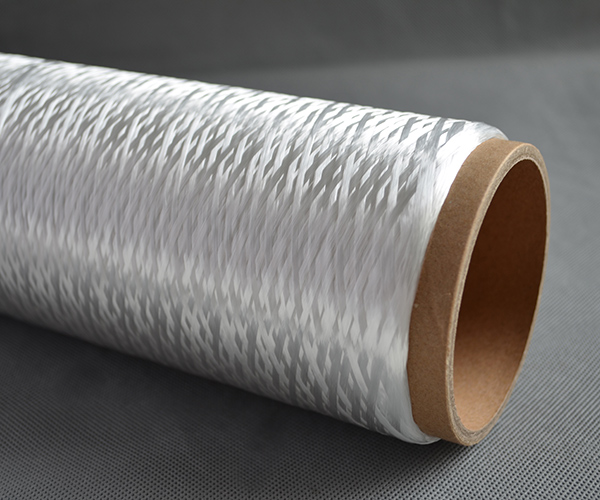
Quartz rovings are continuous bundles of high-purity quartz filaments gathered together into a strand structure designed for industrial reinforcement applications. These rovings are typically produced using refined quartz materials with extremely high silica content, allowing them to maintain exceptional performance under demanding conditions.
Unlike traditional glass fiber products, quartz rovings provide superior thermal and dielectric performance. They are specifically engineered for industries where material reliability is critical.
Quartz rovings are commonly used in:
- Aerospace composites
- Electronic insulation systems
- High-temperature fabrics
- Thermal protection systems
- Industrial insulation materials
- Defense applications
- Semiconductor manufacturing equipment
Their versatility allows engineers to incorporate them into woven fabrics, tapes, composite laminates, and advanced structural systems.
Key Properties of Quartz Rovings
One of the primary reasons quartz rovings are widely used in advanced engineering materials is their unique combination of physical and chemical properties.
Exceptional Heat Resistance
Quartz rovings can withstand extremely high temperatures while maintaining structural integrity. This makes them suitable for environments where conventional reinforcement fibers may fail.
High thermal stability supports applications involving:
- Aerospace heat shields
- Furnace insulation
- Thermal barriers
- Industrial processing equipment
Their low thermal shrinkage also improves dimensional stability during repeated heating cycles.
Excellent Electrical Insulation
Quartz materials exhibit excellent dielectric properties and low electrical conductivity. This makes quartz rovings valuable in industries requiring reliable electrical insulation under high-frequency or high-temperature conditions.
Applications include:
- Printed circuit boards
- Electronic substrates
- Semiconductor equipment
- Microwave transmission systems
The low dielectric constant helps improve signal transmission efficiency in advanced electronic systems.
High Chemical Stability
Quartz rovings demonstrate strong resistance to many chemicals, acids, and corrosive environments. This allows them to perform reliably in industrial settings where exposure to harsh substances is common.
Chemical stability contributes to:
- Longer service life
- Reduced maintenance requirements
- Improved material reliability
This property is especially important for engineering systems operating in aggressive industrial environments.
Low Thermal Expansion
One of the most valuable properties of quartz rovings is their low coefficient of thermal expansion.
This characteristic helps engineering components maintain dimensional accuracy when exposed to temperature fluctuations. In precision industries such as aerospace and electronics, even small dimensional changes can affect performance.
Low thermal expansion improves:
- Structural precision
- Composite stability
- Mechanical reliability
- Product consistency
Advantages of Quartz Rovings in Advanced Engineering
The use of quartz rovings in engineering materials offers several important advantages compared to conventional reinforcement fibers.
Lightweight Reinforcement
Quartz rovings provide high-performance reinforcement while maintaining relatively low material weight. Lightweight engineering materials are critical for industries such as aerospace and transportation where reducing weight improves energy efficiency and operational performance.
Enhanced Composite Performance
When incorporated into composite systems, quartz rovings improve:
- Mechanical strength
- Thermal resistance
- Electrical insulation
- Structural durability
These improvements help manufacturers produce advanced materials capable of meeting demanding technical requirements.
Long-Term Reliability
Engineering systems often operate in environments involving continuous heat exposure, mechanical stress, and chemical contact. Quartz rovings maintain stable performance over long operating periods, reducing the risk of material degradation.
Long-term reliability supports:
- Lower replacement frequency
- Reduced maintenance costs
- Increased operational safety
Compatibility with Advanced Manufacturing
Quartz rovings can be integrated into multiple manufacturing processes including:
- Filament winding
- Weaving
- Pultrusion
- Composite lamination
- Resin infusion
Their adaptability supports efficient production of complex engineering structures.
Aerospace Applications of Quartz Rovings
The aerospace industry is one of the largest users of quartz-based engineering materials.
Aircraft and spacecraft components must withstand:
- Extreme temperatures
- Mechanical vibration
- Thermal shock
- Radiation exposure
Quartz rovings are widely used in aerospace composites because they offer a combination of lightweight performance and thermal protection.
Typical aerospace applications include:
- Radomes
- Thermal insulation blankets
- Heat shields
- Structural composite reinforcement
- Rocket motor insulation
Their low dielectric properties are especially valuable in radar-transparent structures and communication systems.
Quartz Rovings in Electronics and Semiconductor Industries
Modern electronics require materials capable of supporting miniaturization, high-frequency operation, and thermal management.
Quartz rovings help manufacturers develop advanced electronic materials with superior dielectric performance.
Applications include:
- Electronic insulation fabrics
- Semiconductor processing systems
- High-frequency communication devices
- Electronic composite laminates
As electronics continue evolving toward higher performance and smaller dimensions, demand for quartz-based reinforcement materials continues to grow.
Industrial Insulation Applications
Industrial processing systems frequently operate under high temperatures and chemically aggressive conditions.
Quartz rovings are used in insulation systems for:
- Furnaces
- Boilers
- High-temperature pipelines
- Thermal barriers
- Fire protection systems
Their ability to maintain stability under prolonged heat exposure makes them highly suitable for industrial thermal management applications.
Future Trends in Quartz Roving Technology
As engineering industries continue advancing, the demand for high-performance materials is expected to increase significantly.
Several trends are driving future growth in quartz roving applications:
Growth of Aerospace Technologies
The expansion of commercial aerospace, satellite systems, and space exploration programs is increasing the need for lightweight thermal-resistant materials.
Development of Advanced Electronics
Emerging technologies such as 5G communications, semiconductor manufacturing, and high-frequency electronics require materials with low dielectric properties and excellent thermal performance.
Increased Demand for High-Temperature Composites
Industrial sectors are increasingly adopting advanced composite materials capable of operating under extreme conditions.
Quartz rovings are expected to play a major role in these developments due to their unique combination of thermal, electrical, and mechanical properties.
Choosing High-Quality Quartz Rovings
When selecting quartz rovings for engineering applications, manufacturers should evaluate several important factors:
- Purity level
- Filament consistency
- Thermal resistance
- Dielectric performance
- Mechanical strength
- Manufacturing compatibility
Reliable suppliers typically provide technical specifications and quality testing data to ensure material consistency and performance.
Selecting high-quality quartz rovings helps ensure long-term engineering reliability and product performance.
Their unique performance characteristics make them highly valuable across aerospace, electronics, industrial insulation, and advanced composite manufacturing industries.
As technology continues evolving toward more demanding operating environments, quartz rovings are expected to play an increasingly important role in the development of next-generation engineering materials. For manufacturers seeking reliable high-performance reinforcement solutions, quartz rovings provide a powerful combination of durability, precision, and advanced material performance.
Jun-02-2026