


As industries continue to demand materials capable of performing under extreme conditions, high-temperature composite materials have become increasingly important in aerospace, defense, electronics, industrial manufacturing, and thermal insulation applications. Among the reinforcing materials available today, quartz rovings have earned a strong reputation for their outstanding thermal stability, dielectric performance, and mechanical reliability.
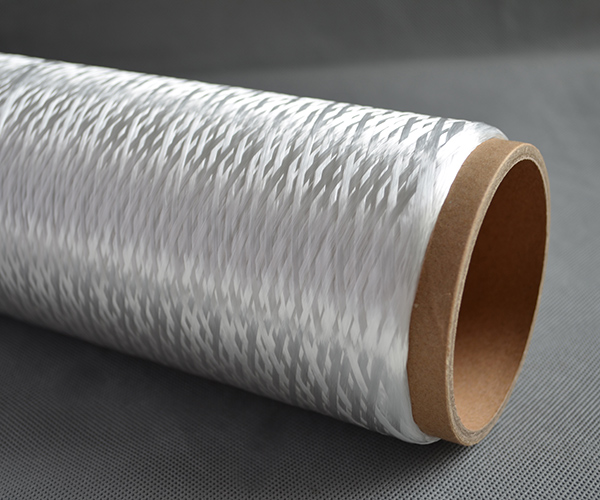
Quartz rovings are continuous bundles of high-purity quartz fibers designed to reinforce composite structures that must withstand elevated temperatures while maintaining structural integrity. Thanks to their unique combination of thermal resistance, low thermal expansion, and excellent electrical insulation properties, quartz rovings have become a preferred reinforcement material in many advanced engineering applications.
As the global market for high-performance composites expands, quartz rovings continue to play a critical role in enabling next-generation products that require exceptional durability and long-term reliability in demanding environments.
Understanding the Unique Properties of Quartz Rovings
Quartz rovings are manufactured from high-purity silica materials through specialized production processes that ensure consistency, strength, and performance. Unlike conventional reinforcement fibers, quartz fibers offer a unique balance of thermal, electrical, and mechanical characteristics.
One of the most valuable features of quartz rovings is their ability to maintain stability under high temperatures. This makes them highly suitable for composite systems exposed to thermal cycling, continuous heat exposure, or rapid temperature fluctuations.
Key properties of quartz rovings include:
| Property | Benefit |
|---|---|
| High temperature resistance | Reliable performance in extreme heat |
| Low dielectric constant | Excellent electrical insulation |
| Low thermal expansion | Enhanced dimensional stability |
| High purity silica composition | Consistent material performance |
| Mechanical strength | Effective structural reinforcement |
| Chemical stability | Long service life in challenging environments |
These characteristics allow engineers to develop composite materials that meet stringent performance requirements across a wide range of industries.
Why High Temperature Composite Materials Require Quartz Rovings
High-temperature composites are designed to maintain functionality where traditional materials may lose strength, deform, or experience performance degradation. The reinforcement component plays a crucial role in determining the composite’s overall thermal and mechanical behavior.
Quartz rovings provide several advantages when incorporated into composite systems.
Their thermal stability helps composites maintain their structural integrity at elevated temperatures. This is especially important in aerospace components, thermal protection systems, industrial furnaces, and electronic insulation structures.
Additionally, quartz rovings contribute to dimensional stability by minimizing thermal expansion. Components exposed to repeated heating and cooling cycles benefit from reduced stress and improved long-term reliability.
The electrical insulation properties of quartz fibers further enhance their value in applications where both thermal resistance and dielectric performance are required.
As a result, quartz rovings have become an essential reinforcement solution for manufacturers seeking advanced composite materials capable of performing in extreme operating environments.
Applications in Aerospace and Aviation Industries
The aerospace sector is one of the largest consumers of high-temperature composite materials reinforced with quartz rovings.
Aircraft and spacecraft components frequently encounter demanding thermal conditions. Materials used in these applications must provide lightweight performance while maintaining strength and stability under temperature extremes.
Quartz rovings are commonly incorporated into:
- Thermal protection systems
- Radomes
- Engine insulation components
- High-temperature structural composites
- Aerospace electronic housings
The low dielectric properties of quartz fibers make them particularly valuable for radome structures, where electromagnetic signal transmission is critical.
At the same time, their ability to withstand elevated temperatures helps ensure long-term performance and reliability in aerospace environments.
Supporting Advanced Electronic and Electrical Applications
Modern electronics increasingly operate in environments where both thermal management and electrical insulation are essential.
Quartz rovings contribute significantly to composite materials used in electrical and electronic systems by offering:
- Excellent dielectric performance
- Low signal interference
- Thermal resistance
- Structural reinforcement
- Long-term stability
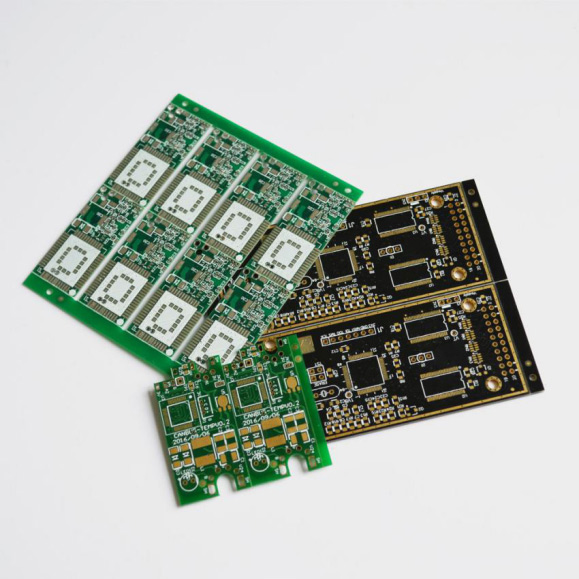
These characteristics make quartz fiber composites suitable for antenna systems, communication equipment, electronic insulation structures, and specialized electrical components.
As industries continue to develop high-frequency communication technologies and advanced electronic devices, demand for quartz-reinforced composite materials continues to grow.
Industrial Thermal Insulation and High-Temperature Equipment
Industrial facilities often require materials capable of withstanding prolonged exposure to heat while maintaining mechanical integrity.
Quartz rovings are widely used in the manufacture of thermal insulation composites for:
- Industrial furnaces
- Heat treatment systems
- Thermal processing equipment
- High-temperature ducts
- Energy production facilities
The thermal resistance of quartz fibers helps improve operational efficiency while contributing to equipment longevity.
Manufacturers appreciate the ability of quartz-reinforced composites to combine lightweight construction with exceptional thermal performance, creating solutions that support both productivity and energy efficiency.
Mechanical Performance and Structural Reliability
While thermal resistance is often the primary focus, mechanical performance remains equally important in composite design.
Quartz rovings contribute to composite strength by providing continuous fiber reinforcement throughout the matrix material. This reinforcement helps distribute loads more effectively and enhances overall structural performance.
Benefits include:
- Improved tensile strength
- Enhanced dimensional stability
- Increased durability
- Better fatigue resistance
- Consistent long-term performance
These properties make quartz rovings suitable for applications requiring both thermal protection and mechanical reliability.
Engineers frequently select quartz-reinforced composites when designing components that must maintain performance under challenging operating conditions over extended service periods.
Manufacturing Flexibility and Composite Processing Advantages
Another significant advantage of quartz rovings is their compatibility with various composite manufacturing processes.
They can be incorporated into multiple reinforcement architectures, including:
- Woven fabrics
- Braided structures
- Filament winding systems
- Pultrusion processes
- Laminated composite constructions
This flexibility allows manufacturers to tailor composite solutions to meet specific design and performance objectives.
The availability of different roving sizes and specifications further supports customization, enabling engineers to optimize reinforcement strategies for unique applications.
As advanced manufacturing technologies continue to evolve, quartz rovings remain a versatile material option for producing high-performance composite structures.
Sustainability and Long-Term Material Value
The growing emphasis on sustainable engineering solutions has increased interest in materials that offer long service life and reliable performance.
Quartz rovings contribute to sustainability goals by helping create durable composite products that require less frequent replacement and maintenance.
Their thermal stability and resistance to environmental influences support extended operational lifecycles, reducing material consumption over time.
Additionally, lightweight quartz-reinforced composites can contribute to improved energy efficiency in transportation and industrial systems.
By combining durability, performance, and longevity, quartz rovings provide long-term value for manufacturers and end users alike.
Choosing High-Quality Quartz Rovings for Composite Manufacturing
Selecting the right quartz rovings is essential for achieving optimal composite performance.
Manufacturers should evaluate factors such as:
- Fiber purity
- Mechanical properties
- Thermal resistance requirements
- Compatibility with resin systems
- Product consistency
- Supplier expertise and quality control
Reliable quartz roving suppliers typically maintain strict production standards to ensure consistent fiber quality and performance.
Working with experienced manufacturers helps engineers develop composite solutions that meet demanding technical specifications and industry requirements.
Quartz rovings have become a vital reinforcement material for high-temperature composite applications across aerospace, electronics, industrial manufacturing, energy, and advanced engineering sectors. Their unique combination of thermal resistance, low dielectric properties, mechanical strength, and dimensional stability makes them an ideal choice for demanding environments.
As industries continue to push the boundaries of material performance, quartz rovings will remain a key component in the development of innovative composite solutions. Their ability to support reliable operation under extreme conditions ensures their ongoing importance in the future of high-performance materials.
Jun-08-2026