


Quartz rovings have become an increasingly important material in modern industrial insulation applications due to their exceptional thermal resistance, mechanical strength, electrical insulation properties, and long-term stability in harsh environments. As industries continue to demand advanced materials capable of operating under extreme temperatures and challenging working conditions, quartz fiber products have emerged as a preferred solution across aerospace, electronics, metallurgy, energy, and industrial manufacturing sectors.
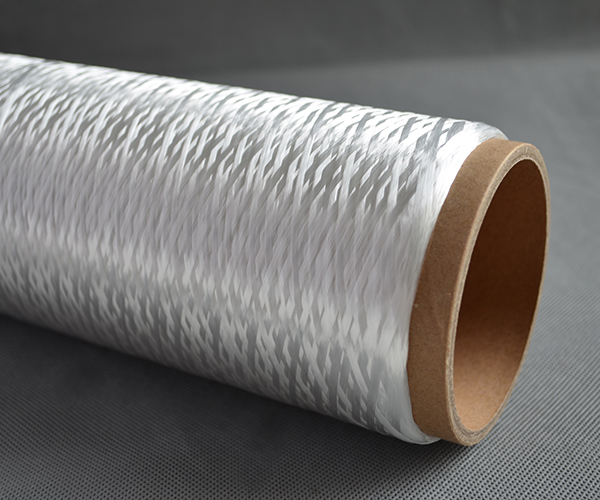
Manufactured from high-purity silica, quartz rovings consist of continuous quartz filaments bundled together into strands that can be further processed into fabrics, tapes, braided sleeves, composites, and insulation systems. Their unique combination of thermal and electrical performance makes them particularly valuable in environments where conventional insulation materials may degrade or lose effectiveness.
Understanding Quartz Rovings
Quartz rovings are continuous bundles of quartz fibers produced from highly purified silicon dioxide materials. Unlike traditional glass fibers, quartz fibers offer significantly higher thermal stability and superior dielectric properties, making them suitable for advanced industrial applications.
The manufacturing process involves melting high-purity quartz materials at extremely high temperatures and drawing them into fine continuous filaments. These filaments are then gathered into rovings that can be utilized directly or converted into other engineered products.
The resulting material exhibits outstanding resistance to heat, thermal shock, chemical exposure, and electrical interference. These characteristics have made quartz rovings a critical component in modern insulation systems designed for demanding industrial environments.
Because of their purity and structural consistency, quartz rovings provide reliable performance even when exposed to long-term thermal stress.
Exceptional Thermal Resistance
One of the primary reasons quartz rovings are widely used in industrial insulation is their remarkable thermal resistance.
Industrial equipment often operates in environments where temperatures exceed the capabilities of conventional insulation materials. Furnaces, thermal processing systems, aerospace components, and energy production facilities require insulation capable of maintaining performance under extreme heat.
Quartz rovings can withstand continuous exposure to elevated temperatures while retaining structural integrity. Their low thermal conductivity helps reduce heat transfer, improving system efficiency and protecting sensitive components.
In applications involving rapid temperature changes, quartz fibers also demonstrate excellent thermal shock resistance. This capability minimizes the risk of cracking, degradation, or insulation failure during repeated heating and cooling cycles.
As industries seek to improve operational reliability, quartz rovings continue to provide an effective solution for high-temperature insulation challenges.
Superior Electrical Insulation Performance
In addition to thermal protection, quartz rovings offer outstanding electrical insulation properties.
Many industrial systems require materials that can simultaneously provide thermal management and electrical isolation. Quartz fibers possess low dielectric constants and low dielectric loss characteristics, making them highly suitable for electrical insulation applications.
These properties are particularly valuable in:
- High-voltage equipment
- Semiconductor manufacturing systems
- Electronic processing facilities
- Aerospace electronics
- Communication devices
- Power generation infrastructure
Quartz rovings help prevent electrical leakage and signal interference while maintaining performance in high-temperature environments.
As industrial electronics become increasingly sophisticated, the need for materials capable of delivering reliable thermal and electrical insulation continues to grow.
Mechanical Strength and Durability
Industrial insulation materials must withstand not only heat but also mechanical stress, vibration, and environmental exposure.
Quartz rovings offer excellent tensile strength and dimensional stability. Their fiber structure enables them to maintain integrity under demanding operating conditions while supporting long service life.
This mechanical durability is especially important in industries where insulation materials are subjected to:
- Continuous vibration
- Mechanical movement
- Equipment maintenance activities
- Pressure fluctuations
- Structural loading
Unlike some conventional insulation materials that may become brittle over time, quartz rovings maintain their performance characteristics across extended operational periods.
The combination of thermal resistance and mechanical reliability contributes significantly to reduced maintenance costs and improved system longevity.
Chemical Resistance in Harsh Environments
Industrial facilities often expose insulation materials to corrosive chemicals, moisture, gases, and contaminants.
Quartz rovings exhibit strong resistance to many chemical agents, allowing them to perform reliably in aggressive industrial environments. Their chemical stability helps maintain insulation effectiveness even when exposed to challenging operating conditions.
Industries that benefit from this resistance include:
- Petrochemical processing
- Chemical manufacturing
- Metallurgical operations
- Energy production facilities
- Industrial laboratories
The ability to resist chemical degradation enhances operational safety and reduces the frequency of insulation replacement.
For facilities seeking long-term reliability, quartz rovings offer a durable and dependable insulation solution.
Applications in Aerospace Insulation Systems
The aerospace industry represents one of the most demanding sectors for advanced insulation materials.
Aircraft engines, spacecraft components, propulsion systems, and thermal protection structures require materials capable of surviving extreme temperatures while minimizing weight.
Quartz rovings are commonly used in aerospace insulation systems because they provide:
- High-temperature resistance
- Lightweight performance
- Excellent dielectric properties
- Structural reinforcement capabilities
These characteristics support the development of advanced aerospace technologies where reliability and safety are critical.
As commercial space exploration and next-generation aviation technologies continue to evolve, demand for quartz-based insulation materials is expected to increase.
Role in Industrial Furnaces and Thermal Equipment
Industrial furnaces operate under some of the harshest thermal conditions found in manufacturing environments.
Quartz rovings are frequently incorporated into insulation products used in:
- Heat treatment furnaces
- Metal processing equipment
- Glass manufacturing systems
- Ceramic production facilities
- Industrial kilns
By reducing heat loss and improving thermal containment, quartz-based insulation systems contribute to enhanced energy efficiency and more stable process control.
Their resistance to thermal degradation helps ensure consistent performance during prolonged high-temperature operations.
For manufacturers seeking improved productivity and reduced energy consumption, quartz rovings provide a valuable insulation solution.
Contribution to Energy and Power Industries
Energy generation facilities rely on advanced insulation materials to maintain operational efficiency and equipment protection.
Quartz rovings support insulation systems used in:
- Power plants
- Renewable energy installations
- Nuclear facilities
- Electrical substations
- High-temperature energy equipment
Their combination of thermal and electrical insulation properties enables safer and more efficient operation across diverse energy applications.
As global demand for energy-efficient technologies continues to rise, quartz fiber insulation materials are playing an increasingly important role in supporting sustainable industrial development.
Future Trends and Market Growth
The global market for high-performance insulation materials continues to expand as industries pursue greater efficiency, reliability, and safety.
Several trends are expected to drive future demand for quartz rovings:
- Growth in aerospace manufacturing
- Expansion of semiconductor production
- Increased adoption of renewable energy technologies
- Development of advanced industrial automation systems
- Rising demand for high-temperature composite materials
Research efforts are also focused on improving fiber manufacturing processes, enhancing mechanical performance, and expanding application possibilities.
These developments are expected to strengthen the position of quartz rovings as a leading material for industrial insulation applications.
Quartz rovings have established themselves as an essential material for industrial insulation applications due to their exceptional thermal resistance, electrical insulation performance, mechanical durability, and chemical stability. Their ability to perform reliably in extreme environments makes them a preferred choice across aerospace, energy, electronics, metallurgy, and advanced manufacturing industries.
As industrial technologies continue to evolve and operating requirements become increasingly demanding, the importance of high-performance insulation materials will only grow. Quartz rovings provide a versatile and future-ready solution capable of meeting these challenges while supporting efficiency, safety, and long-term operational reliability.
Jun-04-2026