


As advanced materials continue to reshape industries worldwide, composite manufacturing has become a cornerstone of innovation in aerospace, electronics, energy, transportation, defense, and industrial engineering. Manufacturers increasingly seek reinforcement materials that combine lightweight performance, thermal stability, electrical insulation, and mechanical strength.
Among the many reinforcement materials available today, quartz rovings have emerged as a highly valued solution for modern composite applications. Produced from high-purity quartz fibers, quartz rovings offer exceptional performance characteristics that make them suitable for demanding environments where conventional reinforcement materials may face limitations.
With the growing demand for high-performance composites, quartz rovings are playing an increasingly important role in supporting next-generation manufacturing technologies and advanced engineering applications.
Understanding Quartz Rovings
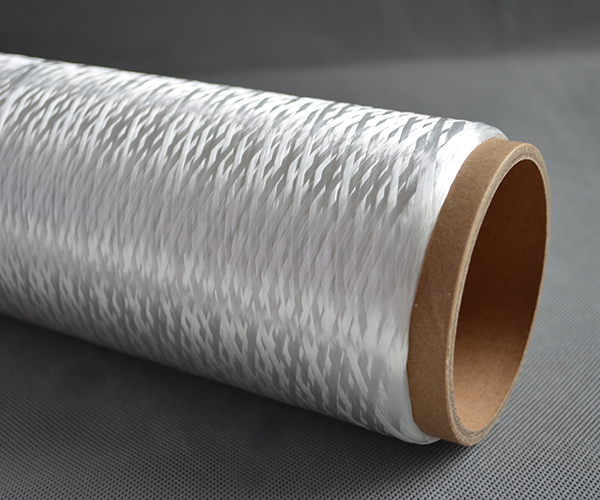
Quartz rovings consist of continuous strands of high-purity quartz fibers gathered into bundles and wound onto spools for composite manufacturing processes.
The raw material used in quartz fiber production contains extremely high silica content, resulting in fibers with remarkable thermal, electrical, and chemical properties.
Unlike traditional reinforcement fibers, quartz rovings are specifically engineered for applications that require performance under extreme operating conditions.
These rovings can be used directly in composite fabrication or further processed into:
- Quartz fabrics
- Quartz tapes
- Braided reinforcements
- Woven textiles
- Composite laminates
- Insulation systems
Their versatility makes them a preferred reinforcement material for many advanced manufacturing sectors.
Why Composite Manufacturers Choose Quartz Rovings
Modern composite manufacturers continuously seek materials capable of meeting increasingly demanding technical requirements.
Quartz rovings offer a unique combination of benefits that contribute to superior composite performance.
Key advantages include:
- Excellent thermal resistance
- Low dielectric constant
- High electrical insulation
- Outstanding dimensional stability
- Lightweight characteristics
- Strong mechanical properties
- Chemical resistance
- Low thermal expansion
These characteristics allow manufacturers to design composite structures that perform reliably in challenging environments.
As industries pursue lighter, stronger, and more efficient products, quartz rovings provide valuable reinforcement solutions.
Exceptional Thermal Stability
One of the most significant advantages of quartz rovings is their ability to withstand elevated temperatures.
Many composite applications operate in environments where conventional materials may experience thermal degradation, dimensional changes, or loss of performance.
Quartz fibers maintain their structural integrity across a wide temperature range, making them suitable for:
- Aerospace thermal systems
- Industrial insulation
- High-temperature equipment
- Thermal protection structures
- Advanced manufacturing processes
The excellent thermal stability of quartz rovings contributes to longer service life and improved reliability in demanding applications.
This property is particularly important in industries where thermal management plays a critical role in operational performance.
Superior Electrical Insulation Performance
Electrical insulation is another area where quartz rovings excel.
Their low dielectric constant and excellent electromagnetic transparency make them highly suitable for applications involving sensitive electronic systems and communication equipment.
Common applications include:
- Radomes
- Antenna structures
- Electronic enclosures
- Communication systems
- Semiconductor equipment
- High-frequency components
As modern technologies become increasingly dependent on reliable signal transmission, materials that minimize electrical interference become more valuable.
Quartz rovings help manufacturers develop advanced composite structures that support stable and efficient electronic performance.
Supporting Lightweight Engineering Solutions
Weight reduction remains a major objective across many manufacturing industries.
Lighter structures often contribute to:
- Improved energy efficiency
- Reduced fuel consumption
- Increased payload capacity
- Easier handling
- Enhanced operational performance
Quartz rovings provide high-strength reinforcement while maintaining relatively low weight.
When incorporated into composite systems, they help engineers optimize structural performance without adding unnecessary mass.
This balance between strength and weight makes quartz-based composites attractive for aerospace, transportation, and advanced industrial applications.
Chemical Resistance and Environmental Durability
Composite materials are frequently exposed to challenging environmental conditions.
Moisture, chemicals, temperature fluctuations, and atmospheric exposure can affect long-term performance.
Quartz rovings demonstrate excellent resistance to many environmental factors, helping maintain material stability over extended periods.
Benefits include:
- Moisture resistance
- Corrosion resistance
- Chemical stability
- Long-term durability
- Reduced maintenance requirements
These characteristics support reliable performance in both indoor and outdoor applications.
For manufacturers seeking long service life and reduced lifecycle costs, quartz rovings offer substantial value.
Compatibility with Modern Composite Manufacturing Processes
One reason quartz rovings continue gaining popularity is their compatibility with various composite manufacturing methods.
They can be integrated into numerous production processes, including:
- Filament winding
- Pultrusion
- Resin transfer molding
- Hand lay-up
- Vacuum infusion
- Automated fiber placement
This flexibility allows manufacturers to incorporate quartz reinforcement into a wide range of product designs and production systems.
As manufacturing technologies continue evolving, adaptable reinforcement materials become increasingly important.
Quartz rovings support both traditional and advanced composite fabrication techniques.
Aerospace Applications Driving Demand
The aerospace industry remains one of the largest users of high-performance quartz fiber materials.
Aircraft, spacecraft, satellites, and defense systems often require materials capable of operating under extreme thermal and electromagnetic conditions.
Quartz rovings are frequently used in composite components requiring:
- Thermal resistance
- Electromagnetic transparency
- Lightweight performance
- Structural stability
- High reliability
As aerospace technologies continue advancing, demand for specialized reinforcement materials is expected to grow steadily.
Quartz-based composites help engineers meet stringent performance requirements while supporting ongoing innovation.
Emerging Opportunities in Advanced Electronics
The rapid development of advanced electronics is creating new opportunities for quartz rovings.
Electronic systems increasingly require materials capable of supporting:
- High-frequency communication
- Signal integrity
- Electromagnetic performance
- Thermal management
- Dimensional stability
Quartz fiber reinforcements offer a combination of properties that align closely with these requirements.
As technologies such as telecommunications infrastructure, radar systems, and advanced electronics continue expanding, quartz rovings are expected to play an increasingly important role.
Quality Control in Quartz Roving Production
Consistent quality is essential for composite manufacturing success.
High-quality quartz rovings are produced through carefully controlled manufacturing processes that ensure uniform fiber characteristics and reliable performance.
Quality control measures typically focus on:
- Fiber purity
- Filament consistency
- Mechanical strength
- Dimensional accuracy
- Surface quality
- Thermal performance
Maintaining strict production standards helps manufacturers achieve predictable composite properties and reliable product performance.
For critical applications, material consistency is often as important as the material properties themselves.
Sustainability and Long-Term Value
Sustainability has become a growing consideration across manufacturing industries.
While performance remains the primary focus for many advanced composite applications, long-lasting materials can contribute to more sustainable product lifecycles.
Quartz rovings support sustainability objectives by enabling:
- Extended product service life
- Reduced replacement frequency
- Improved efficiency
- Enhanced durability
- Lower maintenance requirements
These advantages can help manufacturers improve overall resource utilization while maintaining high performance standards.
As industries continue emphasizing sustainable engineering practices, durable reinforcement materials will remain highly valuable.
Future Trends in Composite Manufacturing
The future of composite manufacturing will likely involve increasingly sophisticated material systems.
Several trends are expected to drive continued demand for quartz rovings, including:
- Advanced aerospace development
- Next-generation communication systems
- High-performance electronics
- Lightweight transportation technologies
- Energy infrastructure modernization
- Industrial automation
As engineers seek materials capable of delivering superior thermal, electrical, and mechanical performance, quartz rovings will remain an important component of advanced composite solutions.
Continuous innovation in manufacturing processes and composite design will further expand their application potential.
Quartz rovings have become a critical reinforcement material supporting modern composite manufacturing across multiple industries. Their exceptional thermal stability, electrical insulation performance, lightweight characteristics, chemical resistance, and process compatibility make them an ideal choice for advanced engineering applications.
From aerospace systems and electronic components to industrial insulation and next-generation composites, quartz rovings help manufacturers achieve demanding performance objectives while supporting innovation and long-term reliability.
As composite technologies continue evolving, quartz rovings will play an increasingly significant role in shaping the future of high-performance materials and advanced manufacturing.
May-27-2026