


Modern aerospace systems operate in some of the most demanding environments imaginable. Aircraft engines, rocket propulsion systems, spacecraft structures, and onboard electronic equipment are regularly exposed to extreme temperatures and thermal fluctuations. To maintain safety, efficiency, and long-term reliability, aerospace manufacturers rely on advanced thermal insulation materials that can withstand these harsh conditions without compromising performance.
Among the many high-performance materials available today, quartz rovings have become a preferred solution for aerospace thermal insulation. Manufactured from high-purity fused silica fibers, quartz rovings provide an exceptional combination of heat resistance, lightweight performance, electrical insulation, and structural stability. As aerospace technology continues to evolve, the importance of quartz rovings in thermal protection systems continues to grow.
What Are Quartz Rovings?
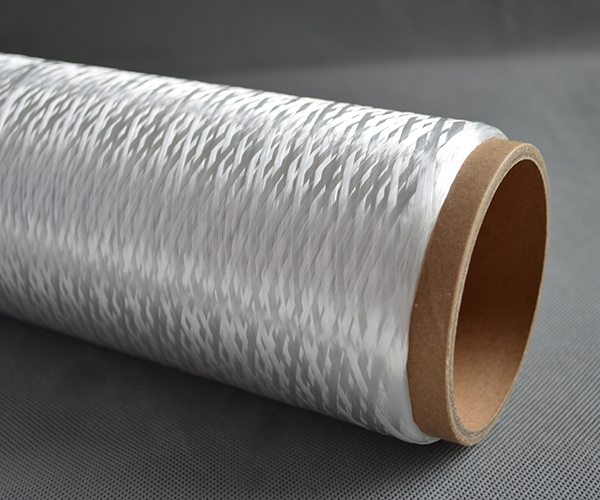
Quartz rovings are continuous bundles of high-purity quartz fibers produced through a specialized melting and fiber-drawing process. The resulting fibers are assembled into rovings that can be woven, braided, or integrated into advanced composite structures.
Unlike conventional reinforcement materials, quartz fibers maintain their integrity even when exposed to extremely high temperatures. Their unique chemical composition allows them to perform reliably in environments where thermal protection is critical. Because of this capability, quartz rovings have become an important component in aerospace insulation systems, thermal barriers, and high-temperature composites.
The material combines low density with outstanding thermal resistance, making it particularly attractive for applications where weight reduction and performance are equally important.
Key Benefits of Quartz Rovings in Aerospace Applications
One of the most significant advantages of quartz rovings is their exceptional resistance to heat. Aerospace systems often encounter temperatures that can challenge conventional insulation materials, yet quartz fibers remain stable under prolonged exposure to elevated temperatures. This stability helps maintain the effectiveness of insulation systems throughout demanding operational cycles.
Another important benefit is low thermal conductivity. Effective insulation materials must minimize heat transfer between critical components. Quartz rovings help reduce heat flow, protecting sensitive structures, electronic systems, and mechanical assemblies from excessive thermal exposure.
Quartz fibers also provide excellent dielectric properties. In aerospace applications where thermal and electrical insulation are required simultaneously, quartz rovings offer a highly effective solution. Their ability to resist electrical conductivity while maintaining thermal performance contributes to overall system reliability.
The lightweight nature of quartz rovings is equally valuable. Every kilogram saved in aerospace design contributes to improved fuel efficiency, payload capacity, and operational performance. Quartz-based insulation materials provide robust thermal protection without adding unnecessary weight.
Why Aerospace Manufacturers Choose Quartz Rovings
The aerospace industry demands materials that deliver consistent performance under extreme conditions. Quartz rovings meet these requirements through a combination of thermal stability, chemical resistance, and mechanical durability.
Because quartz fibers are produced from high-purity silica, they exhibit excellent resistance to oxidation and environmental degradation. This characteristic is especially important in aerospace environments where materials must maintain performance over extended periods.
Engineers also appreciate the versatility of quartz rovings. The material can be converted into woven fabrics, braided structures, insulation blankets, composite reinforcements, and thermal protection layers. This flexibility allows manufacturers to develop customized solutions for a wide variety of aerospace applications.
As aerospace systems become more advanced, the ability to tailor insulation materials to specific performance requirements becomes increasingly valuable. Quartz rovings provide this adaptability while maintaining exceptional thermal performance.
Applications of Quartz Rovings in Aerospace Thermal Insulation
Quartz rovings are used extensively throughout the aerospace sector. One of their most common applications is in thermal insulation blankets designed to shield equipment and structural components from high temperatures. These insulation systems help maintain stable operating conditions while protecting nearby components.
In rocket propulsion systems, quartz rovings contribute to thermal barriers that withstand intense heat generated during launch and flight operations. Their ability to maintain structural integrity under extreme thermal stress makes them highly suitable for propulsion-related applications.
Spacecraft thermal protection systems also benefit from quartz fiber technology. During atmospheric re-entry, spacecraft encounter severe thermal loads that require advanced insulation solutions. Quartz-based materials help manage these temperatures while preserving the integrity of critical structures.
In addition to propulsion and spacecraft applications, quartz rovings are frequently incorporated into aerospace composite materials. These composites combine lightweight construction with excellent thermal resistance, supporting the development of next-generation aerospace platforms.
Quartz rovings are also widely used in high-temperature aerospace fabrics. These technical textiles serve as thermal barriers, protective covers, insulation wraps, and fire-resistant layers throughout aircraft and spacecraft systems.
Manufacturing Processes That Enhance Performance
The performance of quartz rovings depends not only on the quality of the fibers but also on the manufacturing methods used to transform them into finished products.
Weaving is one of the most common processes. Woven quartz fabrics provide uniform thermal protection and mechanical reinforcement, making them suitable for insulation blankets and composite structures.
Braiding techniques create flexible yet durable structures that can be adapted to complex aerospace geometries. These braided products often serve in specialized insulation applications where flexibility and strength are both required.
Composite manufacturing processes integrate quartz rovings with advanced resin systems or ceramic matrices. The resulting materials offer enhanced thermal protection while maintaining lightweight characteristics.
Needle-punched insulation products are another important category. These materials provide excellent thermal insulation and are often used in high-temperature aerospace environments where lightweight thermal barriers are essential.
The Growing Importance of Quartz Rovings in Future Aerospace Programs
The future of aerospace engineering is increasingly focused on higher performance, greater efficiency, and enhanced reliability. These goals require advanced materials capable of supporting next-generation technologies.
Space exploration programs are expanding rapidly, creating new demand for materials that can survive extreme thermal environments. Quartz rovings are well positioned to support these missions because of their proven heat resistance and long-term durability.
Reusable launch systems represent another area of growth. Unlike traditional single-use systems, reusable aerospace vehicles require insulation materials that can withstand repeated thermal cycles while maintaining performance. Quartz fiber products offer significant advantages in these demanding applications.
The increasing use of advanced electronics in aerospace systems also drives demand for effective thermal management solutions. As electronic components become more powerful and compact, controlling heat becomes increasingly important. Quartz rovings help address this challenge by providing reliable thermal insulation and electrical isolation.
Choosing the Right Quartz Rovings for Aerospace Projects
Selecting the appropriate quartz roving product requires careful consideration of project requirements. Engineers typically evaluate operating temperatures, thermal conductivity targets, mechanical performance expectations, and manufacturing compatibility before making a final material selection.
Factors such as fiber diameter consistency, purity level, tensile strength, and dielectric performance can significantly influence overall system effectiveness. Working with experienced material suppliers and conducting thorough performance evaluations helps ensure optimal results.
As aerospace projects become increasingly sophisticated, the ability to match material properties to specific operational requirements becomes a critical factor in achieving long-term success.

Their unique combination of high-temperature resistance, low thermal conductivity, excellent dielectric properties, chemical stability, and lightweight performance makes them ideally suited for demanding aerospace applications.
From aircraft insulation systems and rocket propulsion components to spacecraft thermal protection structures and advanced composite materials, quartz rovings continue to support innovation across the aerospace industry. As future aerospace programs pursue greater efficiency, safety, and performance, the role of quartz rovings in thermal insulation systems is expected to become even more significant.
For manufacturers seeking reliable high-temperature insulation solutions, quartz rovings provide a proven material platform capable of meeting the evolving demands of modern aerospace engineering.
May-26-2026