


In advanced laboratory environments, thermal stability, chemical resistance, and structural reliability are essential requirements for insulation materials. As research equipment becomes more precise and operational conditions become more demanding, traditional insulation materials often struggle to meet long-term performance expectations.
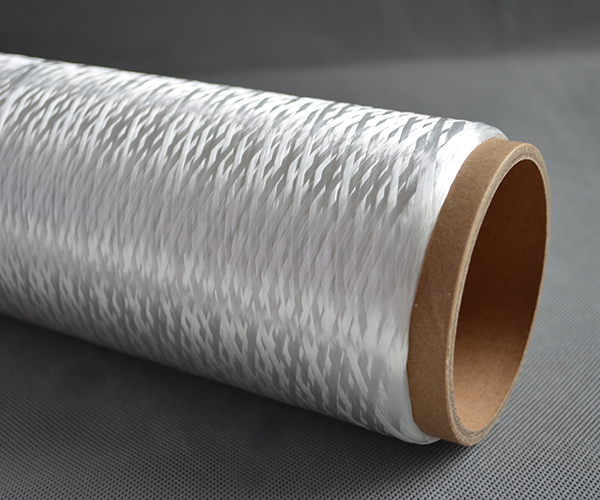
Quartz rovings weavable filament has become an important reinforcement material in lab insulation composites due to its high purity silica composition, excellent thermal resistance, and stable mechanical structure. It is widely used in high-temperature laboratory systems, precision testing equipment, aerospace simulation environments, and advanced scientific research facilities.
Unlike conventional fibers, quartz rovings are engineered to maintain structural integrity under extreme heat conditions while offering excellent compatibility with composite weaving processes. This makes them suitable for applications where consistent insulation performance and dimensional stability are required.
Why Quartz Rovings Are Ideal for Weavable Composite Structures
One of the most important advantages of quartz rovings is their adaptability in woven composite systems. The filament structure allows manufacturers to process it into fabrics, tapes, and multi-layer insulation panels depending on engineering requirements.
In laboratory insulation systems, woven quartz filament composites provide uniform thermal distribution and reduce localized heat stress. This is particularly important in environments where equipment operates under continuous high-temperature exposure.
Quartz fibers also demonstrate excellent resistance to thermal shock. When laboratory equipment experiences rapid temperature changes, the material maintains stability without deformation or structural failure. This characteristic improves the lifespan and reliability of insulation components used in sensitive scientific applications.
In addition, the low thermal conductivity of quartz rovings contributes to energy efficiency in laboratory systems by reducing unwanted heat transfer between components.
Key Performance Advantages in Lab Insulation Applications
Quartz rovings are widely selected for laboratory insulation composites due to their consistent performance across multiple critical factors.
High temperature resistance ensures stable operation in extreme environments such as furnace insulation systems, high-energy research chambers, and precision heating equipment.
Chemical stability allows the material to maintain performance even when exposed to corrosive gases or reactive substances commonly found in laboratory environments.
Mechanical flexibility enables easy integration into woven structures without compromising fiber strength, making it suitable for complex insulation designs.
Dimensional consistency ensures that composite structures remain stable over long-term use, reducing the risk of material deformation that could affect experimental accuracy.
These combined properties make quartz rovings a dependable reinforcement material for engineering high-performance laboratory insulation systems.
Applications Across Laboratory and High-Tech Industries
Quartz rovings weavable filament is widely used in various advanced technical fields where insulation performance and structural stability are critical.
In laboratory furnace systems, it is applied as reinforcement in high-temperature insulation layers to improve thermal endurance and structural durability.
In aerospace testing environments, quartz-based composites are used in simulation chambers where precise temperature control and material stability are required.
In semiconductor research facilities, insulation materials reinforced with quartz rovings help maintain controlled thermal conditions essential for precision fabrication processes.
In chemical laboratories, the material’s resistance to corrosive environments makes it suitable for insulation systems exposed to reactive substances.
In advanced material research, quartz rovings are used to develop experimental composite structures for next-generation thermal management solutions.
Engineering Considerations for Composite Fabrication
Successful application of quartz rovings in lab insulation composites depends heavily on proper engineering design and fabrication processes.
Fiber alignment plays an important role in determining the mechanical strength and thermal uniformity of the final composite. Consistent weaving patterns help achieve stable insulation performance across the entire surface.
Resin compatibility is another critical factor. Quartz rovings are commonly combined with high-temperature resistant resin systems to enhance structural bonding and long-term durability.
Layering techniques also influence insulation efficiency. Multi-layer composite structures can be designed to optimize thermal resistance while maintaining flexibility and weight control.
During fabrication, controlled tension and precise weaving parameters help ensure uniform distribution of fibers, reducing the risk of weak points in the insulation system.
Importance of Material Consistency in Laboratory Environments
In laboratory applications, even minor variations in insulation performance can affect experimental accuracy and equipment stability.
Quartz rovings provide high material consistency, which is essential for maintaining predictable thermal behavior. This reliability supports repeatable testing conditions and improves the accuracy of scientific measurements.
Stable insulation materials also contribute to equipment protection by reducing thermal stress on sensitive components. This helps extend the operational lifespan of laboratory systems and minimizes performance fluctuations.
For research institutions and high-tech manufacturing facilities, consistent material behavior is a key requirement in selecting insulation reinforcement materials.
Manufacturing Quality and Technical Support from SHENJIU
The performance of quartz rovings weavable filament is closely linked to manufacturing precision and quality control during production.
SHENJIU specializes in producing high-quality quartz fiber materials designed for demanding industrial and laboratory applications. The company focuses on controlled fiber production processes, stable filament formation, and consistent material properties suitable for advanced composite manufacturing.
With experience in high-temperature material engineering, SHENJIU provides quartz rovings that meet the requirements of insulation composite fabrication, including weaving compatibility, structural stability, and thermal resistance performance.
Technical support is also an important part of the manufacturing process, helping customers select appropriate filament specifications based on their application needs, whether for laboratory insulation systems, aerospace testing environments, or advanced material research projects.
This combination of material consistency and engineering support enables reliable integration into complex composite systems.
Future Development Trends in Quartz-Based Insulation Materials
As laboratory equipment continues to evolve toward higher precision and more extreme operating conditions, the demand for advanced insulation materials is expected to increase.
Quartz rovings are likely to play a growing role in next-generation composite systems due to their stability, adaptability, and compatibility with advanced manufacturing techniques.
Research in multi-functional composites may further expand their application scope, combining thermal insulation with structural reinforcement and environmental resistance in a single material system.
With continued innovation in material science, quartz fiber-based composites will remain an important solution for high-performance laboratory insulation requirements.
Reliable Material Foundation for High-Performance Lab Systems
Quartz rovings weavable filament provides a strong technical foundation for modern laboratory insulation composites. Its combination of thermal resistance, chemical stability, and weaving adaptability makes it suitable for a wide range of advanced applications.
From furnace insulation systems to aerospace testing environments and semiconductor research facilities, the material supports stable performance under demanding conditions.
With professional manufacturing support from SHENJIU, quartz rovings can be consistently integrated into high-quality composite systems, helping engineers and researchers achieve reliable insulation performance and long-term structural stability.
Jul-02-2026