


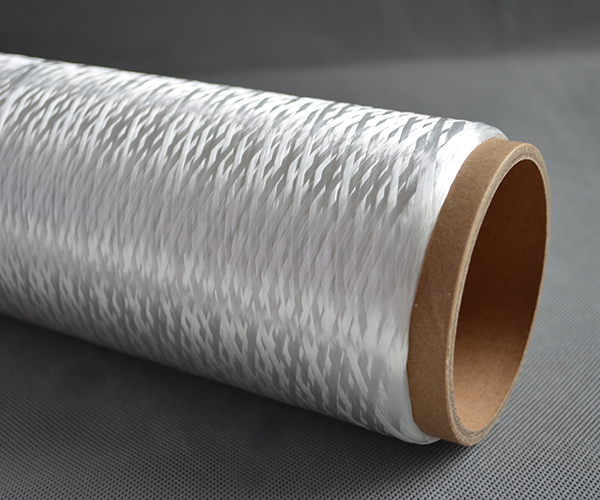
Quartz rovings are advanced continuous fiber materials manufactured from high-purity silica. These fibers are known for their exceptional thermal resistance, electrical insulation, chemical stability, and mechanical strength. In modern industrial manufacturing, quartz rovings have become an essential reinforcement material for applications that require high performance under extreme environmental conditions.
Unlike traditional fiberglass materials, quartz fiber rovings are designed to withstand significantly higher temperatures while maintaining structural stability. Their purity level often exceeds 99.95% SiO₂, making them suitable for industries such as aerospace, electronics, semiconductor manufacturing, defense, and high-frequency communication systems.
As industries continue to demand lightweight, heat-resistant, and durable materials, quartz rovings with high purity fiber performance are becoming increasingly valuable in advanced composite engineering.
High Purity Quartz Fiber Characteristics
The performance of quartz rovings depends largely on the purity and manufacturing process of the silica fibers. High purity quartz fibers deliver several advantages that make them superior for specialized industrial applications.
Exceptional Heat Resistance
Quartz rovings can operate continuously in temperatures exceeding 1000°C without significant degradation. Their low thermal expansion coefficient helps maintain dimensional stability under rapid temperature changes.
This makes quartz fiber products ideal for:
- Aerospace thermal insulation
- Rocket nozzle reinforcement
- Furnace insulation systems
- High-temperature filtration materials
- Industrial fire protection fabrics
The thermal shock resistance of quartz fibers is particularly beneficial in environments where rapid heating and cooling cycles occur frequently.
Excellent Electrical Insulation
High purity quartz rovings exhibit extremely low dielectric constants and dielectric losses. This property makes them highly effective in high-frequency electrical applications and advanced PCB manufacturing.
Industries using quartz rovings for electrical insulation include:
- Semiconductor equipment manufacturing
- High-frequency communication devices
- Radar systems
- Satellite electronics
- 5G infrastructure materials
As electronic systems continue to evolve toward higher frequencies and smaller structures, quartz fiber materials provide stable insulation performance with minimal signal interference.
Superior Chemical Stability
Quartz fibers resist corrosion from most acids, chemicals, and environmental contaminants. This chemical resistance extends product lifespan and reduces maintenance requirements in aggressive industrial environments.
Quartz rovings are widely used in:
- Chemical processing plants
- Industrial filtration systems
- Marine engineering applications
- Corrosion-resistant composite structures
Their long-term stability also helps manufacturers reduce replacement frequency and operational costs.
Manufacturing Process of Quartz Rovings
The manufacturing of high purity quartz rovings requires advanced technology and strict quality control procedures. The process begins with ultra-pure silica raw materials, which are melted at extremely high temperatures.
The molten quartz is then drawn into continuous filaments with precise diameter control. These fibers are bundled together into rovings that can later be woven, coated, or integrated into composite systems.
Several factors influence the final fiber performance:
Fiber Diameter Consistency
Uniform filament diameter improves mechanical strength and weaving performance. Precise control also enhances the quality of composite laminates and insulation fabrics.
Purity Control
Contaminants can negatively impact dielectric properties and thermal resistance. Manufacturers use advanced purification technologies to ensure ultra-high silica content.
Surface Treatment Technology
Specialized sizing agents improve compatibility with resins and composite matrices. Proper surface treatment enhances bonding strength and overall composite durability.
Applications of High Purity Quartz Rovings
The versatility of quartz rovings enables their use across many advanced industries.
Aerospace and Defense Applications
Quartz rovings are commonly used in aerospace thermal protection systems because of their lightweight structure and outstanding heat resistance.
Typical applications include:
- Aircraft insulation components
- Missile radomes
- Spacecraft heat shields
- High-temperature composite reinforcements
In defense systems, quartz fiber materials also support electromagnetic transparency requirements for radar and communication technologies.
Electronic and Semiconductor Industries
The electronics industry relies heavily on quartz rovings for high-frequency insulation materials and precision composite components.
Quartz fibers help improve:
- Signal transmission stability
- Heat management performance
- Electrical insulation efficiency
- Long-term reliability of electronic devices
High-purity quartz materials are especially important for semiconductor fabrication equipment where contamination control is critical.
Industrial Composite Reinforcement
Quartz rovings serve as reinforcement materials in advanced composites requiring exceptional thermal and mechanical performance.
Composite products reinforced with quartz fibers offer:
- Reduced weight
- Increased tensile strength
- Improved dimensional stability
- Enhanced resistance to heat and chemicals
These materials are increasingly used in industrial machinery, automotive engineering, and energy-related infrastructure.
Advantages of Quartz Rovings Over Conventional Fibers
Compared with standard fiberglass and some ceramic fibers, quartz rovings provide a balanced combination of thermal, electrical, and mechanical properties.
Higher Temperature Capability
Quartz fibers maintain integrity at temperatures where conventional glass fibers begin to soften or degrade.
Better Dielectric Performance
Their low dielectric constant makes quartz materials suitable for high-frequency electronic applications that require minimal signal loss.
Lower Thermal Expansion
Quartz rovings experience very limited expansion under temperature changes, which improves structural precision and reliability.
Longer Service Life
The superior chemical and thermal stability of quartz fibers contributes to longer operational durability in harsh industrial conditions.
Factors to Consider When Selecting Quartz Rovings
Choosing the right quartz rovings depends on the target application and performance requirements.
Important selection factors include:
Fiber Purity Level
Higher purity fibers generally provide better dielectric performance and thermal stability.
Filament Diameter
Different filament sizes affect flexibility, strength, and weaving compatibility.
Roving Tex Specification
Tex values determine the weight and density of the fiber bundle, influencing reinforcement performance.
Surface Compatibility
The sizing treatment should match the intended resin system or composite matrix.
Thermal Requirements
Operating temperature conditions must align with the fiber’s heat resistance capabilities.
Working with experienced quartz fiber manufacturers helps ensure the optimal material selection for specialized applications.
Future Trends in Quartz Fiber Technology
The demand for quartz rovings is expected to grow rapidly as industries pursue advanced lightweight materials and high-frequency technologies.
Emerging trends include:
- Ultra-thin quartz fiber development
- Advanced composite integration
- High-frequency communication applications
- Semiconductor-grade insulation materials
- Aerospace thermal protection innovations
Sustainability is also becoming an important factor in material engineering. Quartz fibers offer long service life and reduced maintenance needs, contributing to more efficient industrial systems.
As electric vehicles, renewable energy systems, and next-generation electronics continue to expand, quartz rovings will play a critical role in supporting high-performance manufacturing requirements.
Quartz rovings with high purity fiber performance represent one of the most important advanced materials in modern industrial engineering. Their unique combination of thermal resistance, dielectric insulation, chemical stability, and lightweight strength makes them suitable for demanding applications across aerospace, electronics, defense, and industrial composites.
With continuous advancements in manufacturing technology and increasing demand for high-performance materials, quartz fiber rovings are expected to become even more essential in future industrial innovation. Selecting high-quality quartz rovings from reliable manufacturers can significantly improve product performance, durability, and operational efficiency in advanced engineering environments.
May-29-2026