


Quartz wool has become an essential material in modern industrial environments because of its excellent thermal resistance, chemical stability, and insulation performance. Manufactured from high-purity quartz fibers, quartz wool is widely used in industries that require reliable performance under extreme temperatures and demanding operating conditions.
As industrial technologies continue to evolve, manufacturers are increasingly searching for advanced insulation and filtration materials that can improve efficiency, safety, and long-term durability. Quartz wool stands out because it combines lightweight structure, high-temperature resistance, low thermal conductivity, and strong chemical durability in a single material solution.
From industrial furnaces and semiconductor production to aerospace engineering and laboratory systems, quartz wool plays a critical role in improving operational performance across multiple sectors. Understanding the key benefits of quartz wool helps businesses choose more effective materials for thermal management, insulation, and process stability.
Exceptional High Temperature Resistance
One of the most important advantages of quartz wool is its outstanding resistance to extremely high temperatures. Unlike many conventional insulation materials, quartz wool can maintain structural stability and insulation performance even in harsh thermal environments.
High-purity quartz fibers are capable of operating continuously under elevated temperatures without melting, deforming, or rapidly degrading. This makes quartz wool highly suitable for industrial heating systems, thermal processing equipment, and high-temperature manufacturing operations.
Industries that benefit from this feature include:
- Metal processing
- Glass manufacturing
- Petrochemical production
- Semiconductor fabrication
- Aerospace engineering
Reliable temperature resistance helps reduce maintenance frequency and improves the operational lifespan of industrial systems.
Excellent Thermal Insulation Performance
Thermal insulation is one of the core reasons why quartz wool is widely used in industrial applications. The fiber structure creates air pockets that significantly reduce heat transfer, helping maintain stable temperatures inside equipment and processing systems.
Efficient insulation contributes to:
- Reduced energy consumption
- Improved thermal efficiency
- Better process control
- Lower operating costs
- Enhanced workplace safety
Industrial facilities that use high-temperature machinery often rely on quartz wool to minimize heat loss and improve energy efficiency.
In manufacturing environments where precise thermal management is required, consistent insulation performance becomes especially important for maintaining production quality.
Strong Chemical Resistance
Industrial environments frequently expose materials to aggressive chemicals, acids, solvents, and corrosive gases. Quartz wool offers strong chemical resistance, making it suitable for demanding operating conditions where material degradation could affect safety or performance.
Because quartz fibers are chemically stable, quartz wool can maintain its structure and effectiveness even after prolonged exposure to harsh industrial environments.
This benefit is particularly valuable in:
- Chemical processing plants
- Laboratory systems
- Refinery operations
- Environmental testing equipment
- Industrial filtration systems
Strong chemical durability helps extend service life while reducing replacement and maintenance requirements.
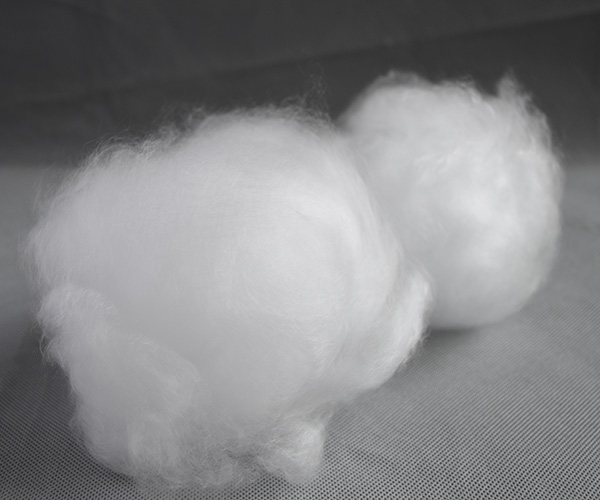
Low Thermal Conductivity
Quartz wool has very low thermal conductivity, which means it effectively limits heat transfer between surfaces and environments.
This property helps industrial systems maintain consistent internal temperatures while protecting nearby equipment and personnel from excessive heat exposure.
Low thermal conductivity supports:
- Improved energy conservation
- Enhanced process stability
- Better temperature uniformity
- Reduced heat-related equipment stress
Many industries prioritize materials with low thermal conductivity because improved insulation efficiency directly affects production costs and operational performance.
Lightweight and Easy Installation
Despite its strong thermal and chemical properties, quartz wool remains relatively lightweight compared to many traditional high-temperature insulation materials.
Lightweight insulation materials provide several operational advantages:
- Easier transportation
- Faster installation
- Reduced structural load
- Simplified equipment maintenance
- Improved handling safety
In large industrial facilities, lightweight insulation solutions can help reduce installation labor and improve maintenance efficiency over time.
Flexible quartz wool structures also allow easier adaptation to complex equipment shapes and confined installation spaces.
High Purity for Sensitive Industrial Processes
Quartz wool is often manufactured using high-purity quartz fibers, making it ideal for applications where contamination control is critical.
Industries such as semiconductor manufacturing and advanced electronics require materials with extremely low impurity levels to maintain product quality and process consistency.
High-purity quartz wool helps minimize contamination risks in:
- Semiconductor production
- Optical fiber manufacturing
- Precision laboratory equipment
- Electronics fabrication
- Scientific research systems
Maintaining clean processing environments is essential for achieving reliable results in sensitive industrial applications.
Excellent Electrical Insulation Properties
Quartz wool also provides strong electrical insulation capabilities, which expands its usefulness across electrical and electronic industries.
Its non-conductive nature helps improve safety and system reliability in environments where electrical insulation is necessary.
Electrical insulation applications include:
- High-temperature electrical systems
- Industrial heating equipment
- Electronic manufacturing
- Power generation facilities
- Specialized laboratory instruments
The combination of thermal resistance and electrical insulation makes quartz wool highly versatile in advanced industrial systems.
Durability and Long Service Life
Industrial operators often prioritize materials that can perform reliably over long periods with minimal maintenance. Quartz wool is valued for its durability and resistance to thermal aging.
Even under repeated heating and cooling cycles, quartz wool can maintain structural integrity and insulation performance for extended periods.
Long service life provides several advantages:
- Reduced replacement frequency
- Lower maintenance costs
- Improved equipment reliability
- Reduced production downtime
Durable insulation materials contribute to more stable industrial operations and lower long-term operational expenses.
Applications of Quartz Wool in Modern Industry
Quartz wool is used across a wide range of industrial sectors because of its versatile performance characteristics.
Common industrial applications include:
- Furnace insulation
- Thermal processing systems
- Industrial filtration
- Catalyst support materials
- Laboratory insulation
- Aerospace thermal protection
- Semiconductor equipment
- Glass production systems
Its ability to withstand harsh environments while maintaining insulation efficiency makes quartz wool suitable for both traditional and high-tech industries.
As industrial technologies continue advancing, demand for high-performance insulation materials like quartz wool is expected to grow steadily.
Environmental and Energy Efficiency Advantages
Energy efficiency has become a major focus for modern industrial operations. Quartz wool supports sustainability goals by helping facilities reduce energy waste and improve thermal efficiency.
Better insulation can significantly decrease fuel consumption and lower greenhouse gas emissions associated with industrial heating systems.
Additional environmental benefits include:
- Reduced energy demand
- Improved equipment efficiency
- Lower heat loss
- Longer equipment lifespan
- Reduced material waste through durability
Companies seeking more sustainable manufacturing solutions increasingly recognize the value of advanced insulation materials in achieving environmental objectives.
Choosing the Right Quartz Wool for Industrial Use
Selecting the appropriate quartz wool product depends on several operational factors, including:
- Maximum operating temperature
- Chemical exposure conditions
- Required insulation performance
- Equipment design
- Installation environment
- Purity requirements
Industrial users should evaluate product specifications carefully to ensure compatibility with their specific applications.
Proper installation and maintenance also help maximize insulation efficiency and service life.
Quartz wool offers numerous advantages for industrial applications, including exceptional temperature resistance, strong thermal insulation, chemical durability, electrical insulation, and long-term reliability.
Its lightweight structure, low thermal conductivity, and high-purity composition make it an ideal material for modern industries that require high-performance insulation solutions under demanding operating conditions.
From energy efficiency improvements to enhanced process stability, quartz wool continues to play a critical role in advanced industrial systems worldwide. As industries seek more efficient and durable materials, quartz wool remains a valuable solution for supporting safe, reliable, and high-performance industrial operations.
May-08-2026