


In industries where extreme temperatures, chemical stability, and high-performance insulation are essential, advanced materials play a crucial role. Quartz wool has become an important solution due to its exceptional thermal resistance, purity, and durability. Widely used in laboratories, industrial furnaces, and high-temperature environments, this material offers reliable performance where conventional insulation materials may fail. Understanding the properties, technical specifications, and industrial applications of quartz wool helps engineers, manufacturers, and procurement professionals make informed decisions when selecting materials for demanding conditions.
What Is Quartz Wool
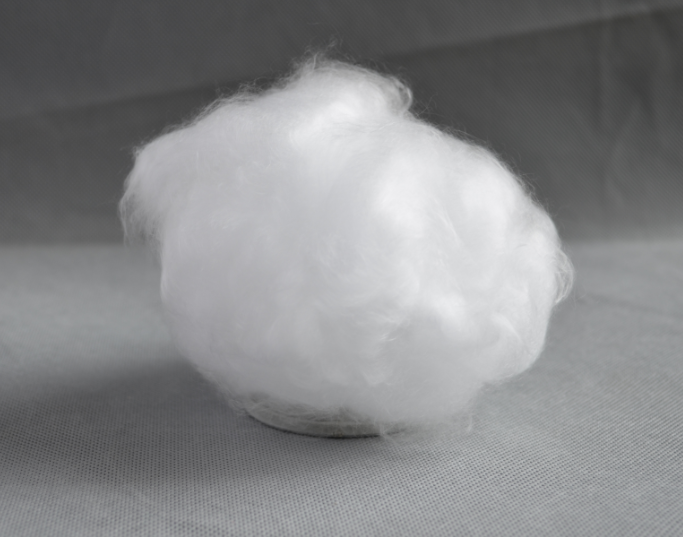
Quartz wool is a fibrous material made from high-purity quartz, which is primarily composed of silicon dioxide. It is produced by melting quartz and forming it into fine, flexible fibers that resemble wool in texture.
This material is known for its ability to withstand extremely high temperatures while maintaining structural stability. Unlike traditional insulation materials, quartz wool does not easily degrade or release harmful substances when exposed to heat. Its purity also makes it suitable for sensitive environments, such as laboratories and electronic applications.
Key Properties of Quartz Wool
Quartz wool offers a range of outstanding properties that make it suitable for high-performance applications:
- Exceptional Heat Resistance – Can withstand temperatures above 1000°C without significant degradation
- Low Thermal Conductivity – Provides excellent insulation performance
- High Chemical Stability – Resistant to acids, oxidation, and corrosive environments
- High Purity – Minimal impurities, ideal for laboratory and analytical uses
- Low Thermal Expansion – Maintains stability under temperature fluctuations
These properties allow quartz wool to perform reliably in extreme and demanding environments.
Technical Specifications to Consider
When selecting quartz wool for industrial or laboratory use, several technical specifications should be evaluated:
- Fiber Diameter – Influences flexibility and insulation performance
- Bulk Density – Affects thermal insulation efficiency and mechanical strength
- Temperature Rating – Indicates maximum continuous operating temperature
- Purity Level – Determines suitability for sensitive applications
- Moisture Resistance – Important for long-term performance in humid conditions
Carefully reviewing these parameters ensures that the material meets the specific requirements of the application.
Manufacturing Process of Quartz Wool
The production of quartz wool involves melting high-purity quartz at extremely high temperatures. The molten material is then drawn or blown into fine fibers, which are collected and formed into wool-like structures.
Advanced manufacturing techniques ensure consistent fiber size and uniform distribution. In some cases, additional treatments may be applied to enhance specific properties such as handling strength or moisture resistance.
This precise process ensures that quartz wool maintains its performance characteristics even in challenging environments.
Industrial Uses of Quartz Wool
Quartz wool is widely used across various industries due to its versatility and performance:
- Laboratory Applications – Used as a filtration and packing material in analytical processes
- High-Temperature Furnaces – Provides insulation and thermal protection
- Chemical Processing – Resistant to corrosive environments and high temperatures
- Electronics Industry – Used in applications requiring high purity and insulation
- Industrial Equipment – Serves as a sealing, insulation, or protective material
Its adaptability makes quartz wool a valuable material in both industrial and scientific settings.
Advantages Over Conventional Materials
Compared to standard insulation materials, quartz wool offers several advantages:
- Higher Temperature Resistance – Suitable for extreme heat conditions
- Better Chemical Resistance – Performs well in aggressive environments
- Longer Service Life – Maintains integrity over time
- Cleaner Composition – Ideal for sensitive and high-purity applications
These benefits make quartz wool a preferred choice for specialized applications where performance cannot be compromised.
Handling and Storage Guidelines
Proper handling of quartz wool is important to ensure safety and maintain material performance. It should be stored in a clean, dry environment to prevent contamination.
When handling the material, protective equipment such as gloves and masks may be recommended to avoid irritation from fine fibers. Regular inspection helps ensure the material remains effective during use.
Following these guidelines can extend the lifespan and reliability of quartz wool in industrial applications.

Quartz wool is a high-performance material that combines exceptional thermal resistance, chemical stability, and purity. Its ability to function effectively in extreme environments makes it indispensable in laboratories, industrial processing, and high-temperature applications.
By understanding its properties, specifications, and industrial uses, professionals can select the right quartz wool for their needs and ensure optimal performance. As industries continue to demand advanced materials, quartz wool will remain a key solution for reliable insulation and high-temperature applications.
Mar-20-2026