


In industrial environments such as ceramics production, metallurgy, glass manufacturing, and heat treatment processing, kiln performance directly determines product quality and operational efficiency. Quartz Wool Heat Resistant Filling Wool Extends Kiln Service Life Effectively by providing stable thermal insulation in extreme temperature conditions, helping equipment maintain consistent heat distribution during continuous operation.
Kilns operate under long-term high thermal loads, which makes insulation materials a critical component rather than an auxiliary one. When insulation performance declines, energy consumption increases, temperature stability becomes harder to control, and structural components are exposed to greater thermal stress. Quartz wool filling material helps reduce these issues by maintaining a stable thermal barrier inside the kiln structure.
Why quartz wool performs well in high-temperature industrial applications
Quartz wool is widely used in high-temperature insulation systems because of its excellent thermal resistance and low thermal conductivity. In practical industrial use, it helps reduce heat loss from kiln walls, improving energy utilization efficiency and supporting stable internal temperature zones.
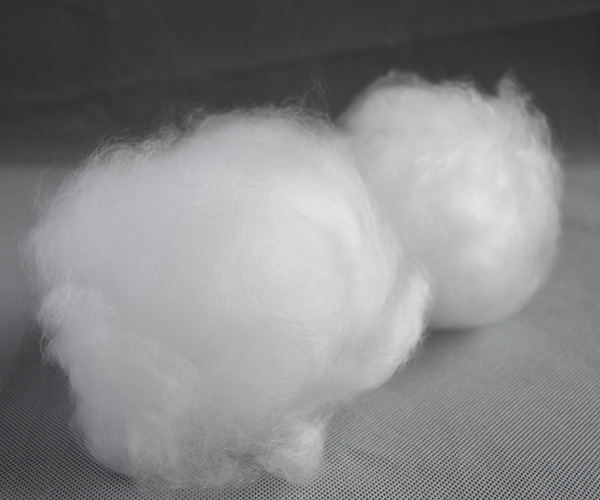
One of the key advantages in real production environments is its fiber structure, which creates numerous air pockets that slow down heat transfer. This structure allows kilns to maintain consistent operating conditions even under continuous heating cycles.
In addition, quartz wool maintains structural stability in demanding thermal environments, which helps reduce deformation risks in insulation layers. This contributes to smoother kiln operation and more predictable thermal behavior during production.
Improving kiln efficiency through stable thermal insulation layers
In real-world manufacturing, kiln efficiency is not only about reaching high temperatures but maintaining them with minimal energy fluctuation. Quartz wool filling insulation plays an important role in stabilizing internal heat distribution.
When applied properly, it reduces heat escape through kiln walls and minimizes temperature variation across different zones. This stability is especially important in processes that require precise thermal control, such as sintering, annealing, and firing.
As a result, production systems can achieve more consistent output quality, reduce thermal stress on equipment structures, and improve overall process reliability.
Extending kiln service life through thermal stress reduction
One of the main causes of kiln wear is repeated thermal expansion and contraction. Over time, this creates stress on refractory materials and structural components. Quartz Wool Heat Resistant Filling Wool Extends Kiln Service Life Effectively by reducing temperature fluctuations and buffering thermal transitions.
By maintaining a more stable internal environment, it helps reduce mechanical strain on kiln linings and supporting structures. This leads to slower material degradation and improved long-term operational stability.
In industrial practice, this translates into fewer interruptions in production cycles and more consistent equipment performance under high-load conditions.
Practical applications across different industrial sectors
Quartz wool filling insulation is widely used in various high-temperature industries. In ceramics manufacturing, it supports uniform firing conditions that improve product consistency. In metallurgy, it helps maintain stable heat treatment environments for metal components. In glass production, it contributes to controlled melting and shaping processes.
In each of these applications, the need for reliable thermal insulation is essential. Quartz wool helps create a controlled thermal environment that supports precision manufacturing requirements.
Its adaptability also makes it suitable for different kiln structures, including tunnel kilns, batch kilns, and continuous heating systems.
Installation flexibility and long-term performance stability
In industrial applications, installation quality has a direct impact on insulation performance. Quartz wool filling material can be adapted to different kiln geometries, allowing it to fill gaps and irregular spaces effectively.
Once installed, it remains stable under high temperatures and does not easily shift or compress under normal operating conditions. This stability helps maintain consistent insulation performance over long production cycles.
The lightweight nature of quartz wool also reduces structural load on kiln systems, which is beneficial for both new equipment design and retrofit applications.
Energy efficiency benefits in continuous production environments
Energy consumption is a major operational concern in high-temperature industries. Quartz Wool Heat Resistant Filling Wool Extends Kiln Service Life Effectively while also contributing to improved energy efficiency by reducing heat loss.
When thermal insulation is optimized, kilns require less energy input to maintain target temperatures. This can improve overall production efficiency and support more stable energy management strategies.
In continuous production environments, this efficiency translates into smoother operation and better control over thermal processes.
Supporting modern industrial manufacturing requirements
Modern manufacturing demands higher precision, better energy utilization, and more stable production systems. Quartz wool insulation aligns with these requirements by providing reliable thermal control in demanding environments.
It supports consistent process conditions, which is essential for industries that rely on strict temperature profiles. This helps manufacturers maintain product consistency and improve process predictability.
As industrial systems become more automated and efficiency-focused, the role of advanced insulation materials becomes increasingly important.
Choosing a reliable supplier for consistent material performance
In high-temperature insulation applications, material consistency and quality control are essential. Working with a reliable supplier ensures that quartz wool filling materials meet industrial performance requirements and maintain stable behavior under thermal stress.
SHENJIU provides quartz wool heat resistant filling materials designed for industrial kiln applications, supporting manufacturers in ceramics, metallurgy, and thermal processing industries. Their focus on material stability and application performance helps ensure reliable insulation outcomes in demanding environments.
Insulation materials as a key factor in kiln longevity
Quartz Wool Heat Resistant Filling Wool Extends Kiln Service Life Effectively by improving thermal stability, reducing heat loss, and minimizing structural stress. In industrial kiln systems, insulation is not just a supporting material but a core factor influencing efficiency, durability, and production consistency.
By selecting appropriate quartz wool insulation and ensuring proper application, manufacturers can achieve more stable kiln performance and improved operational reliability across different high-temperature processes.
Jul-06-2026