


In industries where extreme temperatures are part of daily operations, selecting the right insulation material is critical. Quartz wool has emerged as a highly reliable solution for high-temperature insulation due to its exceptional thermal stability, durability, and purity. As industrial processes become more advanced and demanding, materials like quartz wool are gaining increasing attention for their ability to perform under intense conditions.
Quartz wool is made from high-purity silica fibers, offering outstanding resistance to heat, chemical corrosion, and thermal shock. Its unique structure allows it to maintain integrity even in environments where traditional insulation materials may fail.
What Is Quartz Wool and How Is It Made
Quartz wool is a fibrous material produced from natural quartz or high-purity silica. The manufacturing process involves melting quartz at extremely high temperatures and then drawing it into fine fibers. These fibers are then processed into wool-like structures that can be used for insulation purposes.
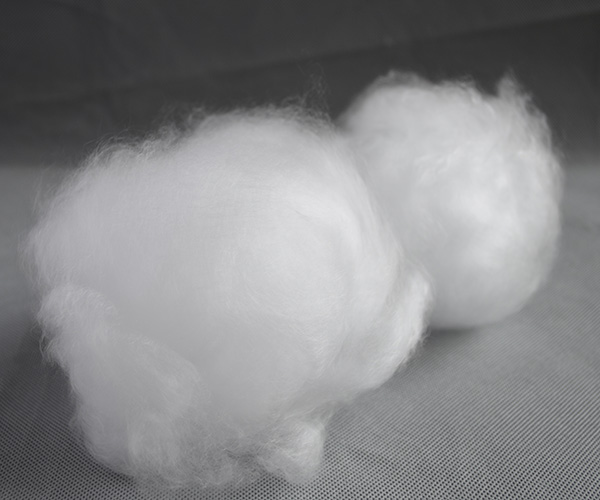
The resulting material is lightweight, flexible, and highly resistant to heat. Unlike many synthetic insulation materials, quartz wool contains minimal impurities, which enhances its thermal and chemical performance. This purity also makes it suitable for sensitive applications where contamination must be avoided.
Its fibrous structure creates numerous air pockets, which significantly reduce heat transfer. This is one of the key reasons quartz wool is so effective as an insulation material in high-temperature environments.
Key Properties That Make Quartz Wool Stand Out
Quartz wool offers a combination of physical and chemical properties that make it particularly suitable for extreme conditions. One of its most notable features is its high temperature resistance. It can typically withstand temperatures exceeding 1000°C without losing structural integrity.
Another important property is its low thermal conductivity. This allows quartz wool to effectively minimize heat loss or transfer, improving energy efficiency in industrial systems.
Quartz wool also demonstrates excellent resistance to chemical corrosion. It remains stable when exposed to acids, gases, and other harsh substances, making it ideal for use in challenging environments.
In addition, the material has strong thermal shock resistance, meaning it can handle rapid temperature changes without cracking or degrading. This is especially valuable in processes involving frequent heating and cooling cycles.
Advantages of Quartz Wool in High Temperature Applications
Quartz wool provides several advantages that make it a preferred choice for high-temperature insulation. Its durability ensures long-term performance, reducing the need for frequent replacement and maintenance.
The material is also lightweight and easy to handle, which simplifies installation and reduces labor costs. Its flexibility allows it to fit into complex shapes and tight spaces, providing comprehensive insulation coverage.
Another key benefit is its environmental stability. Quartz wool does not release harmful substances when exposed to high temperatures, making it a safer option for both workers and the surrounding environment.
Furthermore, its high purity makes it suitable for applications where contamination control is critical, such as in laboratories and semiconductor manufacturing.
Common Applications of Quartz Wool
Quartz wool is widely used across various industries due to its versatility and performance. In industrial furnaces and kilns, it serves as an effective insulation material that helps maintain consistent temperatures and improve energy efficiency.
In laboratories, quartz wool is often used for filtration and thermal insulation in high-temperature experiments. Its purity ensures that it does not interfere with sensitive chemical reactions.
The material is also commonly found in the petrochemical industry, where it is used to insulate pipelines and equipment exposed to extreme heat and corrosive substances.
In addition, quartz wool plays an important role in electronics and semiconductor manufacturing, where precise temperature control and contamination-free environments are essential.
Quartz Wool vs Traditional Insulation Materials
Compared to traditional insulation materials, quartz wool offers superior performance in high-temperature environments. Its ability to withstand extreme heat without degradation sets it apart from many conventional options.
It also provides better chemical resistance, making it suitable for more demanding applications. While traditional materials may degrade or release contaminants under high temperatures, quartz wool maintains its stability and purity.
Another advantage is its longevity. The durability of quartz wool translates into lower long-term costs, as it requires less frequent replacement.
These characteristics make quartz wool a forward-looking solution for industries that prioritize efficiency, safety, and reliability.
Installation and Handling Best Practices
Proper installation and handling are essential to maximize the performance of quartz wool. Due to its fibrous nature, it should be handled with care to maintain its structure and effectiveness.
When installing quartz wool, it is important to ensure even distribution and adequate coverage. Gaps or uneven layers can reduce insulation efficiency.
Using appropriate protective equipment during handling is recommended to ensure safety. Although quartz wool is stable, fine fibers may cause minor irritation if not handled properly.
Storing the material in a dry and clean environment helps preserve its quality and performance over time.
Maintenance and Longevity
Quartz wool is known for its durability and long service life. In most applications, it requires minimal maintenance once properly installed.
Regular inspections can help ensure that the material remains in good condition and continues to provide effective insulation. If any sections become compressed or damaged, they can be easily replaced.
Its resistance to heat, chemicals, and thermal shock contributes to its longevity, making it a cost-effective solution over time.
Environmental and Safety Considerations
Sustainability and safety are increasingly important in material selection. Quartz wool aligns well with these priorities due to its stability and non-toxic nature.
It does not emit harmful gases when exposed to high temperatures, contributing to a safer working environment. Its long lifespan also reduces waste, supporting more sustainable industrial practices.
Additionally, its high efficiency in reducing heat loss can lead to lower energy consumption, further enhancing its environmental benefits.
Future Trends and Innovations in Quartz Wool
As industries continue to evolve, the demand for advanced insulation materials like quartz wool is expected to grow. Ongoing research is focused on improving fiber structure, enhancing performance, and expanding application areas.
Innovations may include improved manufacturing techniques that increase efficiency and reduce costs, as well as the development of specialized variants tailored to specific industries.
Quartz wool is likely to play a key role in future technologies that require reliable high-temperature insulation.
A Reliable High Temperature Insulation Choice
Quartz wool stands out as a high-performance insulation material designed to meet the challenges of extreme environments. Its combination of thermal stability, chemical resistance, and durability makes it a trusted choice across multiple industries.
By understanding its properties, applications, and benefits, businesses and professionals can make informed decisions when selecting insulation solutions. Quartz wool not only delivers reliable performance but also supports efficiency, safety, and sustainability in modern industrial operations.
May-06-2026