


Quartz wool has emerged as a critical material in industries that demand exceptional thermal stability, chemical resistance, and long-term reliability under extreme conditions. From aerospace engineering to high-temperature industrial processing, its unique properties enable it to outperform many conventional insulation materials. As global industries push the boundaries of temperature tolerance and operational efficiency, understanding the performance of quartz wool in extreme temperatures becomes increasingly important.
What Is Quartz Wool?
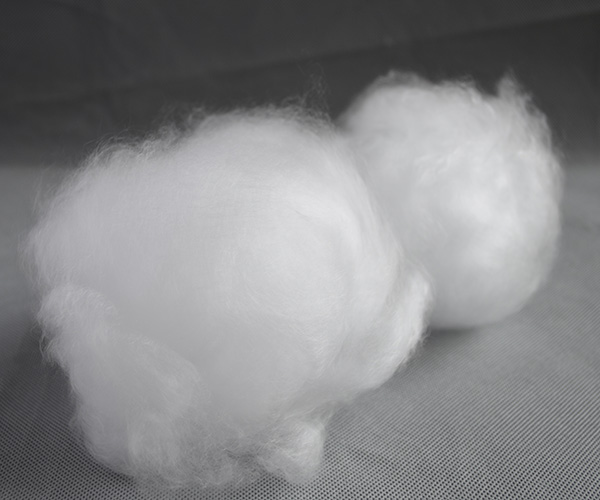
Quartz wool is a high-purity fibrous material made from natural quartz (silicon dioxide, SiO₂). Through specialized melting and fiberization processes, quartz is transformed into ultra-fine, flexible fibers that can be formed into wool-like structures. These fibers retain the inherent properties of quartz, including high melting points and excellent dielectric performance.
Unlike traditional insulation materials, quartz wool is engineered for environments where temperatures can exceed 1000°C, making it particularly suitable for extreme thermal applications.
Thermal Stability at High Temperatures
One of the most defining characteristics of quartz wool is its exceptional thermal stability. Quartz fibers can withstand continuous exposure to temperatures up to approximately 1050°C, with short-term resistance reaching even higher levels.
At elevated temperatures, quartz wool maintains its structural integrity without significant shrinkage or deformation. This stability is attributed to the strong silicon-oxygen bonds within the quartz structure, which require substantial energy to break. As a result, quartz wool performs reliably in furnaces, kilns, and high-temperature reactors.
Additionally, quartz wool exhibits minimal thermal expansion, reducing the risk of cracking or mechanical failure during rapid temperature fluctuations.
Performance in Low-Temperature Environments
While quartz wool is widely recognized for high-temperature performance, it also demonstrates remarkable stability in extremely low-temperature conditions. It remains flexible and does not become brittle even in cryogenic environments.
This dual capability makes quartz wool an excellent choice for applications involving both high heat and deep cold, such as aerospace systems and advanced scientific equipment. Its resistance to thermal shock ensures consistent performance across wide temperature ranges.
Thermal Insulation Efficiency
Quartz wool offers excellent thermal insulation properties due to its low thermal conductivity. The fibrous structure traps air within its matrix, significantly reducing heat transfer through conduction and convection.
In high-temperature systems, effective insulation is critical for energy efficiency and safety. Quartz wool minimizes heat loss, maintains stable internal temperatures, and reduces energy consumption. This contributes to improved operational efficiency and lower environmental impact.
Moreover, its insulation performance remains consistent over time, even after prolonged exposure to extreme temperatures.
Chemical and Environmental Resistance
Quartz wool is highly resistant to most chemicals, including acids and corrosive gases. This resistance enhances its durability in harsh industrial environments where chemical exposure is common.
In addition, quartz wool does not release harmful substances when exposed to high temperatures. It is non-combustible and does not produce toxic fumes, making it a safe choice for applications requiring stringent safety standards.
Its resistance to moisture and oxidation further extends its lifespan, ensuring reliable performance in both indoor and outdoor environments.
Mechanical Properties Under Thermal Stress
Extreme temperatures often lead to mechanical degradation in many materials, but quartz wool maintains its performance under thermal stress. Its fibers retain tensile strength and flexibility, even after repeated heating and cooling cycles.
This resilience reduces maintenance requirements and prolongs the service life of equipment. It also minimizes the risk of insulation failure, which can lead to costly downtime or safety hazards.
Applications in High-Temperature Industries
Quartz wool is widely used across various industries that operate under extreme thermal conditions.
In aerospace applications, it serves as thermal insulation for engine components, heat shields, and exhaust systems. Its lightweight nature and high-temperature resistance make it ideal for reducing overall system weight while maintaining safety.
In metallurgy and glass manufacturing, quartz wool is used in furnaces and kilns to maintain consistent temperatures and improve energy efficiency.
In electronics and semiconductor industries, quartz wool provides thermal management and electrical insulation, ensuring the stability of sensitive components.
Additionally, it is used in laboratory environments for high-temperature filtration and insulation in analytical equipment.
Advantages Over Conventional Insulation Materials
Compared to traditional insulation materials, quartz wool offers several distinct advantages:
It provides superior thermal resistance, enabling operation at higher temperatures without degradation.
Its high purity ensures minimal contamination, which is essential in precision industries such as electronics and pharmaceuticals.
Quartz wool also delivers excellent dielectric properties, making it suitable for applications requiring electrical insulation.
Furthermore, its long service life and low maintenance requirements contribute to cost efficiency over time.
Sustainability and Environmental Impact
Sustainability is an increasingly important consideration in material selection. Quartz wool aligns well with environmental goals due to its durability and energy-saving capabilities.
By improving thermal efficiency, it reduces energy consumption and associated emissions. Its long lifespan minimizes waste and the need for frequent replacement.
Additionally, quartz wool is derived from natural quartz, an abundant and stable resource, supporting sustainable material sourcing practices.
Best Practices for Handling and Installation
To maximize the performance of quartz wool, proper handling and installation are essential.
It should be installed in a way that preserves its fibrous structure, ensuring optimal insulation performance. Protective equipment may be recommended during handling to avoid irritation from fine fibers.
Ensuring a proper fit and avoiding gaps in insulation layers can significantly enhance thermal efficiency. Regular inspections help maintain performance and identify any potential issues early.
Future Trends and Innovations
Advancements in material science continue to enhance the performance of quartz wool. Innovations focus on improving fiber uniformity, increasing temperature resistance, and optimizing manufacturing processes.
Emerging applications in renewable energy, such as concentrated solar power systems, are driving further demand for high-performance insulation materials like quartz wool.
As industries evolve, quartz wool is expected to play an even more significant role in enabling high-temperature technologies.
Quartz wool stands out as a highly reliable and versatile material for extreme temperature environments. Its exceptional thermal stability, insulation efficiency, chemical resistance, and mechanical durability make it a preferred choice across multiple high-performance industries.
By combining proven material science with practical application experience, quartz wool continues to meet the demanding requirements of modern engineering. As technological advancements push operational limits, its role in ensuring safety, efficiency, and sustainability will only grow stronger.
Apr-28-2026