


Choosing the right insulation material is an important decision for industries that operate under high-temperature conditions. Whether used in aerospace, semiconductor manufacturing, industrial furnaces, laboratories, energy equipment, or advanced manufacturing processes, insulation materials need to provide reliable thermal protection, stable performance, and suitable application flexibility.
Quartz wool and ceramic wool are both commonly considered for thermal insulation applications, but they have different material characteristics and usage advantages. Understanding their properties can help engineers, manufacturers, and purchasing teams select the right solution based on actual operating requirements.
The best insulation material is not simply determined by one factor. Temperature requirements, chemical environment, mechanical conditions, installation method, and long-term application goals all influence the final choice.
For businesses looking for professional quartz fiber insulation solutions, SHENJIU provides specialized quartz wool and quartz fiber products designed for demanding industrial applications, helping customers select suitable materials according to their project requirements.
Quartz Wool Characteristics and Application Advantages
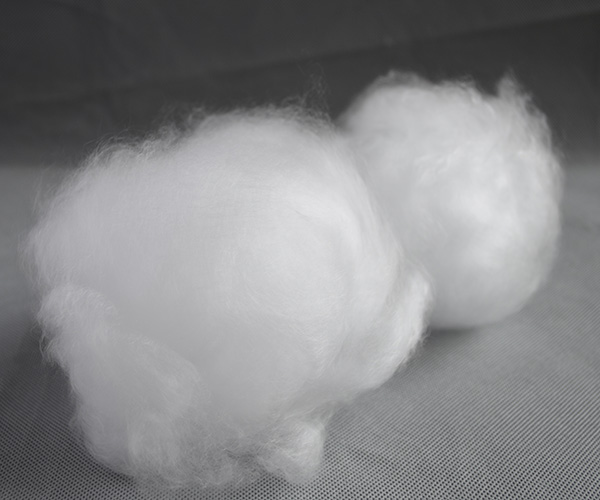
Quartz wool is an advanced insulation material made from high-purity quartz fibers. It is valued for its excellent thermal stability, low thermal conductivity, and strong resistance to high-temperature environments.
One of the key advantages of quartz wool is its ability to maintain stable performance in demanding temperature conditions. This makes it suitable for applications where consistent insulation performance is important, such as precision equipment, thermal protection systems, and specialized industrial environments.
Quartz wool also offers good flexibility and lightweight characteristics. These features make it easier to handle and install in applications where space, weight, or complex structures need to be considered.
For industries that require high-purity materials, quartz wool can be a suitable choice because of its clean material composition and reliable insulation performance.
Ceramic Wool Characteristics and Common Industrial Uses
Ceramic wool is a fiber-based insulation material commonly used in various industrial thermal protection applications. It is designed to provide effective heat insulation and is often selected for equipment that requires thermal management.
Its lightweight structure and insulation capability make it useful in areas such as industrial heating systems, furnace insulation, and thermal processing equipment.
When selecting ceramic wool, users usually consider factors such as operating temperature, installation environment, and required insulation performance. The material choice should match the specific conditions of the application to achieve suitable results.
Different industrial processes have different requirements, so understanding the working environment is essential before choosing any insulation material.
Comparing Thermal Performance and Material Properties
When comparing quartz wool and ceramic wool, thermal performance is one of the most important considerations.
Quartz wool is known for its high-purity quartz fiber structure, which provides excellent thermal stability and reliable insulation performance in specialized high-temperature applications. It is often selected where material purity and consistent performance are important.
Ceramic wool provides practical thermal insulation characteristics for many industrial applications and is commonly used where general heat protection and lightweight insulation are required.
The better choice depends on the actual application. Industries requiring specialized insulation performance may benefit from quartz wool solutions, while other applications may focus on different material characteristics based on equipment design and operating conditions.
Choosing the Right Insulation Material for Your Application
Before purchasing insulation materials, users should evaluate several important factors instead of selecting based only on basic specifications.
The first consideration is operating temperature. Different applications require different levels of thermal protection, so the insulation material should match the actual temperature environment.
The second consideration is installation requirements. The shape of equipment, available space, and installation method can influence whether a flexible fiber material or another insulation format is more suitable.
Chemical compatibility is also important. Some industrial environments involve specific gases, processes, or materials that require careful material selection.
Finally, product quality and supplier experience should be considered. Reliable material consistency helps ensure stable performance during practical applications.
Industrial Applications of Quartz Wool Insulation
Quartz wool is widely used in industries that require dependable high-temperature insulation solutions. Common applications include semiconductor equipment, aerospace thermal protection, laboratory systems, optical equipment, and specialized industrial machinery.
In semiconductor and precision manufacturing environments, insulation materials often need to meet strict performance requirements. Quartz wool can support thermal management while maintaining stable characteristics.
For aerospace and advanced equipment applications, lightweight insulation materials are valuable because reducing unnecessary weight can improve overall system efficiency.
Industrial users choosing quartz wool typically focus on material purity, thermal performance, and application reliability.
Why Supplier Expertise Matters When Selecting Quartz Wool
Selecting the right insulation material requires more than choosing a product specification. Professional supplier support can help customers better understand material characteristics, application requirements, and suitable product options.
SHENJIU specializes in quartz fiber products and provides professional quartz wool solutions for industrial customers. With experience in quartz fiber material development and manufacturing, SHENJIU supports customers in selecting suitable insulation materials based on different application needs.
A professional supplier can provide technical communication, customized product solutions, and consistent material quality to help customers achieve better application results.
Making a Practical Decision Between Quartz Wool and Ceramic Wool
The choice between quartz wool and ceramic wool depends on the specific needs of the project. Factors such as temperature environment, insulation requirements, material properties, and application conditions should all be evaluated carefully.
Quartz wool offers advantages for applications requiring high-purity materials, stable thermal performance, and advanced insulation characteristics. Ceramic wool may be suitable for applications where practical thermal insulation performance and lightweight structure are important considerations.
By understanding the differences between these materials and working with an experienced supplier like SHENJIU, businesses can make more informed decisions and select insulation solutions that better match their operational requirements.
The right insulation material can contribute to improved equipment performance, better thermal management, and more reliable industrial processes.
Aug-20-2026