


Insulation materials play a critical role in modern industrial manufacturing, thermal protection systems, electronics, aerospace engineering, and laboratory environments. As industries continue to demand higher thermal stability, cleaner processing environments, and improved material durability, quartz wool has become increasingly important for applications involving extreme temperatures and precision performance.
Quartz wool is widely recognized for its high purity, excellent heat resistance, low thermal conductivity, and chemical stability. Compared with many traditional insulation materials, it offers unique advantages in environments where thermal reliability and material consistency are essential.
Understanding the key differences between quartz wool and other insulation materials can help engineers, manufacturers, and industrial buyers select the right solution for their operational requirements. This article explores the major characteristics, performance benefits, and practical applications of quartz wool while comparing it with commonly used insulation solutions across multiple industries.
What Is Quartz Wool
Quartz wool is a high-temperature insulation material produced from high-purity quartz fibers. These fibers are manufactured through advanced melting and fiberizing processes that create lightweight, flexible, and thermally stable insulation products.
One of the defining characteristics of quartz wool is its ability to withstand extremely high temperatures while maintaining structural integrity. Its high silica content contributes to exceptional thermal resistance and excellent dielectric performance.
Quartz wool is commonly used in semiconductor manufacturing, thermal processing equipment, aerospace systems, laboratory furnaces, electronic insulation, and industrial heating applications where stable thermal management is critical.
The material is also valued for its low contamination properties, making it suitable for clean manufacturing environments that require minimal impurities.
Thermal Resistance and Temperature Stability
One of the most important differences between quartz wool and many other insulation materials is its superior thermal resistance.
Quartz wool can maintain stable performance under extremely high temperatures for extended periods. This makes it highly suitable for industrial furnaces, high-temperature reactors, thermal processing systems, and advanced electronic manufacturing.
Many conventional insulation materials may gradually lose structural stability when exposed to continuous high heat. In contrast, quartz wool offers excellent dimensional stability and retains its insulation performance even in demanding thermal conditions.
Its low thermal expansion properties further improve reliability during repeated heating and cooling cycles. This characteristic is particularly important in precision industrial environments where temperature fluctuations can affect manufacturing accuracy.
For applications requiring consistent heat management and thermal reliability, quartz wool provides significant long-term advantages.
Purity and Contamination Control
Material purity is another area where quartz wool offers important advantages.
High-purity quartz wool contains very low levels of metallic impurities and contaminants. This feature is especially valuable in semiconductor fabrication, electronics manufacturing, optical systems, and laboratory environments where contamination control is essential.
Some insulation materials may release particles or impurities under high-temperature operation, potentially affecting sensitive manufacturing processes. Quartz wool helps minimize contamination risks and supports cleaner operational conditions.
Its chemical stability also contributes to improved process consistency in environments that require strict material control standards.
Industries focused on precision manufacturing often prioritize insulation materials that maintain both thermal performance and material purity during long-term operation.
Lightweight Structure and Flexibility
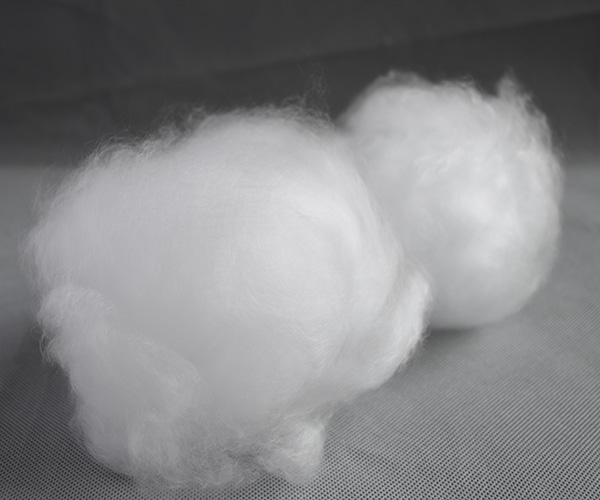
Quartz wool is known for its lightweight and flexible fiber structure. This provides advantages in applications requiring easy installation, customized shaping, or reduced system weight.
Compared with denser insulation materials, quartz wool can often simplify handling and integration into complex thermal systems. Its flexibility allows it to fit irregular surfaces and compact equipment designs more effectively.
In aerospace and advanced industrial systems, reducing overall material weight can contribute to improved energy efficiency and system performance. Lightweight insulation materials also help reduce structural load in high-performance equipment.
The soft fiber structure of quartz wool supports easier processing while maintaining strong insulation properties.
Electrical Insulation Performance
Quartz wool also performs exceptionally well in electrical insulation applications.
Its high dielectric strength and low electrical conductivity make it suitable for electronic systems operating under elevated temperatures. This is particularly important in semiconductor equipment, electrical heating systems, and advanced industrial electronics.
Reliable electrical insulation helps improve operational safety while supporting stable electronic performance in demanding environments.
Quartz wool’s combination of thermal resistance and electrical insulation capability makes it a versatile material across multiple high-technology industries.
As electronic systems continue to operate at higher speeds and temperatures, insulation materials with stable dielectric properties become increasingly important.
Chemical Stability and Durability
Industrial insulation materials are often exposed to aggressive chemical environments, thermal cycling, moisture, and long operating hours. Quartz wool demonstrates strong resistance to many of these conditions.
Its chemical stability allows it to maintain performance in environments involving high heat and exposure to industrial processing conditions. The material is less likely to degrade rapidly under thermal stress, contributing to longer operational life.
Durable insulation materials help reduce maintenance frequency and improve equipment reliability over time.
Quartz wool also resists many forms of thermal aging, making it suitable for applications requiring long-term performance stability.
For industrial users focused on reducing operational interruptions, durable insulation solutions provide valuable economic and performance benefits.
Applications Across Advanced Industries
Quartz wool is widely used across industries requiring reliable thermal insulation and high material purity.
In semiconductor manufacturing, quartz wool helps maintain stable thermal environments and supports contamination-sensitive production processes.
In aerospace applications, the material contributes to lightweight thermal protection systems capable of handling extreme operating conditions.
Laboratories use quartz wool in furnaces, analytical equipment, and high-temperature testing systems due to its thermal reliability and clean material characteristics.
Industrial heating systems, thermal reactors, electronic insulation assemblies, and optical manufacturing equipment also benefit from the material’s performance properties.
Its versatility continues to expand as industries demand more advanced thermal management solutions.
Choosing the Right Insulation Material
Selecting the proper insulation material depends on several operational factors, including temperature range, purity requirements, system weight, electrical insulation needs, and long-term durability expectations.
Quartz wool is particularly suitable for environments involving extreme temperatures, precision manufacturing, sensitive electronics, and contamination-controlled production systems.
Engineers and industrial buyers should carefully evaluate thermal performance, chemical stability, installation requirements, and operational lifespan when selecting insulation materials.
High-performance insulation solutions can improve energy efficiency, process reliability, and equipment longevity across demanding industrial environments.
As manufacturing technologies continue advancing, materials capable of delivering stable performance under increasingly complex conditions become more valuable.
Quartz wool stands out as a high-performance insulation material due to its excellent thermal resistance, high purity, lightweight structure, electrical insulation capability, and long-term durability.
Compared with many conventional insulation solutions, quartz wool offers significant advantages for industries requiring reliable performance in high-temperature and precision-controlled environments.
Its ability to maintain stable thermal management while supporting contamination control makes it highly valuable in semiconductor manufacturing, aerospace engineering, electronics, laboratories, and advanced industrial systems.
As industrial technologies evolve and thermal requirements become more demanding, quartz wool continues to play an important role in supporting safe, efficient, and high-performance operations across a wide range of applications.
May-11-2026