


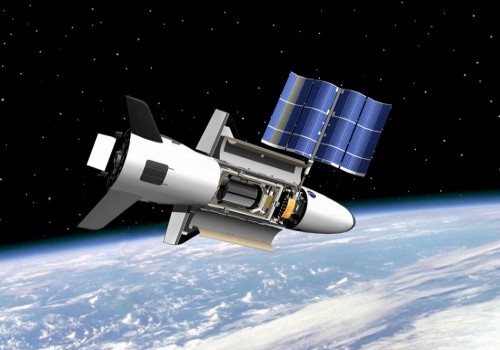
Low Earth Orbit (LEO) has become one of the most active areas for satellite deployment, supporting communication networks, Earth observation, scientific research, and commercial space applications. However, satellites operating in this environment face unique challenges that require advanced material solutions.
One of the most important challenges is atomic oxygen exposure. At LEO altitudes, oxygen molecules are separated by ultraviolet radiation from the Sun, creating highly reactive atomic oxygen. When spacecraft materials are exposed to this environment for long periods, surface degradation can occur, affecting durability, thermal performance, and operational reliability.
For satellite manufacturers and aerospace engineers, selecting suitable protective materials is essential. Aerospace quartz fabric has become an important material option because of its excellent thermal stability, chemical resistance, and ability to maintain performance in demanding space environments.
Companies developing satellite structures, thermal protection systems, and aerospace components often require reliable quartz fiber solutions. SHENJIU provides aerospace quartz fabric products designed for high-performance applications, helping engineers develop durable materials for advanced aerospace projects.
Understanding Atomic Oxygen Exposure in Low Earth Orbit Applications
Satellites operating in LEO typically travel at altitudes where atomic oxygen concentration is significant. Although atomic oxygen exists in extremely low density compared with conditions on Earth, the high orbital speed of spacecraft increases the impact energy of these particles.
Over long missions, repeated exposure can affect certain surface materials. Aerospace structures need protective layers that can maintain physical integrity while facing continuous environmental interaction.
For satellite designers, the challenge is not only protecting the outer surface. Materials must also maintain lightweight characteristics, thermal stability, and compatibility with other spacecraft components.
This is why aerospace material selection requires careful consideration of environmental resistance, manufacturing requirements, and long-term mission performance.
The Protective Advantages of Aerospace Quartz Fabric
Aerospace quartz fabric is manufactured from high-purity quartz fibers, providing several properties that make it suitable for demanding aerospace environments.
One of the key advantages is high-temperature resistance. Spacecraft can experience significant temperature variations during orbital operation, especially when moving between sunlight exposure and shadow conditions. Quartz fabric helps maintain structural stability under changing thermal conditions.
Another important feature is chemical stability. Quartz fibers demonstrate strong resistance to many environmental influences, making them suitable for protective applications where material reliability is critical.
In satellite manufacturing, lightweight materials are also highly valuable. Every additional kilogram increases launch costs, so engineers continuously seek materials that provide strong performance without unnecessary weight.
Quartz fabric provides a balance between protection, durability, and lightweight design, making it a practical choice for aerospace applications.
Supporting Satellite Thermal Protection and Surface Protection Systems
Modern satellites use multiple protective approaches to maintain performance during long-term missions. Materials used in thermal blankets, protective layers, and composite structures must work together to manage extreme environmental conditions.
Aerospace quartz fabric can serve as a reinforcing or protective component in these systems. Its stable performance helps improve the reliability of aerospace structures exposed to thermal cycling and atomic oxygen environments.
For example, satellite manufacturers developing communication satellites may need materials that support long operational periods. Earth observation satellites require stable structures to ensure accurate data collection. Scientific spacecraft may face even more demanding environmental requirements.
In these applications, material selection directly influences mission reliability and equipment lifespan.
Meeting the Practical Needs of Aerospace Manufacturers
For aerospace companies, choosing materials is not only about technical specifications. Production requirements, consistency, customization capability, and supply reliability are equally important.
Manufacturers need aerospace materials that can integrate into existing production processes. Consistent fiber quality, stable manufacturing standards, and technical communication help reduce development challenges.
A professional quartz fabric supplier can support engineers by providing suitable material options based on application requirements.
SHENJIU specializes in quartz fiber products and provides aerospace quartz fabric solutions for industries requiring high-performance materials. With experience in quartz fiber manufacturing, SHENJIU helps customers select suitable products for applications involving thermal protection, composite reinforcement, and advanced aerospace structures.
Aerospace Quartz Fabric Applications Beyond Satellite Protection
Although atomic oxygen resistance is an important aerospace requirement, quartz fabric provides value in many other advanced applications.
In aerospace engineering, quartz fabrics can be used in composite reinforcement, thermal insulation systems, protective structures, and high-temperature applications.
For satellite component manufacturers, this versatility creates more design possibilities. Engineers can develop lightweight structures while maintaining strength and environmental resistance.
The growing demand for commercial space projects, satellite communication systems, and scientific missions continues to increase the need for reliable aerospace materials.
How Engineers Choose Suitable Quartz Fabric Materials
Selecting the right aerospace quartz fabric requires consideration of several practical factors.
First, engineers need to evaluate the operating environment, including temperature range, exposure conditions, and mission duration. Different applications may require different material specifications.
Second, manufacturing compatibility is important. The selected fabric should work effectively with composite materials, protective coatings, or other structural components.
Third, supply stability matters for aerospace projects. Long development cycles require dependable material sources that can support production planning.
Working with an experienced manufacturer helps companies make better material decisions and improve project efficiency.
Building More Reliable Future Satellite Systems with Advanced Materials
The future of space technology depends on materials that can support longer missions, improved performance, and more efficient designs.
As LEO satellite applications continue expanding, protection against environmental factors such as atomic oxygen will remain an important engineering consideration.
Aerospace quartz fabric provides a practical solution by combining thermal stability, chemical resistance, and lightweight characteristics. It helps aerospace engineers develop satellite systems capable of handling challenging orbital environments.
For companies searching for dependable quartz fiber solutions, SHENJIU offers professional manufacturing support and aerospace material expertise.
Through appropriate material selection and advanced engineering design, aerospace manufacturers can create more reliable satellite platforms and support the continued development of space technology.
Jul-22-2026