


The convergence of smart textiles and next-generation communication technologies is reshaping how humans interact with devices. As 6G research accelerates, integrating advanced materials such as quartz fiber yarn into wearable systems is emerging as a promising frontier. This innovation enables fabrics not only to sense and respond but also to transmit data at ultra-high speeds. By embedding 6G-compatible quartz fiber yarn into textiles, wearable communication devices are becoming more seamless, efficient, and durable.
What Are Smart Textiles
Smart textiles, also known as e-textiles, are fabrics embedded with digital components such as sensors, conductive fibers, and microelectronics. These textiles can monitor physiological signals, adapt to environmental conditions, and communicate data in real time. The evolution of smart textiles has moved from basic sensing capabilities to fully integrated communication systems, making them essential in healthcare, sports, military, and consumer electronics.
The Role of 6G in Wearable Technology
6G represents the next leap in wireless communication, expected to deliver terahertz frequency transmission, ultra-low latency, and massive connectivity. For wearable devices, this means faster data transfer, real-time analytics, and improved user experiences. Unlike previous generations, 6G is designed to support highly distributed and embedded networks, making it ideal for integration into fabrics and flexible materials.
Quartz Fiber Yarn: A Game-Changing Material
Quartz fiber yarn is known for its exceptional thermal stability, low dielectric loss, and high mechanical strength. These properties make it particularly suitable for high-frequency communication applications such as 6G. When used in textiles, quartz fibers can act as efficient transmission pathways, enabling stable signal propagation even in dynamic environments.
Additionally, quartz fiber yarn is lightweight and resistant to environmental stress, making it ideal for wearable applications that require durability and comfort. Its compatibility with advanced manufacturing techniques allows it to be woven seamlessly into fabrics without compromising flexibility.
Embedding 6G Quartz Fiber Yarn into Textiles
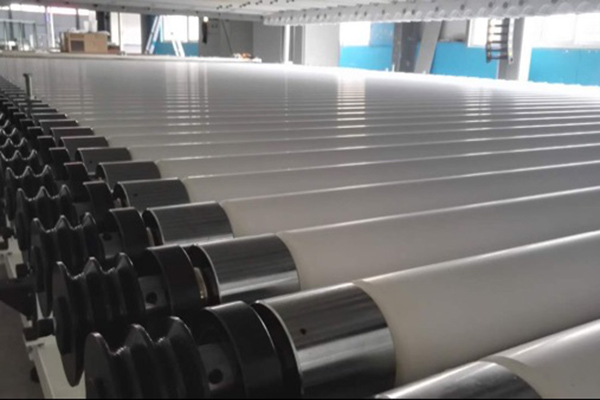
The integration process involves weaving or knitting quartz fiber yarn alongside traditional textile fibers. Advanced fabrication techniques ensure that the communication functionality does not interfere with the fabric’s comfort or aesthetics. Conductive coatings and micro-scale connectors are often used to enhance signal transmission and connect the textile to embedded electronic modules.
This approach transforms garments into communication platforms capable of transmitting and receiving data without the need for bulky external devices. The result is a new generation of wearables that are both functional and unobtrusive.
Applications of 6G-Enabled Smart Textiles
The potential applications of smart textiles embedded with 6G quartz fiber yarn are vast. In healthcare, they can enable continuous remote monitoring of vital signs and instant data transmission to medical professionals. In sports, athletes can benefit from real-time performance analytics and injury prevention insights.
Military and defense sectors can use these textiles for secure communication and situational awareness. In consumer electronics, everyday clothing could become an interface for augmented reality, navigation, and communication, eliminating the need for handheld devices.
Future Outlook
The future of smart textiles lies in deeper integration with communication technologies like 6G. As materials science and wireless engineering continue to advance, the line between clothing and devices will blur. Quartz fiber yarn is expected to play a critical role in this transformation, enabling high-performance, reliable, and comfortable wearable communication systems.
Collaboration between textile manufacturers, telecommunications experts, and electronics engineers will be essential to unlock the full potential of this innovation. As the ecosystem matures, smart textiles could become a standard component of everyday life.
Embedding 6G quartz fiber yarn into smart textiles represents a significant step forward in wearable technology. By combining advanced materials with cutting-edge communication capabilities, this innovation opens the door to a new era of connected living. As research and development continue, smart textiles are poised to become a cornerstone of the 6G ecosystem, offering unprecedented convenience, efficiency, and functionality.
Mar-30-2026