


In modern construction, industrial insulation, HVAC systems, and mechanical installations, one of the most common challenges is managing gaps. These gaps may appear between pipes, walls, ducts, machinery structures, or high-temperature equipment assemblies. If left untreated, they can lead to heat loss, sound leakage, vibration transfer, or even structural inefficiency.
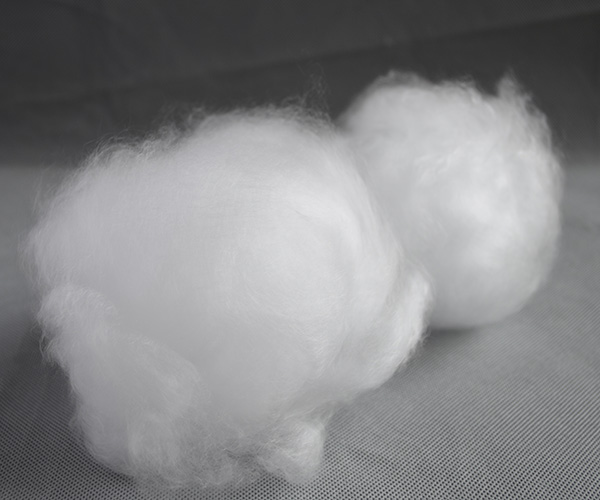
Soft texture quartz glass wool has become a highly practical solution for these issues because it offers excellent compressibility, thermal stability, and sealing capability. Unlike rigid materials, its soft structure allows it to fill irregular spaces effectively, ensuring a tight and consistent insulation layer. For users working in construction, energy systems, or industrial maintenance, this material provides a reliable way to improve system efficiency while reducing long-term operational costs.
Why Soft Texture Matters in Real Installation Work
In real-world gap filling applications, rigidity is often a limitation. Spaces are rarely uniform, and installation conditions can be complex. Soft texture quartz glass wool adapts naturally to these challenges.
Its flexibility allows installers to compress and shape it according to different gap sizes without losing structural integrity. This ensures better contact with surrounding surfaces, which directly improves insulation performance.
From a practical perspective, soft texture also simplifies installation. Workers can cut, press, and position the material without specialized tools, which reduces labor time and increases overall project efficiency. For large-scale projects, this ease of handling translates into significant cost savings and faster completion timelines.
Excellent Thermal Insulation for Energy Efficiency
One of the most important reasons users choose quartz glass wool is its strong thermal insulation performance. In systems where temperature control is critical—such as boilers, pipelines, HVAC ducts, and industrial furnaces—heat loss can significantly impact energy consumption.
Soft texture quartz glass wool works by trapping air within its fibrous structure, reducing heat transfer between surfaces. This helps maintain stable temperatures and improves overall system efficiency.
In energy-conscious industries, even small improvements in insulation can lead to noticeable reductions in operational energy use. Over time, this contributes to both environmental sustainability and cost optimization.
Reliable Acoustic and Vibration Control
Beyond thermal insulation, gap filling materials must often address noise and vibration. Industrial environments, mechanical rooms, and transportation systems frequently generate unwanted sound and mechanical vibration that can affect performance and comfort.
Soft texture quartz glass wool provides effective sound absorption due to its porous fiber structure. It reduces echo, dampens vibration transmission, and improves acoustic stability in enclosed or semi-enclosed systems.
This makes it particularly useful in building construction, industrial equipment housing, and HVAC duct systems where noise control is an important requirement.
Stability and Safety in High-Temperature Environments
Quartz-based glass wool is widely used in environments where temperature resistance is essential. It maintains structural stability even under continuous exposure to high heat, making it suitable for industrial insulation applications.
The material does not easily deform or degrade under temperature fluctuations, which ensures long-term reliability. For users managing high-temperature pipelines or mechanical systems, this stability is a critical factor in maintaining operational safety and performance.
Easy Installation for Efficient Project Execution
One of the most practical advantages of soft texture quartz glass wool is its ease of installation. Workers can cut it into required shapes and sizes, compress it into gaps, and secure it without complex preparation.
This flexibility reduces installation time and allows for efficient workflow on construction sites. Whether used in small repair tasks or large-scale industrial projects, the material integrates smoothly into different working environments.
Its lightweight nature also makes handling easier, reducing physical strain on workers and improving overall installation safety.
Long-Term Value and Cost Efficiency
From a user perspective, material selection is not only about performance but also about long-term value. Soft texture quartz glass wool offers durability and consistent insulation performance over time, reducing the need for frequent maintenance or replacement.
By improving energy efficiency, reducing noise issues, and maintaining structural stability, it helps lower overall system operating costs. For businesses and contractors, this translates into better return on investment and more sustainable project outcomes.
Reliable Supply from SHENJIU
When selecting materials for critical insulation and gap filling applications, choosing a reliable supplier is essential. SHENJIU provides soft texture quartz glass wool solutions designed for practical industrial use, ensuring consistent quality, stable performance, and adaptable specifications for different project requirements.
With a focus on real application needs, SHENJIU supports users in construction, HVAC, energy systems, and industrial engineering by delivering materials that are easy to use, durable, and efficient in performance.
A Practical Solution for Modern Insulation Challenges
Soft texture quartz glass wool has become an essential material for gap filling work across multiple industries. Its combination of flexibility, thermal insulation, acoustic performance, and installation convenience makes it a highly practical choice for modern engineering needs.
For users seeking efficiency, safety, and long-term stability in insulation applications, this material provides a dependable solution that performs well in real-world conditions. With professional supply support from SHENJIU, projects can achieve better quality outcomes and improved operational efficiency.
Jun-29-2026