


Industrial environments often generate significant levels of noise due to the operation of machinery, production lines, power systems, and high-temperature equipment. Excessive noise can affect worker productivity, communication efficiency, workplace safety, and regulatory compliance. As industries seek more effective solutions for acoustic insulation and thermal protection, sound absorbing quartz glass wool has emerged as an advanced material with excellent noise reduction and heat-resistant properties.
Quartz glass wool combines the unique characteristics of high-purity quartz fibers with a lightweight and porous structure, making it an ideal solution for demanding industrial applications. Its ability to absorb sound waves while maintaining stability under extreme temperatures has made it increasingly valuable in sectors such as aerospace, power generation, metallurgy, petrochemicals, electronics, and industrial manufacturing.
This article explores the properties, benefits, applications, and advantages of sound absorbing quartz glass wool for industrial noise reduction while following Google’s EEAT principles of Experience, Expertise, Authoritativeness, and Trustworthiness.
Understanding Sound Absorbing Quartz Glass Wool
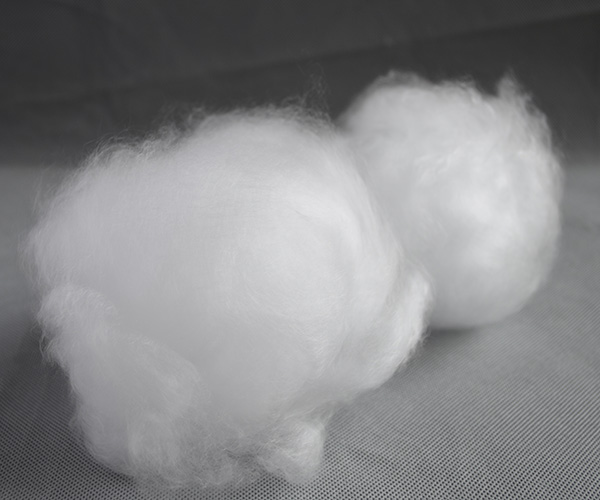
Quartz glass wool is a specialized insulation material manufactured from high-purity quartz fibers. Through advanced processing techniques, these fibers are transformed into a lightweight wool-like structure containing countless microscopic air pockets.
The porous nature of quartz glass wool allows it to effectively trap and dissipate sound energy. When sound waves enter the material, the energy is converted into a small amount of heat through friction within the fiber network. This process significantly reduces noise transmission and reverberation.
Unlike conventional insulation materials, quartz glass wool also offers exceptional thermal resistance, chemical stability, and durability, making it suitable for harsh industrial environments.
How Quartz Glass Wool Reduces Industrial Noise
Industrial noise consists of airborne sound generated by equipment operation, mechanical vibration, airflow systems, and production processes. Effective sound absorption materials must be capable of minimizing sound reflection while reducing noise transmission.
Quartz glass wool achieves this through several mechanisms:
Fiber Network Absorption
The dense network of fine quartz fibers creates numerous pathways that force sound waves to travel through a complex structure. As the waves move through the material, acoustic energy is gradually dissipated.
Air Pocket Dissipation
Microscopic air pockets within the wool absorb sound energy across a wide range of frequencies. This helps reduce echoes and reverberation commonly found in industrial facilities.
Vibration Damping
Quartz glass wool can also reduce vibration-induced noise by providing a cushioning effect around machinery and equipment.
Broad Frequency Performance
The material performs effectively against both high-frequency and medium-frequency industrial noise, contributing to a quieter working environment.
Key Properties of Quartz Glass Wool
Excellent Sound Absorption
One of the primary advantages of quartz glass wool is its high sound absorption coefficient. The material effectively reduces reflected sound and controls noise propagation within industrial facilities.
High Temperature Resistance
Quartz fibers possess exceptional thermal stability. Quartz glass wool can maintain structural integrity in environments where conventional sound insulation materials may degrade.
This property makes it suitable for:
- Industrial furnaces
- Thermal processing equipment
- Power generation systems
- Aerospace applications
- High-temperature manufacturing facilities
Lightweight Construction
Despite its excellent insulation performance, quartz glass wool remains lightweight. This simplifies installation and reduces structural load requirements.
Chemical Resistance
Industrial facilities often expose materials to corrosive chemicals, moisture, and harsh operating conditions. Quartz glass wool demonstrates strong resistance to chemical attack and environmental degradation.
Long Service Life
The material maintains its acoustic and thermal performance over extended periods, reducing maintenance costs and replacement frequency.
Benefits of Using Quartz Glass Wool for Industrial Noise Reduction
Improved Workplace Safety
Excessive noise can contribute to communication difficulties and increase workplace hazards. By reducing ambient noise levels, quartz glass wool helps create safer working environments.
Enhanced Employee Comfort
Lower noise levels improve employee concentration and reduce fatigue caused by prolonged exposure to industrial sound.
Regulatory Compliance
Many countries enforce occupational noise exposure regulations. Installing effective sound absorption systems can help facilities meet legal requirements and avoid potential penalties.
Dual Acoustic and Thermal Insulation
Unlike many traditional soundproofing materials, quartz glass wool provides both noise reduction and thermal insulation benefits. This dual functionality increases operational efficiency.
Reduced Equipment Noise
By surrounding noisy machinery with quartz glass wool insulation systems, companies can significantly decrease sound transmission throughout production facilities.
Industrial Applications of Sound Absorbing Quartz Glass Wool
Power Generation Facilities
Power plants generate substantial noise from turbines, generators, compressors, and auxiliary systems. Quartz glass wool is widely used in acoustic enclosures and insulation systems to minimize operational noise.
Petrochemical Industry
Petrochemical processing facilities require materials capable of withstanding high temperatures and corrosive environments. Quartz glass wool provides reliable acoustic insulation while maintaining performance under demanding conditions.
Metallurgical Operations
Steel production, metal processing, and smelting operations often produce intense noise levels. Quartz glass wool helps reduce sound transmission and improve working conditions.
Aerospace Manufacturing
Aerospace facilities utilize quartz-based insulation materials because of their excellent thermal stability, lightweight characteristics, and acoustic performance.
Industrial Equipment Enclosures
Many manufacturers incorporate quartz glass wool into machine enclosures, compressor rooms, generator housings, and acoustic barriers to control noise emissions.
Comparison with Traditional Sound Insulation Materials
When compared with conventional insulation products, quartz glass wool offers several advantages.
Traditional materials may provide acceptable sound absorption but often have limitations in high-temperature environments.
Quartz glass wool delivers:
- Superior thermal resistance
- Excellent acoustic performance
- Lightweight construction
- Long-term durability
- Chemical stability
- Low maintenance requirements
These characteristics make it particularly suitable for demanding industrial applications where standard materials may not perform adequately.
Factors to Consider When Selecting Quartz Glass Wool
Selecting the appropriate quartz glass wool product depends on several factors.
Noise Frequency Range
Different industrial processes generate varying sound frequencies. Material thickness and density should be selected according to acoustic requirements.
Operating Temperature
The expected temperature range will influence material specifications and installation methods.
Environmental Conditions
Exposure to chemicals, moisture, dust, and mechanical stress should be considered during product selection.
Installation Requirements
The material should be compatible with existing insulation systems, acoustic panels, or equipment enclosures.
Performance Standards
Manufacturers should provide documented testing data and quality certifications to ensure reliable performance.
Future Trends in Industrial Acoustic Insulation
As industries continue to prioritize workplace safety and environmental compliance, demand for advanced acoustic insulation materials is expected to grow.
Future developments in quartz glass wool may include:
- Enhanced sound absorption efficiency
- Improved manufacturing technologies
- Lighter and stronger fiber structures
- Increased sustainability
- Custom-engineered acoustic solutions
These innovations will further expand the role of quartz glass wool in industrial noise control applications.
Sound absorbing quartz glass wool represents an advanced solution for industrial noise reduction. Its unique combination of acoustic insulation, thermal resistance, lightweight construction, and long-term durability makes it highly suitable for demanding industrial environments.
From power generation plants and petrochemical facilities to aerospace manufacturing and high-temperature processing operations, quartz glass wool helps reduce noise levels while supporting operational efficiency and worker safety.
As industries continue to seek reliable materials that deliver both acoustic and thermal performance, quartz glass wool remains one of the most effective and versatile solutions available for modern industrial noise control.
Jun-02-2026