


Display technologies are evolving rapidly, driven by the demand for higher resolution, thinner form factors, improved durability, and enhanced energy efficiency. From smartphones and tablets to advanced industrial panels and wearable devices, modern displays require materials that can meet increasingly complex performance standards. Ultra-thin quartz fabric has emerged as a highly effective solution, offering a unique combination of mechanical strength and functional performance. Its dual benefits lie in both structural enhancement and performance optimization, making it a valuable material in next-generation display technologies.
Understanding Ultra-thin Quartz Fabric
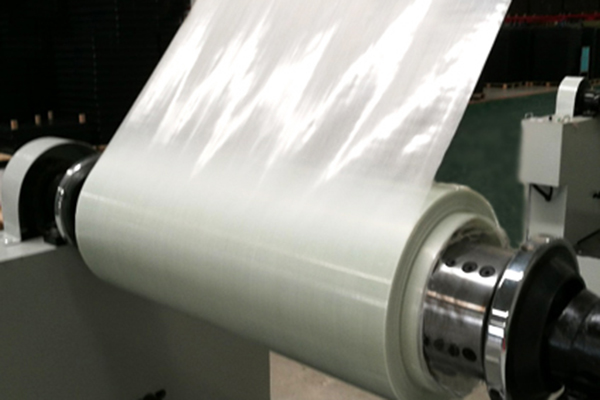
Ultra-thin quartz fabric is produced from high-purity silica fibers woven into extremely lightweight and fine textiles. It is known for its exceptional thermal resistance, dimensional stability, and electrical insulation properties. These characteristics make it suitable for sensitive electronic environments where precision and reliability are critical.
In display technologies, where components are tightly integrated and exposed to varying temperatures and electrical conditions, ultra-thin quartz fabric provides a stable and protective layer. Its uniform structure ensures consistent performance across the display surface.
Structural Reinforcement for Thin Displays
One of the primary benefits of ultra-thin quartz fabric is its ability to reinforce ultra-thin display structures. As devices become slimmer and lighter, maintaining mechanical strength becomes increasingly challenging.
Quartz fabric acts as a reinforcing layer that enhances the structural integrity of display panels without adding significant weight or thickness. This helps prevent issues such as warping, cracking, or deformation during manufacturing and daily use. The result is a more durable display that maintains its form even under mechanical stress.
Thermal Stability and Heat Management
Modern displays generate heat during operation, especially in high-resolution and high-brightness applications. Effective thermal management is essential to ensure performance and longevity.
Ultra-thin quartz fabric offers excellent thermal resistance and low thermal expansion, making it an ideal material for managing heat within display systems. It helps dissipate heat evenly, reducing the risk of localized overheating and improving overall device stability.
This thermal stability is particularly important for advanced displays used in high-performance electronics and industrial applications.
Electrical Insulation and Signal Integrity
Display technologies rely on precise electrical signals to deliver high-quality visuals. Any interference or instability can affect performance and image clarity.
Ultra-thin quartz fabric provides superior electrical insulation, protecting sensitive components from electromagnetic interference. Its low dielectric constant ensures minimal signal loss, supporting high-speed data transmission within the display system.
By maintaining signal integrity, quartz fabric contributes to sharper images, faster response times, and improved overall display performance.
Enabling Flexible and Foldable Displays
The rise of flexible and foldable displays has introduced new challenges in material design. These displays require materials that can withstand repeated bending while maintaining performance.
Ultra-thin quartz fabric offers the flexibility and durability needed for such applications. Its ability to maintain structural integrity under mechanical stress makes it suitable for integration into flexible display architectures.
This capability supports the development of innovative devices that combine portability with advanced functionality.
Enhancing Optical Performance
In addition to structural and thermal benefits, ultra-thin quartz fabric can contribute to improved optical performance. Its uniform fiber distribution and high purity reduce the risk of light distortion or interference.
When used in display layers, it helps maintain clarity and consistency across the screen. This is particularly valuable for high-resolution displays where even minor imperfections can impact visual quality.
The material’s stability also ensures that optical performance remains consistent over time.
Durability and Long-Term Reliability
Durability is a key factor in display technology, especially for devices subjected to frequent use and varying environmental conditions. Ultra-thin quartz fabric enhances the longevity of display systems by providing resistance to heat, chemical exposure, and mechanical wear.
Its long-term reliability reduces the need for repairs or replacements, contributing to a better user experience and lower maintenance costs. This makes it an attractive choice for both consumer electronics and industrial applications.
Applications Across Display Technologies
Ultra-thin quartz fabric is used in a wide range of display technologies, including OLED, micro-LED, and LCD systems. In each case, it provides structural support, thermal management, and electrical insulation.
It is also used in specialized displays for automotive, aerospace, and medical applications, where reliability and performance are critical. Its versatility allows it to meet the diverse requirements of different display environments.
Sustainability and Energy Efficiency
Sustainability is an important consideration in modern electronics manufacturing. Ultra-thin quartz fabric contributes to energy efficiency by improving thermal management and reducing power consumption.
Its durability and long lifespan also help minimize electronic waste, supporting more sustainable production and usage practices. Additionally, advancements in manufacturing processes are making quartz fabric production more resource-efficient.
Future Trends in Display Materials
The future of display technologies will continue to be shaped by material innovation. Ultra-thin quartz fabric is expected to play an increasingly important role as displays become more advanced and integrated.
Emerging trends include the development of hybrid materials, improved manufacturing techniques, and integration with smart systems. These advancements will further enhance the performance and versatility of quartz fabric in display applications.
Industry Expertise and Technological Integration
The successful use of ultra-thin quartz fabric in display technologies relies on expertise in materials science, engineering, and manufacturing. Collaboration across industries is driving innovation and enabling the development of high-performance display solutions.
By integrating quartz fabric with advanced production technologies, manufacturers can achieve greater precision and consistency. This ensures that display systems meet the highest standards of quality and performance.
Ultra-thin quartz fabric offers dual benefits in display technologies by enhancing both structural integrity and functional performance. Its unique combination of thermal stability, electrical insulation, and mechanical strength makes it an essential material for modern displays.
As display technologies continue to evolve, the role of ultra-thin quartz fabric will expand, supporting innovation and enabling the next generation of high-performance, energy-efficient, and durable display solutions.
Apr-02-2026