


Deep space exploration represents one of the most demanding frontiers of modern science and engineering. Missions that extend beyond Earth’s orbit require materials capable of withstanding extreme temperatures, radiation exposure, mechanical stress, and long operational lifecycles. Aerospace quartz fiber has emerged as a critical material in this domain, offering a unique combination of thermal stability, dielectric performance, and structural reliability. As space agencies and private organizations continue to push the boundaries of exploration, quartz fiber is playing an increasingly important role in enabling mission success.
Understanding Aerospace Quartz Fiber
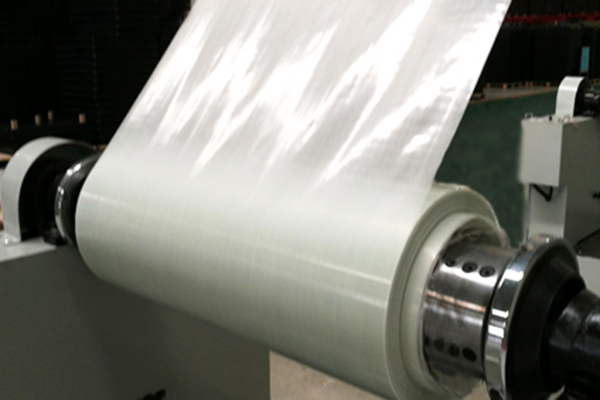
Aerospace quartz fiber is produced from high-purity silica and engineered specifically for high-performance environments. Unlike conventional fibers, it maintains its structural integrity under extreme thermal conditions and resists degradation caused by radiation and chemical exposure.
Its low dielectric constant and excellent insulation properties make it ideal for sensitive electronic systems, while its lightweight nature contributes to overall spacecraft efficiency. These characteristics position quartz fiber as a foundational material for deep space missions where reliability is essential.
Material Requirements for Deep Space Missions
Deep space environments present unique challenges that demand advanced material solutions. Spacecraft must endure rapid temperature fluctuations, intense cosmic radiation, and prolonged exposure to vacuum conditions.
Materials used in these missions must exhibit minimal thermal expansion, high strength-to-weight ratios, and long-term stability. Aerospace quartz fiber meets these requirements by providing consistent performance across a wide range of environmental conditions, ensuring mission-critical systems remain operational over extended durations.
Thermal Protection and Heat Resistance
One of the most significant roles of aerospace quartz fiber is in thermal protection systems. During space travel, spacecraft are exposed to both extreme heat and deep cold, requiring materials that can maintain stability without deformation.
Quartz fiber is used in insulation blankets, heat shields, and protective layers that safeguard sensitive components. Its ability to withstand high temperatures without losing structural integrity ensures reliable performance during critical mission phases, such as propulsion and planetary entry.
Radiation Resistance and Durability
Radiation is a major concern in deep space exploration, as it can degrade materials and disrupt electronic systems. Aerospace quartz fiber demonstrates excellent resistance to radiation, maintaining its properties even under prolonged exposure.
This durability enhances the lifespan of spacecraft components and reduces the need for maintenance or replacement. By providing a stable protective barrier, quartz fiber supports the continuous operation of onboard systems in harsh space environments.
Applications in Spacecraft Structures
Aerospace quartz fiber is widely used in composite materials for spacecraft structures. These composites combine quartz fiber with advanced resins or matrices to create lightweight yet strong components.
Structural elements such as panels, supports, and enclosures benefit from the high strength and low weight of quartz fiber composites. This contributes to improved fuel efficiency and payload capacity, both of which are critical for deep space missions.
Enhancing Communication and Electronic Systems
Reliable communication is essential for deep space exploration, where signals must travel vast distances. Aerospace quartz fiber plays a key role in protecting and insulating communication systems.
Its dielectric properties ensure minimal signal interference, making it suitable for antennas, wiring insulation, and electronic housings. By maintaining signal integrity, quartz fiber helps ensure accurate data transmission between spacecraft and ground stations.
Role in Scientific Instruments and Sensors
Scientific instruments onboard spacecraft require high precision and stability. Aerospace quartz fiber is used in sensor systems and instrument components that must operate reliably in extreme conditions.
Its resistance to temperature fluctuations and environmental stress ensures accurate measurements and consistent performance. This is particularly important for missions focused on data collection, planetary analysis, and space observation.
Supporting Long-Duration Missions
Deep space missions often span years or even decades, requiring materials that can maintain performance over extended periods. Aerospace quartz fiber’s durability and resistance to degradation make it ideal for long-duration applications.
Its stability reduces the risk of material failure, contributing to mission safety and reliability. This is especially critical for autonomous spacecraft that cannot be repaired once deployed.
Sustainability and Efficiency in Space Engineering
Efficiency is a key consideration in space missions, where every gram of weight matters. Aerospace quartz fiber supports sustainability by enabling lightweight designs that reduce fuel consumption and improve mission efficiency.
Additionally, its long lifespan minimizes the need for redundant materials, optimizing resource utilization. These benefits align with the broader goals of sustainable space exploration and responsible engineering practices.
Innovations and Future Developments
Ongoing research is expanding the capabilities of aerospace quartz fiber through advanced manufacturing techniques and material integration. Innovations in nanotechnology and hybrid composites are enhancing its mechanical properties and functional performance.
Future developments may include smart materials that integrate sensing capabilities directly into quartz fiber structures. These advancements could further improve spacecraft performance, enabling more complex and ambitious deep space missions.
Industry Expertise and Real-World Applications
Leading aerospace organizations and research institutions are actively incorporating quartz fiber into next-generation spacecraft designs. Its proven performance in demanding environments has established it as a trusted material in the industry.
Real-world applications demonstrate its effectiveness in thermal protection, structural components, and electronic systems. Collaboration between scientists, engineers, and manufacturers continues to drive innovation and expand its use in space exploration.
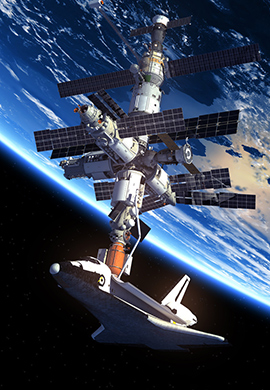
Aerospace quartz fiber is playing an increasingly vital role in deep space exploration missions. Its unique combination of thermal resistance, radiation durability, and lightweight strength makes it indispensable for modern spacecraft.
As exploration efforts continue to advance, quartz fiber will remain a key enabler of innovation, supporting safer, more efficient, and more reliable missions beyond Earth. Its expanding role reflects the importance of advanced materials in shaping the future of space exploration.
Apr-02-2026