


AI quartz fabric components are emerging as a next-generation material solution across industries such as electronics, construction, and smart manufacturing. Combining advanced artificial intelligence optimization with quartz-based fiber engineering, these materials offer exceptional durability, sustainability, and performance. As environmental concerns grow, recyclability and longevity have become critical evaluation standards.
What Are AI Quartz Fabric Components
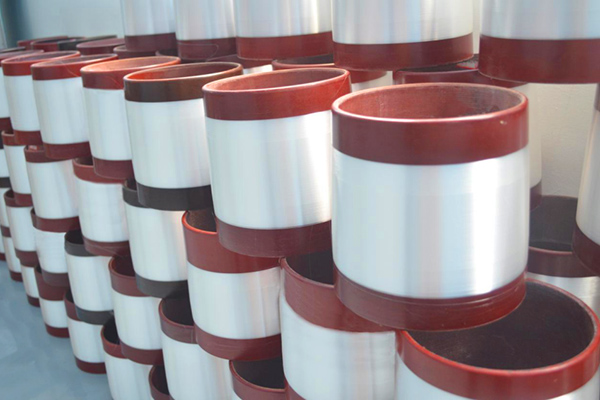
AI quartz fabric components are engineered materials made from high-purity quartz fibers enhanced through AI-driven design and manufacturing processes. Artificial intelligence is used to optimize fiber structure, weaving patterns, and bonding techniques to maximize strength and efficiency.
Quartz fibers themselves are known for their resistance to heat, corrosion, and mechanical stress. When combined with AI optimization, the resulting fabric components achieve superior performance compared to traditional materials. These components are widely used in aerospace insulation, high-performance filtration systems, and electronic substrates.
The Importance of Recyclability in Modern Materials
Recyclability is a key factor in sustainable material design. Industries are under increasing pressure to reduce waste and lower their environmental footprint. Materials that can be reused or repurposed without significant degradation are highly valued.
AI quartz fabric components stand out due to their inherent material stability. Quartz does not easily degrade under extreme conditions, which allows it to be processed and reused multiple times. Additionally, AI-assisted sorting and recycling systems can identify and separate quartz-based materials more efficiently, reducing contamination and improving recycling rates.
How AI Enhances Recycling Efficiency
Artificial intelligence plays a crucial role in improving the recyclability of quartz fabric components. Machine learning algorithms can analyze material composition and predict optimal recycling methods. This reduces energy consumption and minimizes material loss.
AI systems also enable automated disassembly of composite materials. In traditional recycling, separating fibers from binders is difficult and costly. With AI-guided processes, this separation becomes more precise and less labor-intensive, making recycling economically viable.
Furthermore, predictive analytics help manufacturers design products with end-of-life recycling in mind. This concept, known as “design for recyclability,” ensures that materials can be efficiently recovered and reused.
Longevity as a Sustainability Advantage
Longevity is equally important as recyclability. A material that lasts longer reduces the need for frequent replacement, thereby conserving resources and lowering overall environmental impact.
AI quartz fabric components exhibit exceptional lifespan due to their resistance to thermal shock, chemical exposure, and mechanical wear. These properties make them ideal for harsh environments where traditional materials would fail.
In industries such as aerospace and energy, longer-lasting materials translate into reduced maintenance costs and improved operational reliability. This not only benefits businesses but also contributes to sustainability by reducing waste generation.
Real-World Applications Demonstrating Durability
The longevity of AI quartz fabric components is evident in various real-world applications. In high-temperature industrial settings, these materials maintain structural integrity even after prolonged exposure to extreme heat.
In filtration systems, quartz fabric components resist clogging and degradation, ensuring consistent performance over time. Similarly, in electronic applications, they provide stable insulation and protect sensitive components from environmental damage.
These use cases highlight the practical advantages of combining quartz material properties with AI-driven optimization.
Environmental and Economic Benefits
The combination of recyclability and longevity offers both environmental and economic benefits. From an environmental perspective, reduced waste and lower resource consumption contribute to a smaller carbon footprint.
Economically, businesses benefit from lower material replacement costs and improved efficiency. AI-driven manufacturing also reduces production waste, further enhancing cost-effectiveness.
Governments and regulatory bodies increasingly favor materials that align with sustainability goals. AI quartz fabric components are well-positioned to meet these requirements, making them a future-proof choice for industries worldwide.
AI quartz fabric components represent a powerful combination of durability, recyclability, and advanced technology. Their long lifespan reduces resource consumption, while AI-enhanced recycling processes improve material recovery and reuse.
As industries continue to prioritize sustainability, these materials offer a compelling solution that aligns with EEAT principles. With ongoing innovation and growing adoption, AI quartz fabric components are poised to play a key role in the future of sustainable engineering.
Apr-08-2026