


Quartz fiber rovings represent one of the most advanced forms of high-performance inorganic fibers used in demanding industrial environments. Known for their exceptional thermal resistance, dielectric stability, and chemical durability, quartz fiber rovings are increasingly applied in aerospace, electronics, energy systems, and advanced composites. As industries move toward high-efficiency and long-life materials, understanding the manufacturing processes and intrinsic material properties of quartz fiber rovings becomes essential.
What Are Quartz Fiber Rovings
Quartz fiber rovings are continuous bundles of high-purity silica filaments drawn from natural or synthetic quartz. These rovings are typically untwisted or lightly twisted strands designed for further processing into fabrics, tapes, or composite reinforcements.
The defining characteristic of quartz fibers is their extremely high silicon dioxide content, often exceeding 99.9 percent. This purity contributes to their superior resistance to extreme temperatures and corrosive environments. Unlike conventional fibers, quartz fiber rovings maintain structural integrity even under prolonged thermal exposure, making them ideal for high-performance applications.
Raw Materials and Purification Process
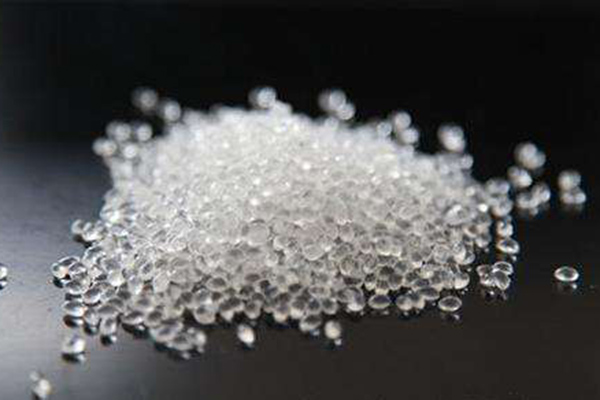
The manufacturing of quartz fiber rovings begins with the selection of ultra-high-purity silica sources. Natural quartz undergoes rigorous purification to remove metallic impurities and contaminants that could compromise performance.
Advanced chemical and thermal treatments are used to refine the raw material. This may include acid leaching, high-temperature calcination, and controlled crystallization processes. The goal is to achieve a consistent, defect-free silica structure that can be reliably drawn into fine filaments.
Purity at this stage is critical because even trace impurities can affect dielectric properties and thermal stability. Manufacturers often implement strict quality control systems to ensure consistency in the final product.
Fiber Drawing and Roving Formation
Once purified, the quartz material is melted at extremely high temperatures, typically exceeding 1700°C. The molten silica is then drawn through specialized bushings to form continuous filaments.
These filaments are rapidly cooled to retain their amorphous structure, which is essential for maintaining flexibility and strength. The filaments are then gathered into bundles to form rovings.
During the roving formation process, tension control and alignment are crucial. Uniform filament distribution ensures consistent mechanical properties and prevents weak points in the final material. In some cases, surface treatments or sizing agents are applied to improve compatibility with resin systems in composite applications.
Key Material Properties of Quartz Fiber Rovings
High Temperature Resistance
One of the most notable properties of quartz fiber rovings is their ability to withstand extreme temperatures. They can operate continuously at temperatures above 1000°C without significant degradation. This makes them suitable for thermal insulation, fire protection, and aerospace applications.
Chemical Stability
Quartz fiber rovings are highly resistant to most acids and corrosive agents, except for hydrofluoric acid. This chemical stability allows them to perform reliably in harsh industrial environments, including chemical processing plants and energy facilities.
Mechanical Strength and Flexibility
Despite their inorganic nature, quartz fiber rovings offer a balanced combination of tensile strength and flexibility. This enables them to be woven, braided, or integrated into composite structures without compromising performance.
Low Thermal Expansion
Quartz fibers have an extremely low coefficient of thermal expansion. This property ensures dimensional stability under temperature fluctuations, which is essential for precision applications in electronics and aerospace engineering.
Applications Across Industries
Quartz fiber rovings are widely used in industries that demand high performance and reliability. In aerospace, they are used for thermal protection systems and insulation materials. Their ability to withstand extreme heat and maintain structural integrity makes them indispensable in this field.
In the electronics industry, quartz fiber rovings are used in substrates and insulating materials for high-frequency devices. Their उत्कृष्ट dielectric properties ensure minimal signal interference.
In industrial settings, these rovings are incorporated into filtration systems, protective fabrics, and high-temperature seals. Their durability and resistance to harsh conditions contribute to longer service life and reduced maintenance costs.
Quality Control and Industry Standards
Ensuring the quality of quartz fiber rovings requires strict adherence to manufacturing standards and testing protocols. Key parameters include filament diameter uniformity, tensile strength, purity levels, and thermal resistance.
Manufacturers often use advanced analytical techniques such as spectroscopy and electron microscopy to verify material composition and structure. Consistent quality is essential for maintaining trust and reliability in critical applications.
Certifications and compliance with international standards further enhance the credibility of quartz fiber rovings as a high-performance material.
Sustainability and Future Developments
Quartz fiber rovings contribute to sustainability through their long lifespan and resistance to degradation. Materials that last longer reduce the need for frequent replacement, thereby conserving resources.
Ongoing research is focused on improving manufacturing efficiency and reducing energy consumption during production. Innovations in fiber drawing technology and AI-driven process optimization are expected to further enhance material performance and cost-effectiveness.
Future developments may also include improved recyclability and integration with next-generation composite systems, expanding the scope of applications for quartz fiber rovings.

Quartz fiber rovings are a cornerstone material in advanced engineering, offering a unique combination of thermal resistance, dielectric performance, chemical stability, and mechanical strength. Their sophisticated manufacturing process ensures high purity and consistent quality, while their material properties enable reliable performance in extreme environments.
As industries continue to demand durable and efficient materials, quartz fiber rovings are well-positioned to meet these challenges. With ongoing innovation and a strong focus on sustainability, they will remain a critical component in the future of high-performance materials.
Apr-08-2026