


Quartz fiber yarn has become a critical material in modern electronics due to its unique combination of thermal stability, electrical insulation, and chemical resistance. As electronic devices continue to evolve toward higher frequencies, greater power densities, and more compact designs, the demand for advanced materials capable of maintaining performance under extreme conditions is rapidly increasing. Quartz fiber yarn, derived from high-purity silica, offers a reliable solution that aligns with the stringent requirements of today’s electronics industry.
What Is Quartz Fiber Yarn
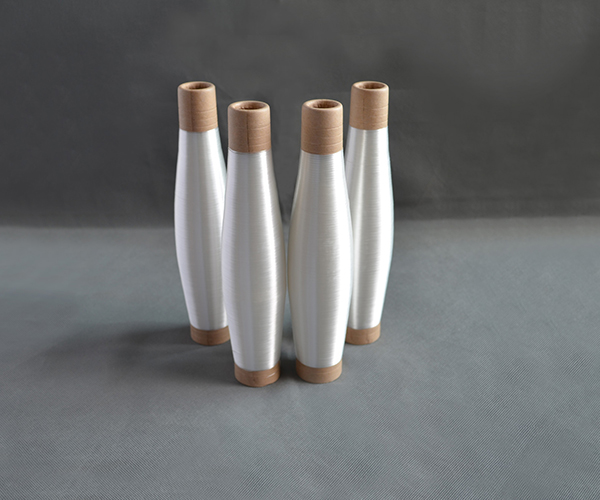
Quartz fiber yarn is a continuous strand made from ultra-high-purity silicon dioxide fibers. These fibers are produced through high-temperature melting and precision drawing processes, resulting in a material that retains an amorphous structure and exceptional uniformity.
Unlike conventional textile yarns, quartz fiber yarn is specifically engineered for technical applications. It is often used as a base material for woven fabrics, tapes, and insulating layers in electronic systems. Its purity and structural integrity enable it to perform consistently in environments where other materials may degrade or fail.
Key Material Properties for Electronics
Excellent Dielectric Performance
One of the most important properties of quartz fiber yarn is its outstanding dielectric behavior. It exhibits a low dielectric constant and minimal dielectric loss, which are essential for maintaining signal integrity in high-frequency applications.
This makes quartz fiber yarn particularly suitable for use in microwave and radio frequency systems, where even minor signal distortion can significantly affect performance.
High Thermal Resistance
Modern electronic devices often operate under high thermal loads. Quartz fiber yarn can withstand continuous exposure to temperatures exceeding 1000°C without losing its structural or insulating properties.
This thermal resilience ensures reliable operation in power electronics, aerospace electronics, and other high-temperature environments.
Chemical and Environmental Stability
Quartz fiber yarn is highly resistant to chemical corrosion and environmental degradation. It does not react easily with most acids or oxidizing agents, making it ideal for use in harsh industrial or outdoor electronic applications.
Mechanical Strength and Flexibility
Despite being an inorganic material, quartz fiber yarn offers a balance of strength and flexibility. This allows it to be woven into complex structures or integrated into composite materials without compromising durability.
Applications in Printed Circuit Boards
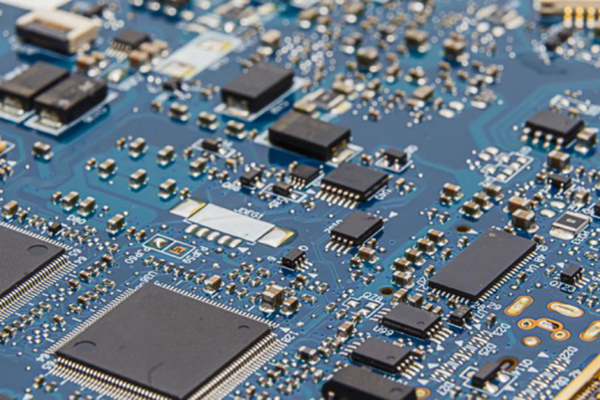
Quartz fiber yarn plays a significant role in advanced printed circuit board substrates. In high-frequency and high-speed electronics, maintaining signal integrity is essential.
By incorporating quartz fiber yarn into PCB laminates, manufacturers can reduce signal loss and improve performance in applications such as telecommunications and radar systems. Its low dielectric constant ensures stable transmission of high-frequency signals, making it a preferred material for next-generation circuit boards.
Use in High-Frequency Communication Systems
The rapid development of wireless communication technologies, including 5G and future networks, has increased the need for materials that can support high-frequency signal transmission.
Quartz fiber yarn is widely used in components such as radomes, antenna substrates, and waveguides. Its dielectric properties minimize signal attenuation, ensuring efficient communication. Additionally, its thermal stability allows it to maintain performance under varying environmental conditions.
Insulation in Power Electronics
Power electronics systems generate significant heat and require materials that can provide both electrical insulation and thermal resistance. Quartz fiber yarn is used in insulating tapes, sleeves, and barriers to protect components from electrical and thermal damage.
Its ability to withstand extreme temperatures without degradation enhances the safety and longevity of power devices, including transformers, inverters, and high-voltage equipment.
Applications in Semiconductor Manufacturing
In semiconductor manufacturing, precision and cleanliness are critical. Quartz fiber yarn is used in high-temperature processing environments, such as diffusion furnaces and wafer handling systems.
Its high purity ensures that it does not introduce contaminants into sensitive processes. Additionally, its resistance to thermal shock makes it suitable for repeated heating and cooling cycles, which are common in semiconductor fabrication.
Role in Aerospace Electronics
Aerospace electronics operate in some of the most demanding conditions, including extreme temperatures, radiation exposure, and mechanical stress. Quartz fiber yarn is used in insulation, shielding, and structural reinforcement within aerospace systems.
Its lightweight nature combined with high performance makes it an ideal material for reducing overall system weight while maintaining reliability. This contributes to improved fuel efficiency and operational performance in aerospace applications.
Emerging Applications and Future Trends
As technology continues to advance, new applications for quartz fiber yarn are emerging. Flexible electronics, wearable devices, and miniaturized sensors require materials that can provide high performance in compact and dynamic environments.
Quartz fiber yarn is being explored for use in advanced composite materials that combine electrical functionality with mechanical strength. Additionally, AI-driven material design is enabling further optimization of fiber properties for specific electronic applications.
Sustainability is also becoming a key focus. The long lifespan and potential recyclability of quartz-based materials make them an attractive choice for environmentally conscious manufacturing.
Quartz fiber yarn has established itself as a vital material in modern electronics, offering unmatched dielectric performance, thermal resistance, and chemical stability. Its applications span printed circuit boards, communication systems, power electronics, semiconductor manufacturing, and aerospace technologies.
As electronic systems become more complex and demanding, the importance of reliable, high-performance materials will continue to grow. Quartz fiber yarn, supported by ongoing innovation and research, is well-positioned to meet these challenges and play a central role in the future of electronic materials.
Apr-08-2026