


Industrial heating systems operate in some of the most demanding environments across manufacturing, energy production, aerospace, electronics, metallurgy, and chemical processing. High temperatures, thermal cycling, energy loss, and equipment stress create constant challenges for engineers and facility operators. Selecting the right insulation material is critical for improving efficiency, reducing operational costs, and maintaining long term reliability.
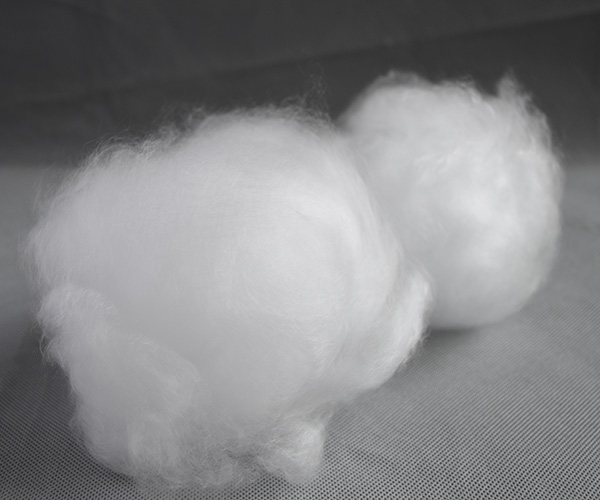
Quartz wool has become an increasingly valuable material in industrial heating applications because of its excellent thermal stability, lightweight structure, chemical resistance, and insulation performance. Manufactured from high purity quartz fibers, quartz wool is designed to withstand elevated temperatures while maintaining structural integrity under harsh industrial conditions.
As industries continue focusing on energy efficiency, equipment durability, and sustainable production processes, quartz wool is gaining attention as a high performance insulation solution. Its ability to reduce heat loss while supporting safer and more efficient operations makes it suitable for many advanced heating systems.
This article explores the top advantages of quartz wool in industrial heating and explains why it is widely used in modern high temperature environments.
Excellent High Temperature Resistance
One of the most important advantages of quartz wool is its outstanding resistance to high temperatures. Industrial heating systems often operate under extreme thermal conditions where traditional insulation materials may degrade, shrink, or lose effectiveness over time.
Quartz wool is capable of maintaining thermal stability at elevated temperatures because quartz fibers have a naturally high melting point and low thermal expansion rate. This allows the material to remain effective even during prolonged exposure to heat.
High temperature resistance is especially valuable in industries such as:
- Metal processing
- Semiconductor manufacturing
- Glass production
- Industrial furnaces
- Heat treatment facilities
- Power generation systems
Stable insulation performance helps maintain process consistency and reduces equipment stress caused by thermal fluctuations.
Quartz wool also performs well during repeated heating and cooling cycles. In industrial environments where equipment is frequently turned on and off, thermal shock resistance becomes extremely important. The material’s stability helps prevent cracking, deformation, or insulation failure over time.
Because of this reliability, quartz wool supports long term operational efficiency while reducing maintenance frequency in high temperature systems.
Superior Thermal Insulation Performance
Efficient heat retention is a major requirement in industrial heating operations. Energy loss not only increases operational costs but can also affect production quality and process control.
Quartz wool offers excellent thermal insulation properties due to its fine fiber structure and low thermal conductivity. The material traps air effectively, reducing heat transfer and helping maintain stable temperatures inside industrial systems.
Benefits of improved thermal insulation include:
- Lower energy consumption
- Faster temperature stabilization
- Improved heating efficiency
- Reduced heat loss
- More consistent production conditions
- Lower fuel or electricity usage
In many industrial applications, maintaining precise temperatures is essential for product quality. Quartz wool helps create a more controlled thermal environment, improving consistency during manufacturing processes.
Industries focused on sustainability and energy savings also benefit from reduced power requirements. Better insulation contributes to lower emissions and supports energy efficient industrial operations.
The lightweight structure of quartz wool additionally helps minimize the total insulation load on equipment, making installation more flexible in large industrial systems.
Strong Chemical and Corrosion Resistance
Industrial heating environments often expose insulation materials to chemicals, moisture, oxidation, and corrosive gases. Some traditional insulation materials may weaken or deteriorate under these conditions.
Quartz wool provides strong resistance to many harsh industrial environments because quartz fibers are chemically stable and highly resistant to corrosion. This makes the material suitable for applications involving:
- Chemical processing plants
- Petrochemical facilities
- High humidity environments
- Acidic or reactive atmospheres
- Industrial exhaust systems
Chemical stability helps maintain insulation effectiveness over long periods without significant material degradation.
Corrosion resistance is particularly important for maintaining safety and equipment lifespan. Damaged insulation may lead to increased heat loss, overheating, or structural damage to heating systems.
Quartz wool’s durability under chemically aggressive conditions helps reduce replacement frequency and lowers long term maintenance costs.
The material also performs well in environments where airborne contaminants or industrial particles are present, helping maintain reliable insulation performance in complex manufacturing operations.
Lightweight Structure and Easy Installation
Industrial insulation systems often require materials that are not only effective but also practical for installation and maintenance. Heavy insulation materials may increase structural load and complicate equipment handling.
Quartz wool offers a lightweight fiber structure that simplifies transportation, cutting, shaping, and installation. This flexibility makes it easier for engineers and maintenance teams to apply insulation in various industrial heating systems.
Advantages of lightweight insulation include:
- Faster installation
- Reduced labor requirements
- Easier equipment maintenance
- Lower structural stress
- Greater installation flexibility
- Improved handling during repairs
Quartz wool can often be customized into different forms such as blankets, mats, boards, or loose fiber insulation depending on application requirements.
Its flexibility allows it to fit around pipes, chambers, heating elements, and complex industrial equipment geometries.
In facilities where downtime directly affects production output, easier installation and maintenance become major operational advantages.
The material’s lightweight design also contributes to transportation efficiency and reduced logistics costs for large industrial projects.
Excellent Electrical Insulation Properties
In addition to thermal insulation, quartz wool also provides strong electrical insulation performance. This characteristic is especially valuable in industrial heating systems that involve electrical heating components or sensitive electronic equipment.
Quartz fibers naturally exhibit low electrical conductivity, helping reduce electrical leakage and improving operational safety.
Applications benefiting from electrical insulation include:
- Electric heating systems
- Semiconductor production equipment
- Electronic manufacturing
- Laboratory heating devices
- Precision industrial instruments
Reliable electrical insulation helps protect equipment from electrical interference and contributes to safer operating environments.
As industrial automation and advanced manufacturing technologies continue expanding, materials capable of combining thermal and electrical insulation are becoming increasingly important.
Quartz wool supports these evolving industrial requirements by offering stable multi functional performance in demanding technical environments.
Long Service Life and Reduced Maintenance
Industrial facilities prioritize materials that provide reliable long term performance with minimal maintenance requirements. Frequent insulation replacement can increase downtime, labor costs, and operational disruptions.
Quartz wool is valued for its long service life because of its ability to maintain structural stability under high temperature and chemically demanding conditions.
Factors contributing to long lifespan include:
- Thermal shock resistance
- Chemical stability
- Low shrinkage
- Corrosion resistance
- Durable fiber structure
Long lasting insulation materials help facilities reduce operational interruptions and improve production reliability.
Lower maintenance frequency also reduces total ownership costs over the lifespan of industrial equipment.
In industries where heating systems operate continuously for extended periods, reliable insulation performance becomes essential for maintaining productivity and reducing unexpected failures.
Quartz wool’s durability supports both economic efficiency and operational stability in industrial heating applications.
Growing Importance in Modern Industrial Applications
As industrial technologies continue advancing, the demand for high performance insulation materials is increasing. Modern manufacturing facilities are placing greater emphasis on:
- Energy efficiency
- Process precision
- Equipment reliability
- Environmental sustainability
- Operational safety
Quartz wool aligns well with these industry trends because it combines high temperature resistance, thermal efficiency, chemical durability, and lightweight flexibility in a single material solution.
Industries such as aerospace, renewable energy, electronics, metallurgy, and advanced manufacturing are increasingly adopting quartz based insulation materials for specialized heating applications.
The growing focus on reducing energy waste and improving industrial sustainability is also driving wider use of advanced insulation technologies.
Quartz wool helps companies optimize heating performance while supporting long term environmental and operational goals.
Quartz wool has become an important insulation material in industrial heating because of its ability to perform reliably under demanding thermal and chemical conditions. Its excellent high temperature resistance, superior thermal insulation performance, corrosion resistance, lightweight structure, and electrical insulation capabilities make it suitable for a wide range of industrial applications.
As industries continue seeking more efficient and durable heating solutions, quartz wool offers clear advantages for improving energy efficiency, reducing maintenance costs, and supporting stable production environments.
With growing demand for sustainable and high performance industrial materials, quartz wool is expected to remain an important component in modern industrial heating systems for years to come.
May-07-2026