


CCL quartz fiber has emerged as a versatile and high performance material that plays a crucial role in multiple modern industries. Known for its exceptional thermal stability, chemical resistance, and mechanical strength, CCL quartz fiber is widely used in electronics, aerospace, automotive, and energy sectors. Understanding its key applications helps manufacturers and engineers leverage the material for high efficiency and reliable performance in demanding environments.
This article explores the top applications of CCL quartz fiber, emphasizing its advantages, technical properties, and practical use cases.

Electronics and Electrical Insulation
One of the primary applications of CCL quartz fiber is in the electronics industry. Its excellent dielectric properties make it an ideal material for electrical insulation in high voltage and high frequency applications.
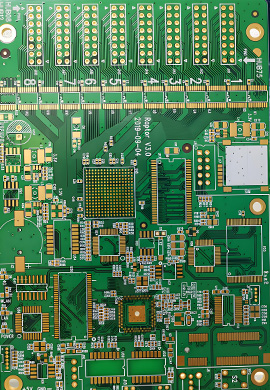
Printed circuit boards (PCBs) often use quartz fiber as a reinforcement in copper-clad laminates, improving mechanical stability and heat resistance. This ensures that electronic devices operate reliably even under thermal stress, reducing the risk of deformation or electrical failure.
In addition to PCBs, quartz fiber is used in insulating tapes, flexible circuits, and capacitor substrates. Its non-conductive nature and high dielectric strength provide safety and performance benefits across a wide range of electronic components.
Aerospace and Aviation Applications
CCL quartz fiber is highly valued in the aerospace sector due to its lightweight and high strength characteristics. Components exposed to extreme temperatures, such as engine parts, heat shields, and thermal insulation panels, benefit from the exceptional thermal stability of quartz fiber.
The material’s ability to withstand temperatures above 1000 degrees Celsius without degrading makes it suitable for aircraft and spacecraft applications. Quartz fiber composites are used in structural components to reduce weight while maintaining mechanical integrity, contributing to fuel efficiency and overall performance.
Automotive Industry Uses
In the automotive sector, CCL quartz fiber finds applications in high-performance components that require thermal resistance and mechanical strength. Brake linings, clutch materials, and heat shields often incorporate quartz fiber to ensure reliable operation under high friction and temperature conditions.
Additionally, the material is used in electronics modules within vehicles, such as engine control units (ECUs) and battery management systems for electric vehicles. Quartz fiber reinforces substrates and insulators, enhancing durability and safety.
Energy Sector and Industrial Applications
The energy sector benefits from the high temperature and chemical resistance of CCL quartz fiber. It is used in thermal insulation for power plants, industrial furnaces, and heat exchangers. Its ability to maintain structural integrity under thermal cycling makes it a reliable choice for continuous industrial operations.
In addition, quartz fiber is incorporated into composite materials for piping, storage tanks, and protective coatings, improving corrosion resistance and extending service life. Industries such as chemical processing, oil and gas, and renewable energy rely on quartz fiber composites to ensure safe and efficient operations.
Advantages of CCL Quartz Fiber
Several characteristics make CCL quartz fiber a preferred material in modern industries:
-
Thermal Stability: Quartz fiber maintains structural integrity at high temperatures, making it ideal for applications involving heat exposure.
-
Mechanical Strength: High tensile strength allows for reinforcement in composite materials and laminates.
-
Chemical Resistance: Quartz fiber resists acids, alkalis, and solvents, ensuring long-term durability in harsh environments.
-
Electrical Insulation: Excellent dielectric properties make it safe and effective for electronic applications.
-
Lightweight: Compared to metals, quartz fiber offers strength without adding significant weight, a crucial factor in aerospace and automotive sectors.
These combined advantages make quartz fiber a strategic material for industries seeking reliable, high-performance solutions.
Future Trends in Quartz Fiber Applications
As industries evolve, the demand for high-performance, lightweight, and thermally stable materials continues to grow. CCL quartz fiber is expected to see increased adoption in next-generation electronics, electric vehicles, aerospace composites, and energy-efficient industrial systems.
Research and development in fiber processing techniques, hybrid composites, and coating technologies will further enhance its performance, enabling new applications and expanding its role in modern industry.
CCL quartz fiber has proven to be a critical material across multiple modern industries. Its exceptional thermal stability, mechanical strength, chemical resistance, and dielectric properties make it indispensable in electronics, aerospace, automotive, and energy applications.
By understanding the top applications of CCL quartz fiber, engineers and manufacturers can make informed material choices, optimize product performance, and improve operational efficiency. Its continued innovation and versatility ensure that quartz fiber will remain a cornerstone of advanced industrial applications.
Mar-10-2026