


In today’s high-performance manufacturing environment, advanced materials are essential for ensuring safety, durability, and operational efficiency. Among these materials, Q Glass Cloth stands out as a versatile engineered fabric widely used across demanding industrial sectors. Known for its excellent thermal resistance, electrical insulation properties, high tensile strength, and chemical stability, this specialized fiberglass cloth performs reliably where conventional materials cannot.
As industries increasingly seek lightweight, high-strength, and long-lasting solutions, Q Glass Cloth has become a critical component in modern engineering systems. From aerospace structures to renewable energy installations, its adaptability supports innovation while complying with strict regulatory and safety standards.
Aerospace and Aviation Engineering
The aerospace industry imposes some of the most rigorous requirements on materials. Components must endure extreme temperatures, pressure fluctuations, vibration, and mechanical stress while maintaining minimal weight. Q Glass Cloth offers an optimal balance of strength, heat resistance, and low mass, making it highly suitable for aircraft and spacecraft applications.
It is commonly used in thermal insulation blankets, fire barriers, composite reinforcements, and interior structural panels. Because the material retains stability at high temperatures without melting or emitting hazardous substances, it protects sensitive avionics and structural elements from thermal damage. Its lightweight nature also contributes to improved fuel efficiency and payload capacity.
Furthermore, Q Glass Cloth composites resist corrosion and fatigue better than many metal alternatives, reducing maintenance requirements and extending service life in harsh operating conditions.
Electrical and Electronics Industry
Electrical and electronic systems require materials that can safely manage both heat and electrical current. Q Glass Cloth functions as an excellent electrical insulator while also providing flame resistance and dimensional stability. These characteristics make it indispensable in high-performance electrical components.
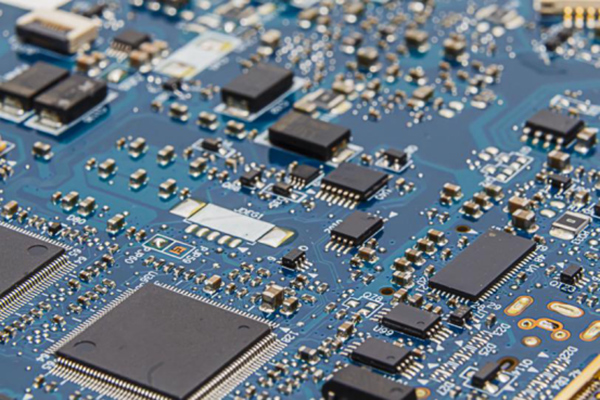
Manufacturers incorporate it into printed circuit boards, insulation tapes, cable wrapping, transformer insulation systems, and motor components. In high-voltage environments, the material helps prevent electrical leakage, arcing, and short circuits, thereby improving safety and reliability.
As electronic devices become more compact yet more powerful, thermal management becomes increasingly important. Q Glass Cloth assists in dissipating heat while protecting surrounding components, enabling miniaturization without sacrificing performance.
Industrial Thermal Insulation
Heavy industrial facilities such as steel plants, refineries, and power stations generate intense heat during operation. Effective insulation is crucial for energy efficiency, equipment protection, and worker safety. Q Glass Cloth is widely used to produce thermal blankets, furnace linings, expansion joint covers, and removable insulation systems.
Its ability to withstand continuous high temperatures without degradation makes it suitable for long-term use in harsh environments. The material also tolerates rapid temperature fluctuations, reducing the risk of cracking or structural failure caused by thermal shock.
By improving heat retention and reducing energy loss, Q Glass Cloth contributes to lower operating costs and decreased environmental impact.
Automotive Manufacturing
The automotive sector increasingly relies on advanced materials to enhance performance, safety, and fuel efficiency. Q Glass Cloth is used in heat shields, exhaust insulation systems, fire barriers, and composite structural components.
In electric vehicles, battery systems generate significant heat and require robust thermal management solutions. Q Glass Cloth provides insulation and fire resistance that help protect battery packs and passenger compartments. Its lightweight properties also support improved vehicle efficiency and extended driving range.
Additionally, the material contributes to noise reduction and vibration damping in certain applications, improving overall vehicle comfort.
Marine and Offshore Applications
Marine environments are highly corrosive due to constant exposure to saltwater, humidity, and temperature variations. Materials used in this sector must maintain structural integrity despite these challenges. Q Glass Cloth performs well because it resists corrosion, moisture absorption, and biological degradation.
It is commonly applied in boat hull reinforcement, insulation panels, fire-resistant bulkheads, and protective coatings. Offshore oil and gas platforms also utilize the material for thermal insulation and safety systems where reliability is critical.
Because it maintains strength even in wet conditions, Q Glass Cloth helps extend the lifespan of marine structures and reduces maintenance frequency.
Construction and Infrastructure
In modern construction projects, durability, fire safety, and energy efficiency are key considerations. Q Glass Cloth contributes to these goals through its use in fire protection systems, structural reinforcement materials, roofing membranes, and insulation products.
Fire-resistant wraps and wall coverings made from this material can slow flame propagation, providing valuable time for evacuation and emergency response. It is also used to reinforce concrete, plaster, and composite panels, improving tensile strength and resistance to cracking.
As urbanization accelerates and building regulations become more stringent, materials that enhance safety while supporting sustainable construction practices are increasingly valuable.
Chemical Processing Industry
Chemical manufacturing facilities handle aggressive substances that can degrade conventional materials. Q Glass Cloth offers strong resistance to many acids, alkalis, solvents, and corrosive atmospheres, making it suitable for protective linings and reinforcement applications.
It is frequently used in the construction of storage tanks, pipelines, filtration systems, and safety barriers. By reinforcing equipment that handles hazardous chemicals, the material helps prevent leaks, structural failure, and contamination.
Its chemical inertness is particularly important in industries such as pharmaceuticals and specialty chemicals, where product purity must be maintained.
Renewable Energy Systems
The global transition toward renewable energy requires materials capable of withstanding long-term environmental exposure while maintaining structural performance. Q Glass Cloth plays a significant role in wind energy, solar power, and energy storage technologies.
Wind turbine blades rely on composite materials that combine high strength with low weight. Reinforcement using Q Glass Cloth improves durability while minimizing structural mass. In solar installations, the material contributes to insulation layers and protective backings that enhance system longevity.
Its resistance to ultraviolet radiation, temperature extremes, and weathering makes it suitable for outdoor applications that must perform reliably for decades.
Defense and Protective Equipment
Defense and safety applications demand materials that can operate under extreme conditions without failure. Q Glass Cloth is used in fire-resistant barriers, thermal protection systems, protective enclosures, and specialized equipment components.
While it is not typically a standalone ballistic material, it strengthens composite armor systems by providing structural support and heat resistance. It is also incorporated into protective clothing for firefighters and industrial workers exposed to high temperatures and flames.
Reliability under critical conditions makes this material highly valuable in emergency response and defense sectors.
Future Outlook of Q Glass Cloth in Industry
As technological systems become more complex and performance requirements increase, demand for advanced materials like Q Glass Cloth is expected to grow. Ongoing research focuses on improving strength-to-weight ratios, environmental resistance, and recyclability.
Manufacturers are also developing more sustainable production methods to reduce environmental impact throughout the material’s lifecycle. With expanding applications in electric mobility, renewable infrastructure, and high-tech manufacturing, Q Glass Cloth is likely to remain a foundational material in modern industry.
Q Glass Cloth has evolved into a multi-purpose engineering material that supports a wide range of high-performance applications. Its unique combination of thermal resistance, electrical insulation, mechanical strength, and chemical stability allows it to perform reliably in environments where traditional materials fall short.
From aerospace and electronics to construction and renewable energy, its role continues to expand as industries pursue safer, lighter, and more durable solutions. Organizations seeking long-term reliability and efficiency increasingly rely on Q Glass Cloth as a key component in advanced industrial systems.
Mar-24-2026