


Quartz rovings are continuous strands of high-purity silica fibers, carefully processed to provide exceptional strength, thermal stability, and chemical resistance. Unlike other fibers, quartz rovings maintain their structural integrity under extreme temperatures and harsh environments, making them an essential material in modern industrial applications.
These fibers exhibit excellent dimensional stability, low thermal expansion, and high electrical insulation properties. Their ability to resist corrosion and chemical degradation makes them suitable for demanding sectors such as aerospace, electronics, energy, and composites manufacturing. The combination of durability, lightweight properties, and thermal performance positions quartz rovings as a versatile industrial solution.
Aerospace Applications
In the aerospace sector, quartz rovings play a vital role in composite materials used in aircraft structures and thermal protection systems. Their lightweight and high-strength characteristics contribute to improved fuel efficiency and structural performance. Additionally, quartz rovings provide excellent thermal stability, protecting sensitive components from extreme temperatures encountered at high altitudes or during re-entry procedures.
Radomes, antennas, and other critical aerospace components benefit from the low dielectric properties of quartz rovings, which ensure minimal signal interference and consistent performance under variable conditions. By integrating quartz rovings into advanced composites, aerospace engineers can achieve superior material performance while reducing overall aircraft weight.

Electronics and Electrical Applications
Quartz rovings are extensively used in the electronics industry, particularly for insulation and reinforcement in high-frequency and high-temperature applications. Their low dielectric constant and excellent heat resistance make them ideal for printed circuit boards, high-performance cables, and other electrical components requiring stability and reliability.
In addition to insulation, quartz rovings reinforce composite substrates, improving mechanical strength while maintaining electrical integrity. These properties enable the production of advanced electronics capable of operating under demanding thermal and electrical conditions, which is increasingly important in modern high-tech devices.
Energy and Power Industry Applications
The energy sector benefits from quartz rovings in multiple ways. They are employed in insulation systems for power generation equipment, including transformers, turbines, and high-voltage systems. Quartz rovings’ thermal and chemical resistance ensures that these components can operate efficiently under high-stress conditions, minimizing maintenance requirements and extending operational lifespan.
In renewable energy applications, such as wind turbines and solar power systems, quartz rovings contribute to lightweight yet strong composite materials for blades and structural supports. These composites enhance energy efficiency and durability, critical for reliable long-term performance in harsh environmental conditions.
Composite Manufacturing Applications
Quartz rovings are widely integrated into various composite materials, including polymer, ceramic, and metal matrix composites. They provide reinforcement, thermal stability, and dimensional control, improving the mechanical performance of the final product. Industries such as automotive, construction, and industrial machinery utilize quartz rovings to enhance product strength, heat resistance, and durability.
In advanced manufacturing, quartz rovings enable the production of lightweight, high-strength components that meet stringent safety and performance standards. Their use allows designers to achieve innovative structures while maintaining consistent quality and reliability.
Advantages in Industrial Processes
Using quartz rovings in industrial processes offers multiple operational advantages:
-
Enhanced Thermal Resistance: Components reinforced with quartz rovings can withstand high temperatures without structural degradation.
-
Improved Mechanical Strength: Continuous fibers provide uniform load distribution, reducing material failure.
-
Chemical Stability: Quartz rovings resist corrosion, oxidation, and other chemical attacks, extending service life.
-
Electrical Insulation: Low dielectric properties make them ideal for electrical applications where insulation and signal integrity are critical.
-
Lightweight and Durable: Their low density helps reduce overall product weight while maintaining strength, beneficial in aerospace, automotive, and renewable energy applications.
Best Practices for Implementation
To maximize the benefits of quartz rovings, careful consideration should be given to material selection, processing techniques, and integration methods. Fiber alignment, resin compatibility, and curing processes significantly affect final composite performance. Proper handling and storage are also essential to prevent contamination and maintain fiber integrity.
Industries should ensure that design engineers, material scientists, and production teams collaborate closely to achieve optimal integration of quartz rovings. This approach ensures both performance efficiency and operational reliability.
Future Trends and Innovation Potential
Ongoing research in material science is expanding the potential of quartz rovings. Nanotechnology, hybrid composites, and enhanced processing methods promise to further improve strength, flexibility, and thermal performance. As industrial demands increase for lighter, stronger, and more durable materials, quartz rovings are positioned to meet these evolving requirements.
Emerging applications in aerospace, renewable energy, electronics, and advanced manufacturing will continue to rely on the unique properties of quartz rovings. Investment in research and development will likely unlock even more innovative uses in the coming years.
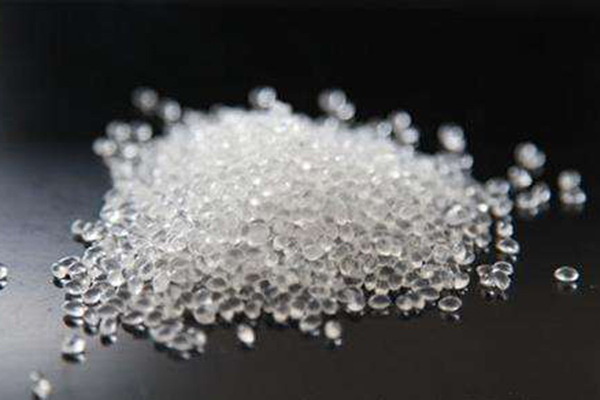
Quartz rovings are a critical material in modern industries due to their high strength, thermal stability, chemical resistance, and electrical insulation properties. Their applications span aerospace, electronics, energy, and composite manufacturing, providing essential benefits in performance, efficiency, and durability.
By adopting best practices for selection and integration, industries can leverage quartz rovings to enhance product quality, extend equipment lifespan, and improve operational efficiency. As technological demands continue to grow, quartz rovings remain a versatile and reliable material for the next generation of industrial applications.
Mar-18-2026