


Quartz wool, a high-performance material composed of fine, high-purity quartz fibers, has become a cornerstone in modern industrial applications. Its unique combination of thermal insulation, chemical resistance, mechanical strength, and dimensional stability makes it invaluable across a wide range of sectors. From high-temperature processing to advanced composite manufacturing, quartz wool continues to play a crucial role in enhancing operational efficiency, safety, and product quality.
Understanding Quartz Wool
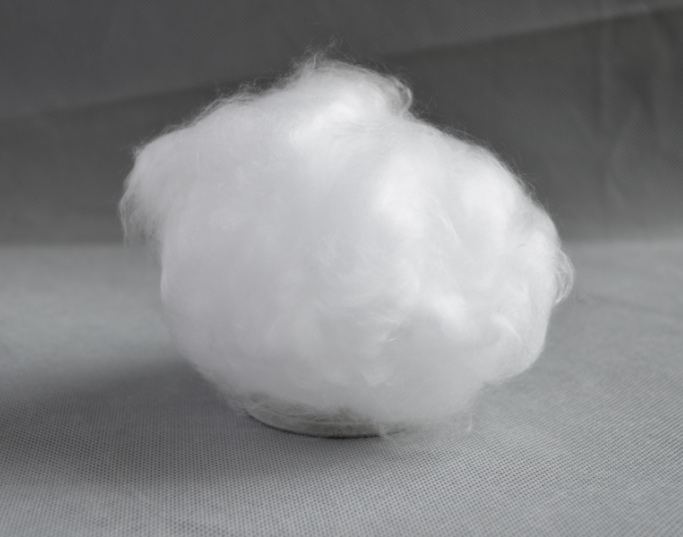
Quartz wool is produced by melting high-purity quartz and spinning it into fine fibers. The resulting wool exhibits uniform fiber distribution, high tensile strength, and exceptional thermal resistance. Lightweight yet robust, quartz wool is chemically inert and exhibits minimal thermal expansion, making it suitable for demanding industrial conditions.
Its flexibility and resilience allow it to conform to complex geometries while maintaining consistent performance, whether used as insulation, reinforcement, or protective layers. These properties make quartz wool an ideal material for engineers and manufacturers seeking reliable solutions in modern industry.
Thermal Insulation in High-Temperature Applications
One of the primary applications of quartz wool is high-temperature insulation. Its low thermal conductivity allows for efficient heat retention in furnaces, kilns, reactors, and industrial ovens. Quartz wool minimizes energy loss, providing consistent temperature control critical for process stability and product quality.
Industries such as metallurgy, ceramics, and chemical processing benefit from quartz wool insulation, as it ensures operational efficiency while supporting sustainable energy practices. Its resistance to thermal cycling ensures durability and long-term performance under fluctuating temperatures.
Protective Barriers and Fire Resistance
Quartz wool is also widely used as a protective barrier against heat and fire. Its ability to withstand extremely high temperatures without degrading makes it suitable for fireproofing applications in industrial facilities, laboratories, and transportation.
Additionally, quartz wool’s chemical inertness provides added protection against corrosive environments. It can be used to shield sensitive equipment, pipelines, and structural components from both heat and chemical exposure, ensuring safe and reliable operation in demanding industrial settings.
Reinforcement in Composite Materials
In advanced composites, quartz wool serves as a reinforcement material to enhance mechanical strength, thermal stability, and dimensional accuracy. Its fine fibers integrate seamlessly into polymer, ceramic, and resin-based composites, improving rigidity and reducing thermal expansion.
Aerospace, automotive, and electronics industries leverage quartz wool in composites for lightweight, high-strength components that maintain stability under stress and temperature variations. This integration contributes to the production of durable, high-performance materials suitable for complex engineering applications.
Energy Efficiency and Industrial Sustainability
Quartz wool supports energy efficiency initiatives across various sectors. Its insulating properties reduce heat loss in industrial systems, lowering energy consumption and operational costs. By maintaining stable temperatures in furnaces and reactors, it minimizes waste and improves process consistency.
Sustainability-conscious industries increasingly adopt quartz wool to reduce their environmental footprint. Its long service life, combined with energy-saving performance, positions it as a key material for eco-friendly industrial operations.
Precision Laboratory Applications
Quartz wool’s thermal and chemical stability also makes it ideal for laboratory settings. It is used in high-temperature experiments, chemical reaction control, and analytical instrumentation. Its inert nature ensures that experimental conditions remain uncontaminated, and its dimensional stability supports precise thermal management.
Laboratories benefit from quartz wool in applications requiring repeatable and controlled heating, such as thermal analysis, synthesis processes, and material testing, ensuring reliable and accurate results.
Acoustic and Vibration Dampening
In addition to thermal and mechanical applications, quartz wool can be employed for acoustic insulation and vibration dampening. Its fibrous structure absorbs sound energy and reduces mechanical vibrations, making it valuable in industrial machinery, electronic enclosures, and sensitive equipment installations.
This multifunctional characteristic allows quartz wool to contribute to safer and quieter working environments, enhancing both operational reliability and employee comfort.
Handling, Storage, and Safety Considerations
Maintaining the quality of quartz wool requires proper handling and storage:
-
Store in clean, dry environments, protected from moisture and contaminants.
-
Avoid compressing fibers excessively to maintain insulation efficiency.
-
Handle with care to prevent fiber damage and ensure consistent performance.
-
Use protective equipment when shaping or cutting fibers to prevent inhalation and skin irritation.
Following these guidelines ensures optimal performance and longevity of quartz wool in industrial applications.
Quality Assurance and Testing
Consistent performance is critical for quartz wool applications. Key tests include fiber diameter uniformity, thermal conductivity, tensile strength, and chemical resistance. Documenting quality and maintaining certifications supports compliance with industry standards and reinforces material reliability.
Routine inspections and quality checks during production or installation help maintain consistency, reduce downtime, and safeguard high-value industrial assets.
Future Trends and Innovations
Research and innovation in quartz wool production continue to expand its potential applications. Improvements in fiber uniformity, thermal performance, and composite integration allow engineers to achieve higher performance in sectors such as aerospace, electronics, and renewable energy.
Emerging applications focus on lightweight, energy-efficient solutions, precise thermal management, and multifunctional composite materials. These advancements underscore quartz wool’s enduring value as an adaptable, high-performance industrial material.

Quartz wool offers unmatched versatility in modern industries, providing thermal insulation, chemical resistance, mechanical strength, and acoustic benefits. Its applications span high-temperature processing, composite reinforcement, protective barriers, laboratory instrumentation, and energy-efficient industrial systems.
By understanding the technical characteristics, handling requirements, and integration strategies of quartz wool, professionals can maximize operational efficiency, ensure product quality, and support sustainable practices. From manufacturing plants to research laboratories, quartz wool continues to deliver measurable value, reinforcing its role as a vital material in contemporary industrial operations.
Mar-17-2026