


As electronic devices continue to become smaller, faster, and more powerful, the demand for advanced printed circuit board materials is increasing rapidly. Modern industries such as consumer electronics, automotive systems, aerospace engineering, telecommunications, medical devices, and high-speed computing all require compact PCB designs capable of supporting high-density circuits and reliable signal transmission. In this evolving landscape, ultra-thin Q-glass cloth has emerged as an important reinforcement material for advanced PCB manufacturing.
Ultra-thin Q-glass cloth is widely recognized for its excellent dielectric performance, dimensional stability, lightweight structure, and compatibility with high-frequency PCB applications. Compared with conventional glass fiber materials, Q-glass cloth offers lower dielectric constant and lower dielectric loss, making it highly suitable for next-generation electronic products where signal integrity and miniaturization are critical.
As PCB technology advances toward thinner laminates, finer circuit patterns, and multilayer board structures, manufacturers increasingly rely on ultra-thin Q-glass cloth to achieve compact designs without compromising performance or reliability. This article explores the characteristics, manufacturing advantages, performance benefits, and applications of ultra-thin Q-glass cloth in compact PCB design.
Understanding Ultra-Thin Q-Glass Cloth in PCB Manufacturing
Ultra-thin Q-glass cloth is a specialized woven fiberglass reinforcement material designed for high-performance copper clad laminates and advanced PCB substrates. It is produced using extremely fine glass yarns that create a lightweight and thin reinforcement layer while maintaining excellent mechanical stability.
The primary purpose of Q-glass cloth in PCB manufacturing is to reinforce resin systems and improve the structural integrity of multilayer boards. Its low dielectric properties make it especially valuable in high-frequency and high-speed electronic applications.
Compared with traditional E-glass materials, ultra-thin Q-glass cloth provides several important advantages:
| Material Property | Ultra-Thin Q-Glass Cloth | Traditional E-Glass Cloth |
|---|---|---|
| Dielectric Constant | Lower | Higher |
| Dielectric Loss | Lower | Higher |
| Thickness | Ultra-thin | Standard |
| Signal Integrity | Excellent | Moderate |
| Weight | Lightweight | Heavier |
| Dimensional Stability | High | Good |
| High Frequency Compatibility | Excellent | Limited |
Because modern PCBs often require high circuit density and reduced board thickness, ultra-thin Q-glass cloth has become increasingly important for advanced electronic designs.
Key Performance Advantages for Compact PCB Design
One of the most significant reasons manufacturers use ultra-thin Q-glass cloth is its ability to support compact PCB structures while maintaining reliable electrical and mechanical performance.
The reduced thickness of the material enables PCB designers to produce thinner multilayer boards. This is particularly important for devices such as smartphones, tablets, wearable electronics, and compact communication modules where space optimization is essential.
The low dielectric constant of Q-glass cloth helps reduce signal delay and improve transmission speed. In high-speed digital circuits and RF applications, minimizing signal loss is critical for maintaining stable system performance.
Major performance advantages include:
| Performance Benefit | Impact on PCB Design |
|---|---|
| Reduced Material Thickness | Enables compact board structures |
| Low Dielectric Constant | Improves signal transmission |
| Low Dielectric Loss | Reduces signal attenuation |
| Excellent Dimensional Stability | Enhances manufacturing precision |
| High Thermal Resistance | Supports demanding operating conditions |
| Lightweight Construction | Reduces overall device weight |
These properties make ultra-thin Q-glass cloth highly suitable for next-generation electronics that demand both miniaturization and high reliability.
Importance in High-Speed and High-Frequency Applications
High-speed and high-frequency electronic systems require PCB materials with stable dielectric performance. Signal degradation, electromagnetic interference, and transmission loss become more critical as operating frequencies increase.
Ultra-thin Q-glass cloth helps address these challenges by providing low dielectric loss characteristics that improve signal integrity across complex PCB structures.
Applications that benefit from this material include:
| Industry Application | PCB Performance Requirement |
|---|---|
| 5G Communication Equipment | High-frequency signal stability |
| Data Centers | High-speed transmission |
| Automotive Radar Systems | Reliable RF performance |
| Aerospace Electronics | Lightweight and stable materials |
| Medical Electronics | Precision signal control |
| AI Computing Hardware | High-density PCB integration |
As frequencies continue to rise in modern electronics, material selection becomes increasingly important. Ultra-thin Q-glass cloth provides manufacturers with an effective solution for maintaining stable electrical performance in compact environments.
Manufacturing Benefits and Processing Advantages
In addition to electrical performance improvements, ultra-thin Q-glass cloth also provides significant manufacturing advantages during PCB production.
Its lightweight woven structure improves resin penetration and laminate uniformity. Better resin distribution helps reduce void formation and improves overall board consistency.
The thin profile of the material also supports advanced multilayer PCB manufacturing by enabling tighter layer stacking and finer circuit patterns.
Important manufacturing benefits include:
| Manufacturing Advantage | Benefit |
|---|---|
| Improved Resin Compatibility | Better laminate quality |
| Reduced Board Thickness | Supports miniaturization |
| Enhanced Layer Uniformity | Improves PCB consistency |
| Stable Mechanical Properties | Reduces warpage |
| Fine Weave Structure | Supports precision circuitry |
Manufacturers producing ultra-thin flexible devices and compact electronics often rely on these processing advantages to improve product quality and production efficiency.
Thermal Stability and Reliability in Advanced Electronics
Thermal management is another critical factor in modern PCB design. As electronic devices become more powerful and compact, heat generation increases significantly.
Ultra-thin Q-glass cloth offers strong thermal resistance and dimensional stability under elevated temperatures. This helps maintain PCB reliability during soldering processes, thermal cycling, and long-term device operation.
Reliable thermal performance is especially important for industries where electronic failure can result in safety risks or operational downtime.
Key reliability advantages include:
| Reliability Feature | Performance Benefit |
|---|---|
| High Thermal Stability | Maintains structural integrity |
| Low Thermal Expansion | Reduces stress during heating |
| Stable Electrical Properties | Consistent high-frequency performance |
| Mechanical Strength | Supports multilayer structures |
| Moisture Resistance | Improves environmental durability |
These characteristics help manufacturers produce PCBs capable of meeting strict performance and durability requirements.
Role in Miniaturization and Lightweight Electronics
The electronics industry continues moving toward smaller and lighter products. Compact PCB designs are essential for enabling this trend, particularly in portable and wearable technologies.
Ultra-thin Q-glass cloth contributes directly to miniaturization by reducing reinforcement thickness while maintaining mechanical support.
Examples of compact electronic products that benefit from ultra-thin PCB materials include:
| Product Type | Miniaturization Requirement |
|---|---|
| Smartphones | Thin multilayer PCBs |
| Smartwatches | Lightweight circuit structures |
| Wireless Earbuds | Compact component integration |
| Drones | Weight reduction |
| Portable Medical Devices | Small and reliable electronics |
| IoT Sensors | Space-efficient PCB layouts |
As consumer expectations for thinner and more powerful devices continue to rise, advanced reinforcement materials like ultra-thin Q-glass cloth will remain highly important.
Future Trends and Industry Development
The future of PCB manufacturing is closely connected to advancements in material science. Emerging technologies such as artificial intelligence systems, autonomous vehicles, advanced communication networks, and high-performance computing all require improved PCB materials capable of supporting higher speeds and greater circuit density.
Ultra-thin Q-glass cloth is expected to play an increasingly important role in these developments because of its combination of electrical performance, lightweight structure, and manufacturing compatibility.
Future industry trends may include:
| Industry Trend | Material Demand |
|---|---|
| Higher Data Transmission Speeds | Lower dielectric materials |
| Increased Device Miniaturization | Ultra-thin reinforcement materials |
| Advanced Multilayer PCBs | Stable woven structures |
| Flexible Electronics Growth | Lightweight PCB substrates |
| 6G Communication Development | High-frequency compatibility |
As manufacturers continue pushing the limits of PCB technology, advanced fiberglass reinforcement materials will remain essential for achieving reliable performance in compact electronic systems.
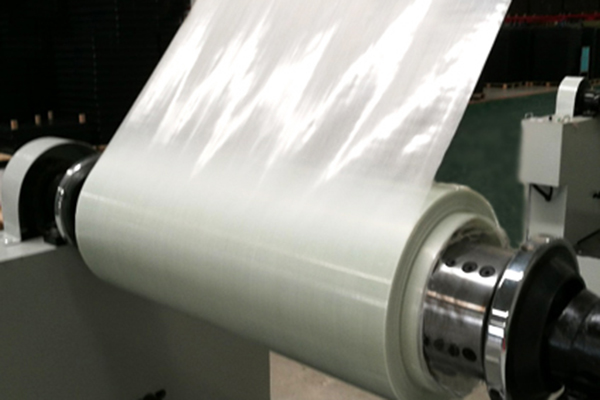
Ultra-thin Q-glass cloth has become an essential material in modern compact PCB design due to its low dielectric properties, lightweight structure, thermal stability, and compatibility with high-frequency applications. As electronic products continue becoming thinner, smaller, and more powerful, the demand for advanced reinforcement materials continues to grow.
Its ability to support miniaturization while maintaining signal integrity and manufacturing precision makes ultra-thin Q-glass cloth highly valuable across industries including telecommunications, automotive electronics, aerospace systems, medical devices, and consumer electronics.
With ongoing advancements in high-speed communication, AI computing, and portable electronics, ultra-thin Q-glass cloth is expected to remain a key material for next-generation PCB manufacturing and advanced electronic innovation.
May-07-2026