


Flexible electronics are reshaping how devices are designed, manufactured, and used across industries. From wearable health monitors to foldable displays and advanced sensors, the demand for materials that combine flexibility, strength, and electrical performance has never been higher. Among these materials, ultra-thin Q-glass cloth has emerged as a critical enabler, offering a unique balance of mechanical durability and superior dielectric properties.
Understanding how ultra-thin Q-glass cloth functions and when it should be used in flexible electronics is essential for engineers and product developers aiming to build reliable, high-performance systems.
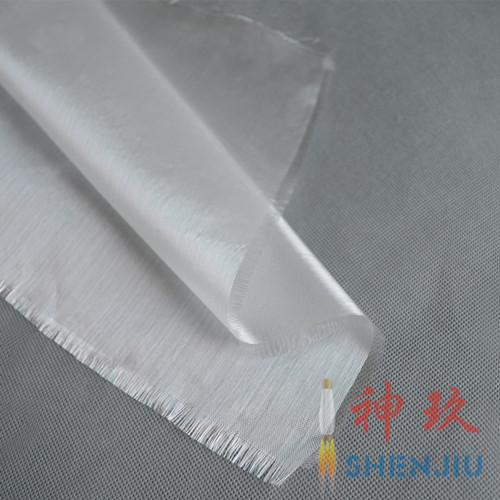
What Is Ultra-Thin Q-Glass Cloth
Ultra-thin Q-glass cloth is a woven fabric made from quartz-based fibers engineered to achieve extremely low thickness while maintaining structural integrity. Unlike traditional fiberglass materials, Q-glass is designed for advanced electronic applications where signal performance and thermal stability are critical.
Its ultra-thin profile allows it to be integrated into compact and flexible circuit designs without adding significant bulk. At the same time, it retains the key advantages of quartz fibers, including low dielectric constant, low signal loss, and excellent resistance to temperature variations.
This combination makes it particularly suitable for next-generation electronics where both electrical performance and physical adaptability are required.
Why Flexible Electronics Require Advanced Materials
Flexible electronics differ significantly from traditional rigid circuit boards. They must withstand bending, twisting, and repeated mechanical stress while continuing to function reliably.
Standard materials often struggle in these conditions because they are either too rigid or lack the necessary electrical stability. As devices become thinner and more complex, even small material limitations can lead to performance issues.
Ultra-thin Q-glass cloth addresses these challenges by providing a stable substrate that supports both mechanical flexibility and high-frequency signal transmission. This dual capability is essential for maintaining performance in dynamic environments.
Key Electrical Advantages in High-Performance Applications
One of the main reasons ultra-thin Q-glass cloth is used in flexible electronics is its excellent electrical performance. Its low dielectric constant helps reduce signal delay, which is crucial in high-speed circuits.
In addition, the material exhibits minimal dielectric loss, ensuring that signals maintain their strength over longer distances. This is particularly important in applications such as high-frequency communication modules and precision sensors.
The uniform fiber structure of Q-glass cloth also contributes to consistent electrical behavior, allowing engineers to design circuits with predictable performance characteristics.
Mechanical Flexibility and Durability
Despite its name, Q-glass cloth is not inherently brittle when engineered into ultra-thin forms. Instead, it can be integrated into composite structures that support flexibility without compromising strength.
This makes it suitable for applications where repeated bending is expected, such as wearable devices or foldable electronics. The material helps maintain structural integrity, reducing the risk of cracks or delamination over time.
Its resistance to mechanical fatigue also contributes to longer product lifespans, which is a key consideration in consumer and industrial applications alike.
Thermal Stability in Compact Designs
Flexible electronic devices often operate in environments where temperature fluctuations are common. Ultra-thin Q-glass cloth offers excellent thermal stability, maintaining its properties even under elevated temperatures.
This stability is critical in preventing expansion or deformation that could affect circuit performance. In compact designs, where components are closely packed, managing thermal stress becomes even more important.
By using Q-glass cloth, designers can reduce the risk of thermal-related failures and ensure consistent operation over a wide temperature range.
Applications in Wearable and Foldable Devices
Wearable technology is one of the fastest-growing segments in electronics, and it places unique demands on materials. Devices must be lightweight, comfortable, and capable of continuous operation under movement.
Ultra-thin Q-glass cloth provides the necessary balance of flexibility and performance for these applications. It supports the integration of sensors, antennas, and circuits into compact, flexible formats.
Similarly, foldable devices such as smartphones and displays benefit from materials that can endure repeated bending. Q-glass cloth helps maintain signal integrity and structural stability in these designs.
Role in High-Density and Miniaturized Circuits
As electronic components become smaller, circuit density continues to increase. Ultra-thin materials are essential for enabling this level of miniaturization.
Q-glass cloth allows for thinner layers in multilayer circuit designs, improving space efficiency without sacrificing performance. Its dimensional stability ensures precise alignment between layers, which is critical in high-density interconnect designs.
This makes it a valuable material for advanced applications where space is limited and performance requirements are high.
Comparison with Conventional Flexible Substrates
When evaluating materials for flexible electronics, it is useful to compare ultra-thin Q-glass cloth with more conventional options.
| Property | Ultra-Thin Q-Glass Cloth | Standard Polyimide Film | Traditional Fiberglass |
|---|---|---|---|
| Thickness | Extremely thin | Thin | Moderate |
| Flexibility | High (in composite use) | Very high | Low |
| Dielectric Constant | Very low | Moderate | Higher |
| Signal Loss | Minimal | Moderate | Higher |
| Thermal Stability | Excellent | Very good | Good |
| Application Level | High-performance electronics | General flexible circuits | Rigid boards |
Ultra-thin Q-glass cloth stands out in applications where electrical performance and thermal stability are critical, even if it requires more advanced processing techniques.
Manufacturing Considerations and Integration
Integrating ultra-thin Q-glass cloth into flexible electronics requires careful attention to manufacturing processes. Its thin structure demands precise handling to avoid damage during fabrication.
Compatibility with resins, adhesives, and conductive layers must be ensured to achieve optimal performance. Advanced lamination and curing techniques are often used to create stable composite structures.
Working with experienced manufacturers can help address these challenges and ensure that the material’s benefits are fully realized in the final product.
Future Trends and Industry Outlook
The role of ultra-thin Q-glass cloth in flexible electronics is expected to grow as devices continue to evolve. Emerging technologies such as smart textiles, biomedical sensors, and advanced communication systems are driving demand for materials that combine flexibility with high performance.
As manufacturing techniques improve, the cost and accessibility of Q-glass materials are likely to become more favorable, further expanding their adoption.
Engineers who understand how to leverage these materials will be better positioned to develop innovative solutions in a rapidly changing technological landscape.
Ultra-thin Q-glass cloth represents a significant advancement in materials for flexible electronics. Its combination of low dielectric constant, excellent thermal stability, and mechanical durability makes it an ideal choice for high-performance applications.
While it may not be necessary for every design, its advantages become clear in demanding environments where reliability and precision are essential. By incorporating ultra-thin Q-glass cloth into their designs, engineers can achieve better performance, longer lifespan, and greater innovation in flexible electronic systems.
Apr-20-2026