


As electronic devices continue to shrink in size while increasing in performance, high-density circuits have become the foundation of modern technology. From advanced processors to compact communication modules, these systems require materials that deliver precision, stability, and efficiency at microscopic scales. Ultra-thin Q-glass cloth has emerged as a key material enabling these advancements, offering a unique balance of electrical performance, mechanical strength, and dimensional stability.
What Is Ultra-Thin Q-Glass Cloth
Ultra-thin Q-glass cloth is a finely woven fabric made from high-purity glass fibers, engineered specifically for advanced electronic applications. The “ultra-thin” designation refers to its reduced thickness, which allows for tighter layering and higher circuit density without compromising performance.
The cloth is produced using precision weaving techniques that ensure uniform fiber distribution and consistent thickness. This structure provides a reliable foundation for circuit substrates, particularly in applications where space constraints and signal performance are critical.
The Role of Materials in High-Density Circuits
High-density circuits involve closely packed conductive pathways and components. As circuit density increases, the choice of substrate and reinforcement materials becomes increasingly important. Materials must support fine line patterns, maintain stability during thermal cycling, and minimize electrical interference.
Ultra-thin Q-glass cloth addresses these requirements by providing a stable and uniform base for circuit fabrication. Its properties help ensure accurate signal transmission and long-term reliability in compact electronic systems.
Thickness Reduction and Its Impact on Design
Reducing material thickness is essential for achieving higher circuit density. Ultra-thin Q-glass cloth enables manufacturers to create thinner laminates, allowing for more layers within a limited space.
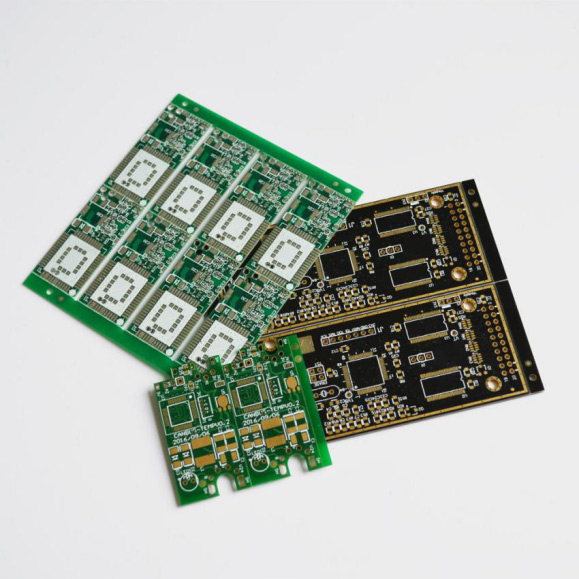
This capability supports the development of multilayer printed circuit boards with enhanced functionality. By optimizing layer stacking and reducing overall thickness, engineers can design smaller and more powerful electronic devices.
Electrical Performance and Signal Integrity
Signal integrity is a critical factor in high-density circuits, particularly at high frequencies. Ultra-thin Q-glass cloth offers stable dielectric properties that help maintain consistent signal transmission.
Its low dielectric constant reduces signal delay, while its uniform structure minimizes variations that could lead to signal distortion. These characteristics are essential for applications such as high-speed data processing and advanced communication systems.
Dimensional Stability and Precision Manufacturing
Precision is fundamental in the production of high-density circuits. Even minor dimensional changes can affect circuit alignment and performance. Ultra-thin Q-glass cloth provides excellent dimensional stability, maintaining its shape and size under varying temperature and humidity conditions.
This stability supports accurate fabrication processes, including photolithography and etching. As a result, manufacturers can achieve tighter tolerances and improved product consistency.
Thermal Resistance and Reliability
High-density circuits generate heat due to increased power density and component activity. Materials used in these systems must withstand thermal stress while maintaining performance.
Ultra-thin Q-glass cloth offers reliable thermal resistance, ensuring that it retains its structural and electrical properties under elevated temperatures. This contributes to the overall reliability and longevity of electronic devices.
Mechanical Strength in Compact Structures
Despite its reduced thickness, ultra-thin Q-glass cloth provides strong mechanical support. Its woven structure distributes stress evenly, enhancing the durability of circuit boards.
This strength is particularly important in applications where devices are subject to mechanical stress, such as portable electronics and automotive systems. It ensures that circuits remain intact and functional over time.
Compatibility with Advanced Manufacturing Processes
Ultra-thin Q-glass cloth is designed to integrate seamlessly with modern manufacturing techniques. It is compatible with processes such as lamination, resin impregnation, and multilayer board fabrication.
Its uniform surface and fine structure allow for efficient resin distribution, improving bonding between layers. This compatibility enhances production efficiency and supports the development of complex circuit designs.
Applications in Modern Electronics
Ultra-thin Q-glass cloth is widely used in a variety of high-performance electronic applications. These include advanced computing systems, communication devices, and compact consumer electronics.
In each of these areas, the material contributes to improved performance, reduced size, and enhanced reliability. Its ability to support high-density circuit design makes it a valuable component in next-generation technologies.
Advantages in Multilayer PCB Design
Multilayer printed circuit boards are essential for modern electronics. Ultra-thin Q-glass cloth enables the creation of more layers within a given thickness, increasing functionality without expanding size.
This advantage allows designers to incorporate additional features and improve system performance. It also supports the trend toward miniaturization in electronic devices.
Sustainability and Material Efficiency
Efficiency in material use is an important consideration in electronics manufacturing. Ultra-thin Q-glass cloth contributes to sustainability by enabling thinner designs that require fewer raw materials.
Its durability also reduces the need for replacement, minimizing waste over time. Advances in production technology continue to improve resource efficiency and environmental performance.
Selecting the Right Ultra-Thin Q-Glass Cloth
Choosing the appropriate ultra-thin Q-glass cloth involves evaluating factors such as thickness, weave pattern, and compatibility with specific applications. High-quality materials ensure consistent performance and reliability.
Working with experienced suppliers provides access to technical expertise and tailored solutions. This helps manufacturers optimize their designs and achieve desired performance outcomes.
Future Trends in High-Density Circuit Materials
As electronic technology continues to evolve, the demand for advanced materials will grow. Ultra-thin Q-glass cloth is expected to play an increasingly important role in enabling higher circuit densities and improved performance.
Ongoing research focuses on further reducing thickness, enhancing dielectric properties, and improving manufacturing efficiency. These developments will support the next generation of electronic innovation.
Ultra-thin Q-glass cloth is a critical material for high-density circuits, offering a combination of electrical performance, mechanical strength, and dimensional stability. Its ability to support compact and efficient designs makes it essential for modern electronics.
By integrating ultra-thin Q-glass cloth into circuit manufacturing, engineers can achieve higher performance, improved reliability, and greater design flexibility. As technology advances, this material will continue to contribute to the evolution of high-density electronic systems.
Apr-25-2026